
What Is a Fulfillment Service? A Guide for Growing Stores

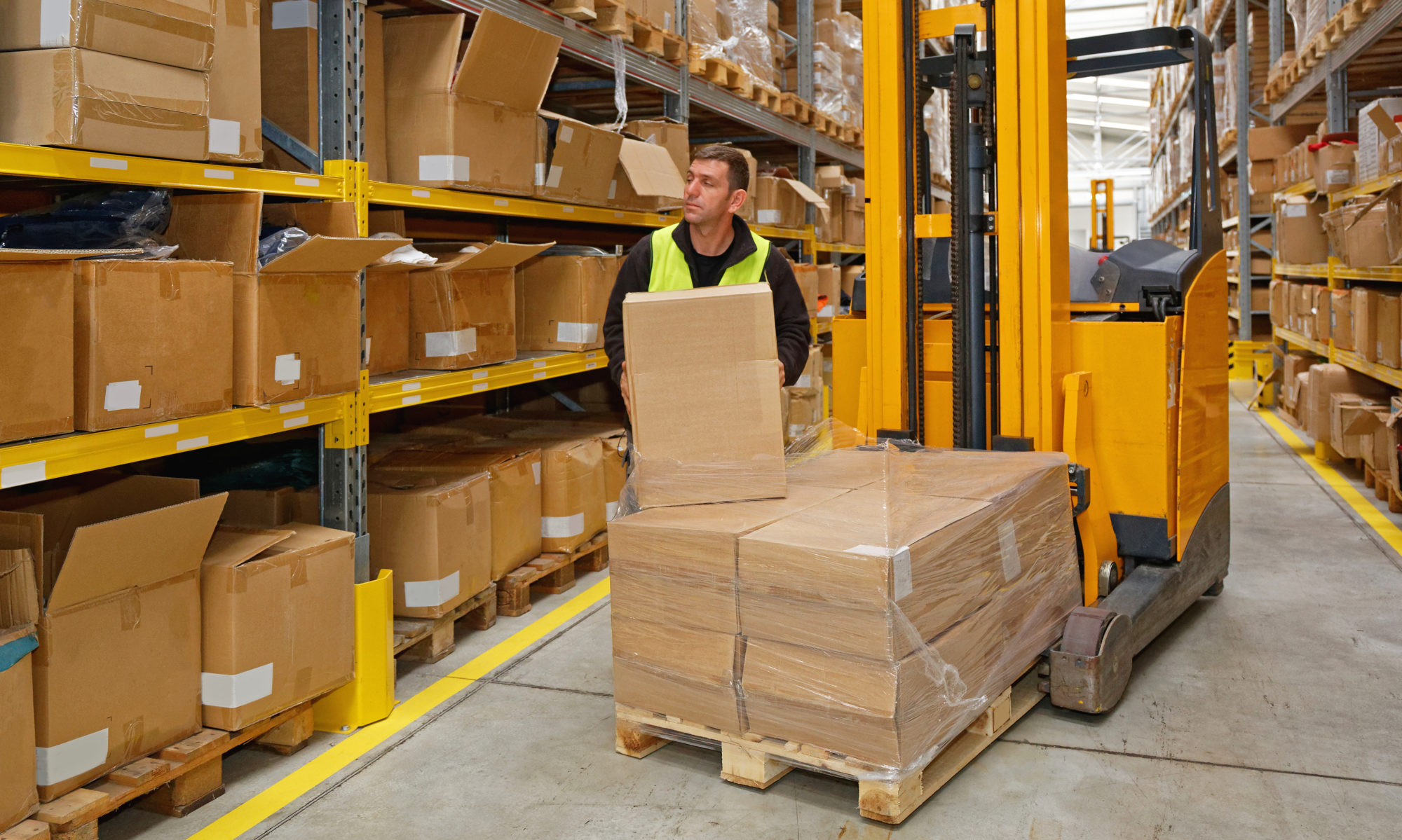
Medallion Warehouse Station for packing and shipping products

Running an eCommerce store often feels like juggling flaming swords. You have to handle marketing, website maintenance, product development, and customer service. Then, just when you think you have a handle on things, an order comes in. That should be a moment of celebration. Instead, it triggers a panic about cardboard boxes, packing tape, and rushing to the post office before it closes.

If this scenario sounds familiar, you are likely handling fulfillment yourself. While self-fulfillment works for hobbyists, it quickly becomes a bottleneck for growing businesses. This is where a fulfillment service steps in.

This guide will break down exactly what a fulfillment service is, how the process works behind the scenes, and why partnering with one is often the turning point for successful online brands.

Defining the Fulfillment Service

At its simplest level, a fulfillment service is a third-party company that stores your products, packs your orders, and ships them to your customers on your behalf. In the logistics industry, this is often referred to as Third-Party Logistics, or 3PL.

Think of a fulfillment center as your business’s backend warehouse and shipping department combined. instead of your garage or a rented storage unit, your inventory lives in a professional facility designed specifically for efficiency. When a customer buys something from your website, the order data flows directly to this facility. A team of professionals then picks the item off the shelf, packs it securely, and hands it off to a shipping carrier like UPS, FedEx, or USPS.

You sell the product; they do the heavy lifting to get it to the customer’s doorstep.

How the Fulfillment Process Actually Works

The concept sounds simple, but the machinery behind it is quite sophisticated. To understand the value, it helps to see the lifecycle of an order through the eyes of a fulfillment provider like Medallion Fulfillment & Logistics.

1. Receiving and Inventory Storage

Before any orders can be shipped, your products must arrive at the fulfillment center. This stage is called “receiving.” You send your inventory—whether it’s a few pallets or several truckloads—to the fulfillment warehouse.

The receiving team checks the shipment to ensure everything arrived safely and matches the packing list. Once verified, your items are scanned into an inventory management system and placed in designated storage locations. This might be on pallet racks for large items or in bins for smaller goods. You can usually view these inventory levels in real-time through a digital dashboard, so you always know what is in stock without having to count it yourself.

2. Order Processing

This is where the magic happens. When a customer places an order on your Shopify, WooCommerce, or Amazon store, that information is automatically transmitted to the fulfillment center’s warehouse management system (WMS).

This integration is crucial. It means you don’t have to email spreadsheets or manually enter addresses. The system verifies the address, checks stock levels, and generates a “pick list” for the warehouse staff.

3. Picking and Packing

A warehouse associate receives the pick list and locates your items within the facility. Professional fulfillment centers use optimized routes to ensure pickers aren’t wasting time walking back and forth unnecessarily.

Once the items are picked, they move to a packing station. Here, experts choose the right size box or mailer to minimize waste and reduce shipping costs. They add necessary dunnage (bubble wrap, air pillows, or kraft paper) to protect the product. If you have custom packaging requirements—like branded tissue paper or marketing inserts—this is where they are added to create a memorable unboxing experience.

4. Shipping

The packed box is sealed, weighed, and labeled. Because fulfillment services ship thousands of packages a day, they negotiate bulk shipping rates with major carriers. These savings are often passed on to you, meaning it’s frequently cheaper for a 3PL to ship your package than for you to do it yourself.

Carriers pick up the shipments daily. Tracking numbers are automatically sent back to your online store, which then emails the customer to let them know their package is on the way.

5. Returns Management (Reverse Logistics)

eCommerce returns are inevitable. A good fulfillment service handles this headache for you. Customers ship items back to the warehouse, where the team inspects them for damage. If the item is in sellable condition, it goes back into inventory. If not, it is disposed of according to your rules.

Why eCommerce Owners Need a Fulfillment Partner

You might be thinking, “I can pack boxes myself. Why should I pay someone else to do it?” That is a valid question for a brand new store. However, as you scale, the opportunity cost of packing your own boxes becomes massive.

Reclaiming Your Time

Every hour you spend taping boxes is an hour you are not spending on growth. You cannot build a marketing strategy, design new products, or negotiate with suppliers if you are buried in packing peanuts. Outsourcing fulfillment buys back your most valuable asset: time. It allows you to focus on working on your business rather than in your business.

Lowering Shipping Costs and Transit Times

Customers today expect Amazon-level speed and free shipping. Competing with that as a small business is tough.

Fulfillment centers often have strategic locations that allow them to reach the majority of customers within 1-2 days. Furthermore, their negotiated carrier rates can significantly lower your shipping spend. A solo merchant paying retail rates at the post office is at a severe disadvantage compared to a merchant using a 3PL’s bulk discounts.

Scaling Without Growing Pains

What happens if your product goes viral on TikTok tomorrow? If you get 500 orders overnight, can you physically pack them all in your living room?

Handling a sudden spike in sales is the downfall of many small businesses. They get the orders but fail to deliver them on time, leading to bad reviews and chargebacks. A fulfillment service is built for scalability. They have the staff and infrastructure to handle spikes in volume seamlessly. Whether you sell 10 products a day or 10,000, the process remains the same for you.

Professional Inventory Management

Losing track of stock leads to two expensive problems: overselling (selling items you don’t have) and dead stock (ordering items you don’t need). Fulfillment services provide sophisticated technology that tracks every SKU. You get data-driven insights on which products are moving fast and which are gathering dust, helping you make smarter purchasing decisions.

When Is the Right Time to Outsource?

There is no single rule, but there are clear signs that it is time to make the switch.

If your house is overflowing with boxes, your family is tired of helping you pack orders on weekends, or you find yourself dreading the “cha-ching” notification of a new sale because it means more work, it is time to look for a partner.

Additionally, if you want to expand internationally or offer 2-day shipping to compete with big box stores, you likely need the infrastructure of a professional logistics provider.

The Medallion Fulfillment & Logistics Difference

Choosing a fulfillment partner is like choosing a business partner. You need reliability, transparency, and communication.

At Medallion Fulfillment & Logistics, we don’t just move boxes; we help move businesses forward. We understand that we are the last touchpoint between you and your customer. When a package arrives on time and perfectly packed, your customer credits you, not us—and that is exactly how it should be.

We offer flexible solutions tailored to your specific needs, whether you are a startup looking to stabilize your operations or an established brand seeking better rates and service. Our technology integrates seamlessly with your store, giving you total visibility without the manual labor.

Ready to Stop Packing and Start Growing?

Don’t let logistics limit your potential. If you are ready to streamline your shipping, reduce your overhead, and delight your customers with faster delivery, it is time to talk to Medallion Fulfillment & Logistics.

Contact us today for a free consultation and quote. Let us handle the logistics so you can get back to building your empire.

5 Benefits to Hiring a Fulfillment Warehouse

Fulfillment Warehouse Worker

Managing a growing eCommerce business comes with its fair share of challenges. From packing and shipping to inventory management, it can quickly become overwhelming to handle all fulfillment tasks in-house. That’s where a fulfillment warehouse can be your best ally.

At Medallion Fulfillment, we specialize in helping eCommerce businesses thrive by streamlining their operations. But why should you consider partnering with a fulfillment company, and how can it benefit your business? Below, we’ll cover the top five reasons.

What is a Fulfillment Warehouse?

A fulfillment warehouse is an external facility that stores your inventory, picks and packs orders, and ensures your products are delivered to your customers as quickly and efficiently as possible. By outsourcing these tasks to professionals, businesses can save resources and focus on growth.

1. Cost Savings

Running an in-house fulfillment operation requires substantial investment in space, staff, equipment, and software. Not to mention, shipping and handling costs can add up fast without access to volume discounts.

Fulfillment companies like Medallion Fulfillment help you cut these costs by:

  • Offering shared resources (warehouse space, staffing, and more).
  • Providing access to discounted shipping rates through established relationships with carriers.
  • Eliminating the need to hire additional staff or lease extra warehouse space during peak seasons.

By outsourcing your eCommerce fulfillment, you only pay for the services you need, making it a cost-effective solution compared to managing it yourself.

2. Scalability

Growing pains are real for eCommerce businesses. Sudden sales spikes during the holidays or product launches can overwhelm in-house fulfillment teams. Conversely, slow seasons can leave you paying for unused resources.

A fulfillment warehouse allows you to scale up or down depending on your needs. Whether you’re experiencing a seasonal rush or expanding into new markets, Medallion Fulfillment ensures your operations stay smooth and flexible. With the ability to adjust quickly, your business can handle growth without missing a beat.

3. Time Savings

Order processing, inventory management, and shipping logistics can eat up hours of your time. Time that could be better spent on growing your business, improving product offerings, or engaging with your customers.

With a fulfillment company handling these time-intensive tasks, you can:

  • Focus on core business activities like marketing and product development.
  • Eliminate the hassle of packing and shipping orders yourself.
  • Rest assured that your customers are getting their orders promptly and efficiently.

At Medallion Fulfillment, we take care of the logistics so you can focus on your eCommerce goals.

4. Improved Customer Service

Happy customers are key to any successful business. Fulfillment warehouses help you deliver exceptional service by ensuring fast, accurate, and reliable order processing.

Here’s how our services improve customer satisfaction:

  • Faster Shipping: With strategically located warehouses, we get your products to customers faster.
  • Order Accuracy: Advanced technology ensures orders are picked, packed, and shipped accurately every time.
  • Returns Management: We handle returns seamlessly, leaving your customers satisfied and your team stress-free.

Satisfied customers are more likely to become repeat buyers—and we help you build that loyalty.

5. Access to Expertise and Technology

Partnering with a fulfillment warehouse means gaining access to tools and expertise that are often out of reach for small and mid-sized businesses.

At Medallion Fulfillment, we leverage:

  • Advanced Inventory Management Systems to keep your stock levels optimized.
  • Real-time Data Tracking to provide insights into your sales and shipping performance.
  • Experienced Teams who handle every fulfillment detail with precision.

With our industry expertise and cutting-edge tools, your business gains a competitive edge, allowing you to operate with confidence and professionalism.

Time to Streamline Your Fulfillment

Hiring a fulfillment warehouse like Medallion Fulfillment can transform your eCommerce operations. From cost savings to scalability and improved customer service, the advantages are clear.

Take the next step toward simplifying your logistics and enhancing your customer experience. Contact Medallion Fulfillment today for a free quote, and see how we can help your business thrive.

6 Tips to Improve Ecommerce Sales in The New Year

Improve Ecommerce Sales with a Fulfillment Partner

The start of a new year is the perfect time to reevaluate your ecommerce business strategies and identify areas for growth. Consumer behaviors are constantly evolving, and if you’re not adapting, you risk falling behind. Whether you’re looking to attract new customers or increase conversions, these six tips will help you supercharge your ecommerce sales.

The Impact of 2024 on Ecommerce Trends

After a year of changing economic conditions and advancements in technology, customer expectations have shifted. Convenience, personalization, and seamless online experiences now dominate buyer demands. To meet these challenges head-on, you’ll need to fine-tune your approach and innovate in key areas. Here’s how.

1. Optimize Your Website for Mobile Users

With over 50% of online retail sales now happening on mobile devices, ensuring your website is mobile-friendly is critical. A poorly optimized mobile experience can result in lost sales.

Tips to Get Started:

  • Use a responsive design that fits any screen size.
  • Minimize page load times by compressing images and utilizing faster hosting.
  • Test your checkout process on mobile to ensure a smooth and user-friendly experience.

When customers can browse and shop on their phones effortlessly, they’re far more likely to complete their purchases.

2. Enhance User Experience (UX)

User experience (UX) directly impacts how long customers stay on your site and whether they make a purchase. Focus on creating a seamless and enjoyable shopping experience.

Key Improvements:

  • Improve site speed by removing unnecessary code and leveraging caching tools.
  • Simplify navigation with clear categories and search functionality.
  • Streamline the checkout process with auto-fill options, fewer steps, and secure payment gateways.

A polished, intuitive UX builds trust and encourages repeat purchases.

3. Leverage Personalization and AI

Modern consumers want tailored experiences, and personalization powered by Artificial Intelligence (AI) can deliver just that. By leveraging data analytics and AI, you can recommend products and create a customized shopping experience.

Ideas for Personalization:

  • Use AI to recommend products based on past browsing or purchasing behavior.
  • Send abandoned cart emails with a discount to complete purchases.
  • Offer personalized bundles or deals based on customer preferences.

Personalized marketing not only drives higher sales but also fosters customer loyalty.

4. Implement an Effective SEO Strategy

Search Engine Optimization (SEO) is essential for driving organic traffic to your ecommerce store. Without visibility, even the best products won’t sell.

How to Enhance SEO:

  • Conduct keyword research to target search terms relevant to your products.
  • Optimize product pages with compelling meta titles and descriptions.
  • Build high-quality backlinks to boost domain authority.

Investing in SEO helps potential customers find your store more easily and increases your conversion potential.

5. Utilize Social Media and Email Marketing

Social media and email are cost-effective channels for nurturing your audience and promoting products. A well-executed campaign can turn casual followers into loyal customers.

Strategies to Maximize Impact:

  • Create engaging content on platforms like Instagram and TikTok to showcase your products.
  • Use email to send updates about promotions, new arrivals, and exclusive offers.
  • Run social media ads targeting specific demographics to increase reach.

These channels are ideal for building long-term customer relationships and boosting sales.

6. Partner with a Fulfillment Company

A reliable fulfillment company can ensure timely and cost-effective delivery, which is essential for customer satisfaction.

Benefits of Fulfillment Companies:

  • Access to discounted shipping rates and streamlined logistics.
  • Better scalability to handle seasonal demand.
  • Enhanced customer experience with faster delivery.

By outsourcing fulfillment, you can focus on growing your business without worrying about supply chain inefficiencies.

Make This Year Your Best Yet

Improving your ecommerce sales doesn’t have to be complicated. By implementing these strategies—mobile optimization, improved UX, personalization, SEO, effective marketing, and better fulfillment—you’re setting your business up for long-term success.

Start small by focusing on one or two tips, and scale from there. The key is consistency and adapting to customer needs. Here’s to a profitable new year for your ecommerce store! Make sure to contact us for all your fulfillment needs.

Streamlining Order Fulfillment: Ecommerce’s Pick and Pack Advantage

Pick and Pack Services in Action

In the fast-paced world of online retail, efficiency and accuracy in order fulfillment can make or break a business. For ecommerce retailers, adopting pick and pack solutions is a game-changer, offering a competitive advantage that can drive growth and improve customer satisfaction.

Streamlined Fulfillment Process

Pick and pack solutions automate the order fulfillment process, reducing the time and effort needed to prepare orders for shipment. These systems efficiently manage inventory, ensuring each product is correctly selected and packed. By automating these tasks, businesses can handle more orders with the same resources, freeing up staff to focus on other critical areas of the business.

Increased Accuracy

One of the standout benefits of pick and pack solutions is the increased accuracy they bring to order fulfillment. Advanced technology ensures that the right products are picked and packed for each order, significantly minimizing mistakes. This precision not only improves operational efficiency but also boosts customer satisfaction, as orders are more likely to be correct and complete when they arrive at the customer’s doorstep.

Cost-Efficiency

By optimizing warehouse operations and reducing errors, pick and pack solutions help ecommerce businesses save on operational costs. With fewer mistakes, there’s less waste and fewer returns, both of which can eat into profits. Additionally, streamlined processes mean less reliance on manual labor, which can translate to reduced labor costs.

Scalability with Pick and Pack

As online retailers grow, the ability to scale operations without sacrificing speed or accuracy becomes paramount. Pick and pack solutions offer this scalability, allowing businesses to accommodate increasing order volumes seamlessly. Whether handling seasonal spikes or steady growth, these solutions ensure that fulfillment operations keep pace with demand.

Enhanced Customer Experience

Ultimately, the benefits of pick and pack solutions culminate in an enhanced customer experience. Faster, more accurate order fulfillment means customers receive their orders on time, leading to improved satisfaction and increased likelihood of repeat business. For instance, Amazon revolutionized the ecommerce industry with their advanced pick and pack technology, setting a high standard for order fulfillment that other businesses strive to achieve.

Consider the case of a mid-sized online clothing retailer that implemented a pick and pack solution. They reported a 30% increase in order accuracy and a 20% reduction in fulfillment time. The improvements not only boosted their operational efficiency but also enhanced their reputation for reliability among customers.

In conclusion, integrating pick and pack solutions into ecommerce operations is a strategic move that offers significant benefits. From streamlining fulfillment processes to enhancing customer satisfaction, the advantages are clear. For online retailers looking to optimize their operations, contacting Medallion Fulfillment for a robust pick and pack system is a step towards sustainable growth and success.

Navigating and Preventing Expensive Stockout Costs with Your Fulfillment Warehouse Pt 2

Out of Stock & Preventing Stockout

Last week we covered what stockouts are and ways they can occur. This week we will be discussing ways we can prevent stockouts and the expenses that go along with them.

Tips for Preventing Stockouts

Preventing stockouts requires a combination of strategic planning and proactive measures. Here are some tips to help you keep your inventory levels in check and avoid costly stockouts:

Safety Stock

Maintaining safety stock is a key strategy for preventing stockouts. Safety stock acts as a buffer against unexpected demand fluctuations and supply chain disruptions. By keeping a small reserve of inventory on hand, you can fulfill customer orders even during periods of high demand or supplier delays.

Automated Inventory Tracking

Automated inventory tracking systems can significantly reduce the risk of stockouts. These systems provide real-time visibility into your inventory levels, alerting you when stock is running low and automatically generating reorder requests. This ensures that you always have enough stock on hand to meet customer demand.

Diversifying Suppliers

Relying on a single supplier can be risky, as any issues they face can directly impact your inventory levels. Diversifying your supplier base can help mitigate this risk by providing alternative sources of supply. This way, if one supplier experiences delays or shortages, you have backup options to ensure uninterrupted stock availability.

The Cost of Overstock

While preventing stockouts is important, it’s equally crucial to avoid overstocking. Overstocking can tie up valuable capital, increase storage costs, and lead to potential product obsolescence. Balancing your inventory levels is essential for maintaining optimal cash flow and minimizing unnecessary expenses.

Conclusion

Stockouts can have a significant impact on small businesses and e-commerce retailers, leading to lost sales, dissatisfied customers, and damaged reputations. By understanding stockout costs and implementing effective strategies for navigating and preventing stockouts, you can ensure smooth operations and sustained growth.

Take proactive measures today to optimize your inventory management, build strong supplier relationships, and leverage advanced forecasting tools. By doing so, you’ll not only minimize the risk of stockouts but also position your business for long-term success.