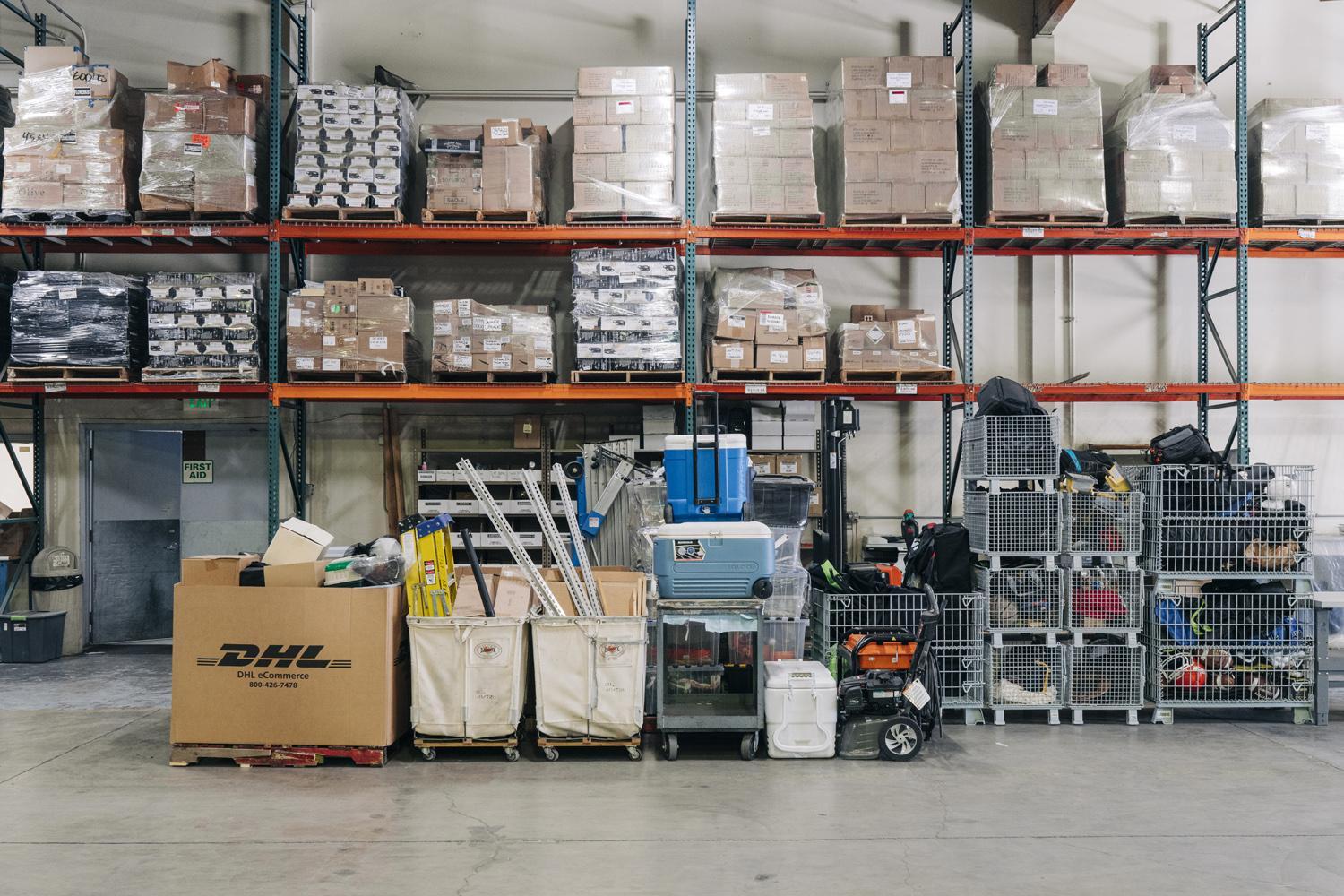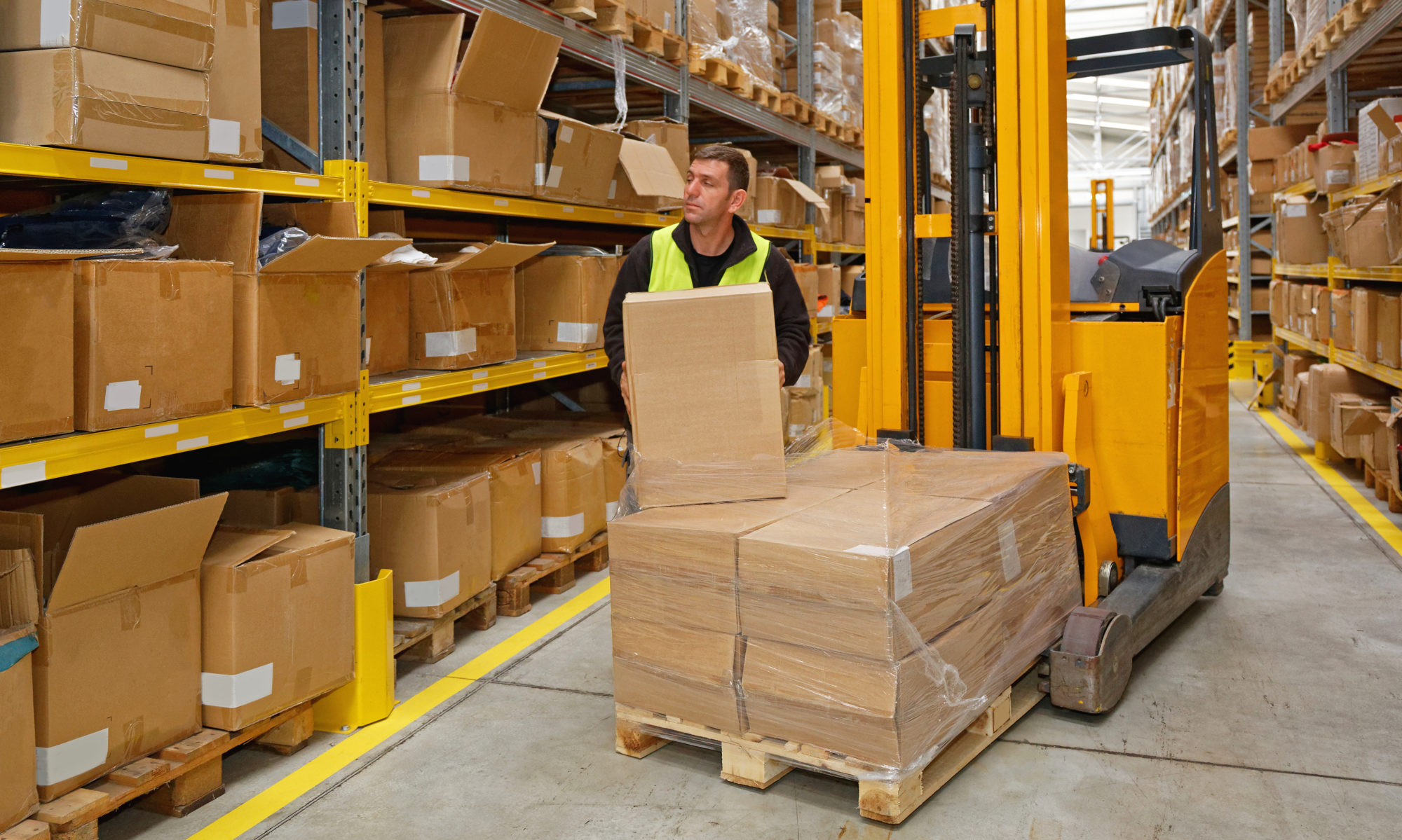

August is a tipping point. Summer drops are hitting peak volume, and the Q4 holiday rush is already taking shape in the background. For growing ecommerce brands, that combination is exciting—and exhausting in equal measure.
Here’s the problem: scaling your sales is only half the battle. If your fulfillment operation can’t keep pace, you’ll spend your busiest weeks buried in boxes, printing labels, and fielding “where’s my order?” emails instead of doing what you actually do best. Whether you’re shipping out of a spare bedroom, a cramped garage, or a tech-only 3PL that treats you like a ticket number, the late-summer surge has a way of exposing every crack in the system.
The good news? A professional, scalable ecommerce fulfillment service can change all of that—fast. Here’s how to position your business to handle the surge, and set yourself up for a strong Q4 while you’re at it.
Why Geography Is Your Most Underrated Logistics Strategy
Most growing ecommerce brands think about fulfillment in terms of speed. That’s important, but speed is largely a function of location. Ship everything from a single warehouse on one coast, and customers on the other side of the country are automatically looking at longer transit times and higher shipping costs—whether you pass those costs on or absorb them yourself.
Medallion Fulfillment & Logistics operates two warehouse facilities: one in Chatsworth (Los Angeles) and one in Franklin (Boston). That dual-node structure is more than a logistical convenience. It’s a strategy. By splitting your inventory across both coasts, you dramatically reduce the number of shipping zones your orders travel through. Fewer zones mean lower carrier costs and faster delivery windows—both of which matter enormously during a seasonal surge.
Faster delivery builds trust. When shoppers see a two-day estimate instead of five-to-seven, they’re less likely to abandon their carts and more likely to come back. During a period when every conversion counts, that difference is significant.
Ecommerce Fulfillment Services That Work With Your Tech Stack
A fulfillment partner should simplify your operations, not add a new layer of complexity to them. That means seamless integration with the platforms you’re already using—without needing a developer to make it happen.
Medallion’s ecommerce fulfillment services connect directly with the most widely used shopping carts and marketplaces, including Shopify, Amazon, TikTok Shops, and more. When a customer places an order, the system processes it, picks and packs it, ships it, and pushes the tracking number back to the customer—automatically. No manual entry, no follow-up, no gaps.
That level of automation matters most when order volume spikes. Manual processes that are manageable at 50 orders a day become a liability at 500. A well-integrated fulfillment system absorbs that volume without requiring you to hire additional staff or extend your own hours.
The Medallion Difference: A Family Business That Knows What Growth Looks Like
Medallion Fulfillment & Logistics didn’t start as a national enterprise. It started in the Kent family garage.
That origin story matters because it shapes how we operate. We’ve lived the growing pains that come with scaling a business—the moment when demand outpaces your ability to fulfill it, when the systems that worked at a smaller scale start to break down, when you realize you’re spending more time on logistics than on the customers and products that got you here. We scaled through those challenges, and we built Medallion into what it is today: a premier fulfillment operation with over 32 years of experience, coast-to-coast warehouse coverage, and a client roster that spans startups to established ecommerce brands.
What hasn’t changed is the approach. Every client’s inventory receives the same level of care and attention we gave our very first shipment. As a family business, our reputation is tied directly to yours. When your customers receive their orders accurately and on time, that reflects well on both of us.
That’s not a marketing line. It’s how we’ve operated for over three decades.
Turning a Seasonal Surge Into a Predictable Growth Engine
Late summer doesn’t have to feel like a scramble. With the right ecommerce fulfillment partner, it becomes a predictable part of your growth calendar—a period you can prepare for, execute cleanly, and use as a springboard into Q4.
Here’s what that looks like in practice:
- Inventory split across LA and Boston keeps your shipping costs low and delivery times competitive nationwide.
- Platform integrations handle order processing and tracking automatically, so your team stays focused on sales and marketing.
- Scalable pricing means you’re not paying for capacity you don’t need during slower months, and you’re not scrambling to add it when demand spikes.
- A fulfillment partner with real operational history means fewer surprises and faster problem-solving when things don’t go exactly as planned.
The brands that come out of the late-summer surge in the best position are the ones that stopped acting as their own warehouse clerk—and started treating logistics as a growth function rather than a cost center.
Stop Running Your Business From a Shipping Station
You built your ecommerce brand to sell products, not to manage inventory spreadsheets at midnight. The late-summer sales surge is an opportunity—but only if your fulfillment operation is built to handle it.
Medallion Fulfillment & Logistics has the warehouse locations, the technology, and the family-business commitment to help you scale through peak season and into Q4 with confidence. Get a free price quote today and see how affordable custom logistics can be. Your next sales surge should be something you look forward to—not something you survive.