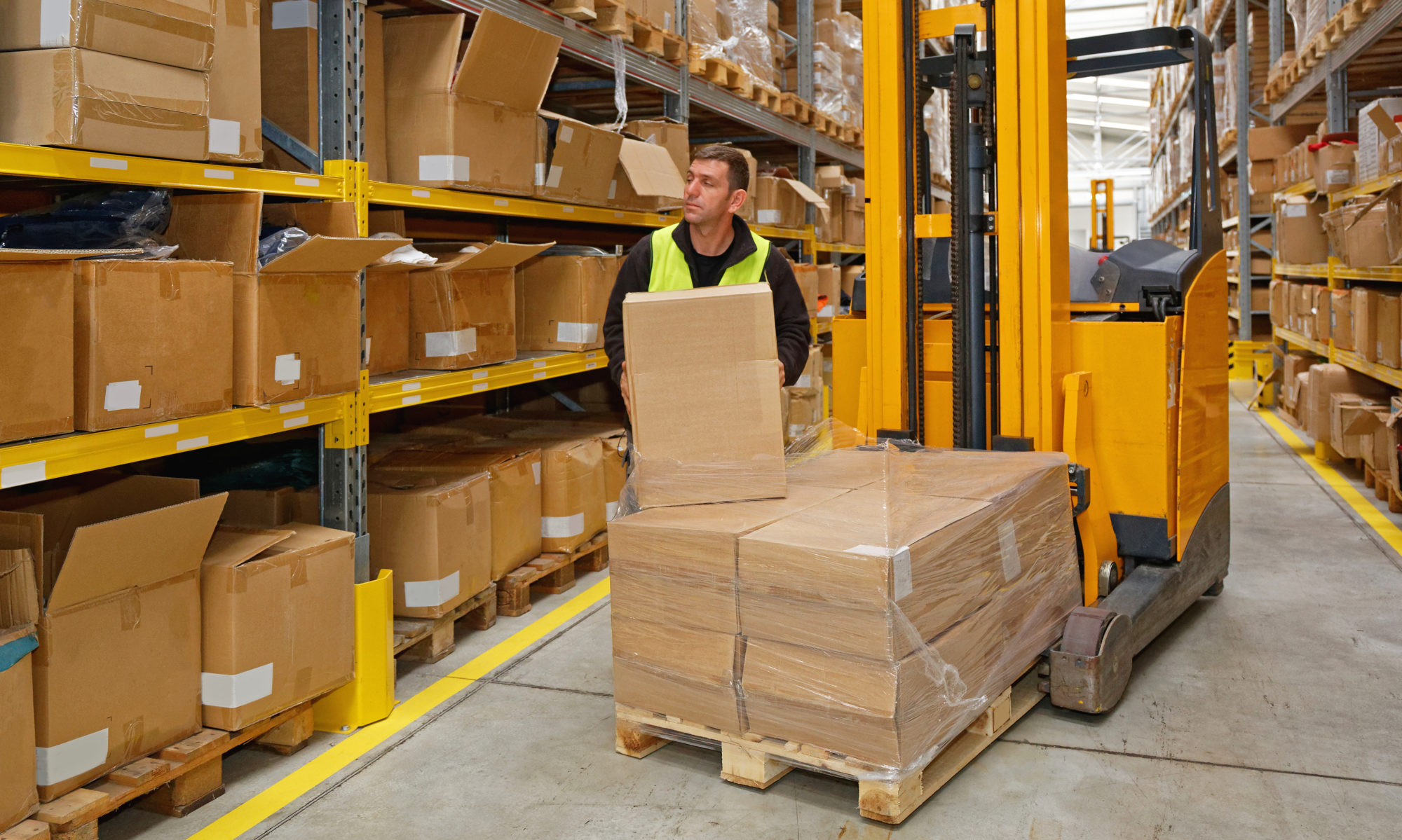

Cracking the Retail Code: How to Handle B2B and Big-Box Distribution Without Penalties

Quick answer: To handle big-box distribution without penalties, businesses must strictly follow specific retailer routing guides detailing EDI integration, pallet sizing, and delivery windows.

Partnering with an experienced fulfillment warehouse like Medallion Fulfillment & Logistics ensures compliance, eliminates costly chargebacks, and seamlessly integrates B2B shipments with direct-to-consumer e-commerce orders.

Landing a contract with a major retailer or big-box store feels like a massive victory for any growing brand. Securing shelf space in stores like Target, Walmart, or Amazon provides massive brand exposure and significant sales growth. You have successfully created a product that consumers want, and now the retail giants want to stock it.

However, the celebration usually pauses the moment the logistics paperwork arrives. Fulfilling orders for major retailers introduces an entirely new layer of complexity compared to standard e-commerce shipping. Big-box stores enforce strict rules on exactly how products must arrive at their distribution centers. If your company fails to follow these rules, the retailer issues financial penalties known as chargebacks, which quickly consume your profit margins and damage your vendor scorecard.

You need a clear strategy to manage these complex logistical requirements. This guide explains how to navigate routing guide compliance, avoid expensive penalties, and set your business up for sustainable wholesale success. Understanding these core concepts is essential for growth:

  • The complexity of “routing guides” when selling to Target, Walmart, or Amazon.
  • Why a single labeling mistake can lead to massive chargebacks and lost revenue.
  • The difference between high-volume B2B shipping and individual B2C e-commerce orders.
  • How Medallion’s experienced team ensures 100% compliance with major retail rules.
  • Expanding your brand from online-only to a true omni-channel powerhouse.

What makes retail routing guides so difficult to follow?

Retailers use routing guides to mandate exactly how suppliers must prepare and deliver shipments. These manuals can be hundreds of pages long, outlining precise requirements for carton labels, pallet configurations, Bill of Lading (BOL) formatting, and electronic communication.

Target, Walmart, and Amazon process millions of items daily. They rely on highly automated distribution centers to move this inventory efficiently. If your pallet arrives with the wrong dimensions or a missing barcode, their automated systems cannot process it. The retailer must then step in manually. To recoup their labor costs, they pass those expenses back to you in the form of a chargeback.

Choose an in-house logistics model if your company possesses a dedicated compliance department to read and enforce these manuals. Choose an experienced fulfillment warehouse if you want to avoid the overhead of a compliance team while maintaining perfect vendor scorecards.

Why do specific pallet sizing and delivery windows matter?

Every retailer has specific pallet sizing requirements to fit their particular racking systems. If you send a pallet that is two inches too tall, the receiving dock will likely reject the shipment entirely.

Furthermore, retailers enforce strict delivery windows. Your shipment must arrive on a highly specific date. Arriving a day early causes dock congestion, while arriving a day late causes out-of-stock issues on the retail floor. Both scenarios result in severe financial penalties.

How does EDI integration affect compliance?

Electronic Data Interchange (EDI) is the standard method for exchanging business documents between companies. Big-box retailers require EDI integration to receive purchase orders, send advance shipping notices (ASNs), and process invoices. Manual data entry is rarely allowed. Failing to transmit an ASN before the truck arrives at the retailer’s dock is a direct violation of the routing guide, leading to automatic chargebacks.

Why do single labeling mistakes lead to lost revenue?

The difference between high-volume B2B shipping and individual B2C e-commerce orders lies in the financial stakes of a single error. In a direct-to-consumer (B2C) model, printing a shipping label slightly crooked rarely matters as long as the carrier can scan it.

In business-to-business (B2B) shipping, a single labeling mistake can lead to massive chargebacks. Retail routing guides dictate the exact placement of GS1-128 barcodes on the outside of every carton. If a label is placed on the top of the box instead of the side, or if the barcode is wrinkled, the retailer’s automated conveyor belts cannot read it. A minor penalty per incorrectly labeled carton across a high-volume shipment can instantly wipe out thousands of dollars of your revenue.

How can an experienced fulfillment warehouse prevent retail chargebacks?

Managing these strict requirements requires dedicated expertise. Medallion Fulfillment & Logistics has spent decades mastering these complex compliance laws so our clients do not have to. As a family-owned business, we understand the hard work you have invested in growing your brand.

Our team actively manages routing guide updates across major retailers. When a major retailer changes their label placement rules, our warehouse management system updates immediately to reflect the new standard. Medallion’s experienced team ensures 100% compliance with major retail rules by implementing multi-step quality control audits on every outbound B2B shipment. We build the pallets to exact specifications, apply labels precisely, and schedule freight carriers to meet tight delivery windows.

How does seamless integration support an omni-channel strategy?

Expanding your brand from online-only to a true omni-channel powerhouse requires unified inventory management. You cannot afford to segregate your stock into separate warehouses for wholesale and direct-to-consumer orders. Splitting inventory ties up your capital and leads to stockouts in one channel while the other sits on excess product.

Medallion Fulfillment & Logistics bridges the gap between these different sales channels. We provide seamless integration so you can fulfill Shopify orders and Amazon FBA/B2B shipments from the exact same inventory pool. Our technology connects directly with your shopping carts and wholesale EDI systems. When a customer buys a single item on your website, our team picks and packs it immediately. When Target orders ten pallets of that same item, we route the inventory accordingly.

This unified approach gives you complete visibility over your stock levels, empowering you to make accurate purchasing decisions and maximize your sales potential across every platform.

Are you ready to take your brand to the big leagues?

Scaling into wholesale distribution is a monumental step for your business. The potential for revenue growth is tremendous, provided you can navigate the logistical hurdles smoothly.

Don’t let strict retail guidelines hold your brand back from the big leagues. Let Medallion handle the compliance paperwork while you celebrate the sales. Our dedicated team is ready to streamline your operations, protect your profit margins, and help your brand thrive in the retail market.

[Get a Free B2B Fulfillment Quote Now]

Frequently Asked Questions about B2B Fulfillment

What are retail routing guides?

Retail routing guides are comprehensive instruction manuals provided by major retailers to their suppliers. They dictate the exact rules for packaging, labeling, palletizing, and shipping products to the retailer’s distribution centers to ensure efficient processing.

How do chargebacks impact business profitability?

Chargebacks are financial penalties issued by retailers when suppliers violate routing guide rules. These fees are deducted directly from the supplier’s invoice, which significantly reduces the overall profit margin of the wholesale order.

Can Medallion Fulfillment & Logistics handle both B2B and B2C orders?

Yes. Medallion Fulfillment & Logistics manages both direct-to-consumer e-commerce fulfillment and complex wholesale B2B distribution from a single inventory pool, allowing businesses to efficiently operate across multiple sales channels.

What is the difference between B2B and B2C fulfillment?

B2C fulfillment involves shipping individual items directly to consumers quickly and accurately. B2B fulfillment requires shipping large volumes of products on pallets to retailers, which demands strict adherence to complex routing guides and scheduled delivery windows.

Why is EDI integration necessary for big-box retail?

EDI (Electronic Data Interchange) allows the secure, automated transfer of essential business documents like purchase orders and shipping notices. Major retailers require EDI integration to eliminate manual data entry errors and streamline the receiving process at their highly automated facilities.


Contact us today to get a custom price quote for services.

Driving Traffic to Your Ecommerce Website: A Business Owner’s Guide

Drive traffic to your ecommerce business website.

As the owner of Medallion Fulfillment, I see a lot of products come and go through our fulfillment warehouse doors. The businesses that consistently keep our team busy packing and shipping orders all share one common trait: they know how to drive traffic to their online stores.

Building a beautiful ecommerce business website is only the first step. If no one visits your shop, the best products in the world will just sit on the shelves. Whether you are just starting out or looking to break through a sales plateau, understanding how to attract qualified visitors is essential for growth.

Traffic is the lifeblood of your ecommerce business. It brings potential customers to your virtual doorstep, boosts your brand’s visibility, and ultimately leads to the sales that keep companies like yours—and partners like mine—thriving. Here are the strategies I’ve seen work time and again for our most successful clients.

SEO Optimization: The Foundation of Visibility

Search Engine Optimization (SEO) might sound technical, but it is simply the process of making your store easy for search engines like Google to understand and recommend. When done right, it brings in “organic” traffic—visitors who find you naturally without you paying for every click.

Keyword Research

You can’t optimize your site if you don’t know what your customers are looking for. Keyword research involves identifying the specific terms and phrases potential buyers type into search engines.

Start by finding high-value keywords relevant to your niche. You want a mix of broad terms (like “running shoes”) and specific, long-tail keywords (like “women’s trail running shoes size 8”). Tools like Google Keyword Planner or SEM rush can help you uncover these terms. By weaving these keywords naturally into your product descriptions and pages, you signal to Google that your site has exactly what the searcher needs.

Meta and Alt Tags

These are the behind-the-scenes details that matter more than you think.

• Meta Tags: These include your page title and meta description. They are what users see in the search results. A compelling meta description acts like a mini-ad, enticing people to click on your link over a competitor’s.

• Alt Tags: These are descriptions applied to images. Since search engines can’t “see” pictures, alt tags tell them what the image is about. This not only helps with ranking but is crucial for accessibility, allowing visually impaired users to understand your content.

Header Tags

Structure matters. When I walk through our warehouse, I rely on clear signage to know where inventory is stored. Google relies on header tags (H1, H2, H3) to navigate your content.

• H1: This is your main title. It should include your primary keyword.

• H2 and H3: These are your subheadings. They break up text and make it easier for both humans and search bots to digest information.

Mobile Optimization

Smart phones account for a massive chunk of retail traffic-over 77% globally by some estimates. If your site is clunky or slow on a phone, visitors will leave instantly. Google also prioritizes mobile-friendly sites in its rankings. Ensure your design is responsive, meaning it adjusts seamlessly to any screen size, and check that your buttons are large enough to be tapped easily.

Blogging

A blog is one of the most effective tools for driving traffic. It allows you to target keywords that wouldn’t fit naturally on a product page. For example, if you sell camping gear, a product page sells a tent, but a blog post can explain “The Top 5 Campsites for Families.”

By creating valuable, engaging content, you position your brand as an industry expert. When people find your helpful guides, they are already halfway to trusting your products. Plus, fresh content gives search engines a reason to crawl your site more often, which can boost your overall rankings.

Social Media Marketing

Social media is where your customers hang out when they aren’t shopping. It is your chance to build a personality for your brand and engage directly with your audience.

Don’t just post product photos. Engage with your followers. Reply to comments, share user-generated content, and use stories to show the human side of your business. Each platform has its own vibe-Instagram and TikTok are visual and great for product demos, while LinkedIn might be better for B2B connections. The goal is to build a community that clicks through to your site not just because they want to buy, but because they like you.

Paid Advertising

While SEO creates long-term growth, paid advertising is like a faucet you can turn on for instant traffic. It allows you to place your products directly in front of high-intent shoppers.

Running targeted ad campaigns on Google or social media ensures your budget is spent on the right people. Google Shopping ads are particularly powerful for ecommerce because they show the product image and price right in the search results. Social media ads allow for incredible targeting precision, letting you show ads to people based on their interests, behaviors, and demographics.

Email Marketing

Most people won’t buy from you the first time they visit your site. That is why capturing their email address is vital.

Email marketing allows you to own your audience. You aren’t at the mercy of a social media algorithm. By building an email list, you can send targeted campaigns about new arrivals, sales, or helpful content directly to their inbox. It remains one of the highest ROI channels because you are marketing to people who have already raised their hand and said, “I’m interested.”

Working with Medallion Fulfillment as Your Partner

Let’s face it: as your traffic strategies start to pay off, you are going to face a new challenge. Fulfillment. Increased traffic leads to increased orders, and suddenly, you might find yourself spending more time packing boxes than growing your business.

That is where we come in.

At Medallion Fulfillment & Logistics, we handle the heavy lifting so you don’t have to. We specialize in working with growing businesses to manage their inventory, pick and pack orders, and ship them out quickly and accurately.

• Scalability: When your marketing campaign goes viral, we have the staff and space to handle the spike in volume without you breaking a sweat.

• Cost Savings: We have established relationships with carriers, often securing better shipping rates than you could get on your own.

• Customer Satisfaction: Fast, accurate shipping keeps those new customers coming back.

Take the Next Step for Your Business

Driving traffic to your ecommerce website requires a mix of patience, strategy, and experimentation. You don’t have to do everything at once. Start with a solid SEO foundation, layer in some content marketing, and test the waters with paid ads.

Monitor your results, see what brings in the best customers, and double down on those strategies. And remember, when the orders start rolling in faster than you can pack them, Medallion Fulfillment is here to help you scale.

Contact us today to learn how our innovative, affordable fulfillment solutions can support your growing business.

The Ultimate Guide to eCommerce SEO in 2024

ecommerce seo and fulfillment company partnerships

Looking for ways to boost your online business this year? Working with a fulfillment company to help improve customer satisfaction can help. But you need to attract customers first. That’s where eCommerce SEO comes in. Learn more about how to use SEO for your company.

Importance of SEO for Online Businesses

Search engine optimization (SEO) refers to your company’s rankings in Google and other search engines. Higher rankings help improve your visibility when people search for the products or services that you offer.

When potential customers are able to easily find your website, this can lead to an increase in sales. SEO also gives you a way to raise your credibility and establish trust with your customer base.

Tips for Improving eCommerce SEO

How can you move up in search engine rankings? Get to know the right keywords. Which words of phrases do people use when searching for products or services? Using these keywords in your website content can help you rank higher. Keyword search tools can help you determine which phrases and words to use.

Work on the architecture of your website. This refers to the way your pages, including product pages, about us page, and other pages, are organized. Optimizing your site’s architecture makes it easier for Google and other search engines to find your category and product pages. It also helps visitors find your products or services.

Making sure your web content is optimized can help you show up higher in rankings. Work on optimizing title tags, meta descriptions, product images, blog posts, and other content.

Searching for a fulfillment company to help improve business this year? Contact Medallion Fulfillment and Logistics for more information on the services we provide. We can help your online business thrive.

Five Tips on How to Create Engaging Product Descriptions That Sell

Happy businessman working on his laptop at home. Handsome businessman reading an email on his laptop at home. Freelance entrepreneur typing on his laptop at home. Virtual remote worker at home

When you’re looking for ways to increase business, focusing on product descriptions can pay off. It’s not enough to simply list the product name and its features. These descriptions should entice customers to learn more about your products and make a purchase. Combining effective product descriptions with other business-boosting steps, such as partnering with a fulfillment warehouse for faster processing and shipping, can help your online store thrive.

Zoom in On Your Targeted Audience

General product descriptions might seem like a good way to reach a wider audience. However, these generic descriptions aren’t likely to appeal to many buyers overall. Focus on your target audience for each product description instead. Doing this gives you a much higher chance of appealing to prospective buyers.

Go Big on Benefits

Customers want to know why they should buy your products or how your products might help them. Rather than including a list of technical features, focus on the benefits your products provide. These benefits can persuade customers to find out more about your products and consider purchasing them.

Don’t Skimp on Details

Descriptions that use general phrases to describe products aren’t doing much to grab customers’ attention. Include specific details about your products to help customers learn more about them.

Share Glowing Reviews

Including reviews in your product descriptions can show other customers how popular your products are. Share images or quotes from reviews in your descriptions.

Format Product Descriptions with Care

Good product descriptions don’t just involve using the right words. The way these descriptions are formatted can also make them more or less effective. Create product descriptions that are easy to read. Use bullet points, white space, high-quality images, and larger font sizes.

Looking for the right fulfillment warehouse to partner with? Contact Medallion Fulfillment and Logistics for more information.

Your #1 Solution for Year-Round Warehouse Fulfillment Services

Your need for effective California fulfillment services doesn’t end when the sale is over. Medallion’s comprehensive programs are specifically designed to accommodate the ebbs and flows of your particular company.

Our robust Amazon replenishment warehousing services meet Amazon’s standards at a more cost-effective price. Contact us for more information.

Tips for Having the Most Profitable Holiday Season Ever

Image of Fulfillment Company after a Successful Holiday Season

As the holiday season approaches, both vendors and shoppers eagerly anticipate the buying frenzy of Black Friday and Cyber Monday. But how do you keep that momentum going through the end of the year? Implement these helpful selling tips from our fulfillment company experts to ring the bell on your most profitable holiday season ever.

1. Everything’s better in a bundle.

Convenience is one of the primary reasons consumers have embraced online shopping. During the holiday season, make it even easier for customers by bundling two or more products together in a single purchasing unit. It’s a time-saver for buyers and higher profits for you.

2. Leverage the appeal of flash sales.

Discounts are a staple of holiday shopping, but flash sales up the ante by creating a sense of urgency with a limited time frame. Studies show that consumers are more likely to open an email that holds the promise of a flash sale.

3. Offer tiered discount pricing.

According to Entrepreneur Magazine, boosting average sales per customer is one of the more effective methods to increase revenue and profits. Tiered discounts, in which shoppers get incrementally higher percentage discounts at different levels of spending, is a great way to drive add-on sales.

4. Offer free shipping.

For better or worse, free shipping is no longer a rare perk in the digital marketplace, but it doesn’t have to be a blanket policy. As with tiered pricing, you can tie reduced or free shipping in with specific dollar amounts. Another idea is charging lower shipping fees for lengthier delivery times.

Team Up with Our Fulfillment Company for Happier Holidays

Do you struggle to keep up with seasonal fluctuations in your eCommerce business? Contact Medallion Fulfillment & Logistics to learn more about our scalable programs.