5 Social Media eCommerce Strategies to Try in 2024

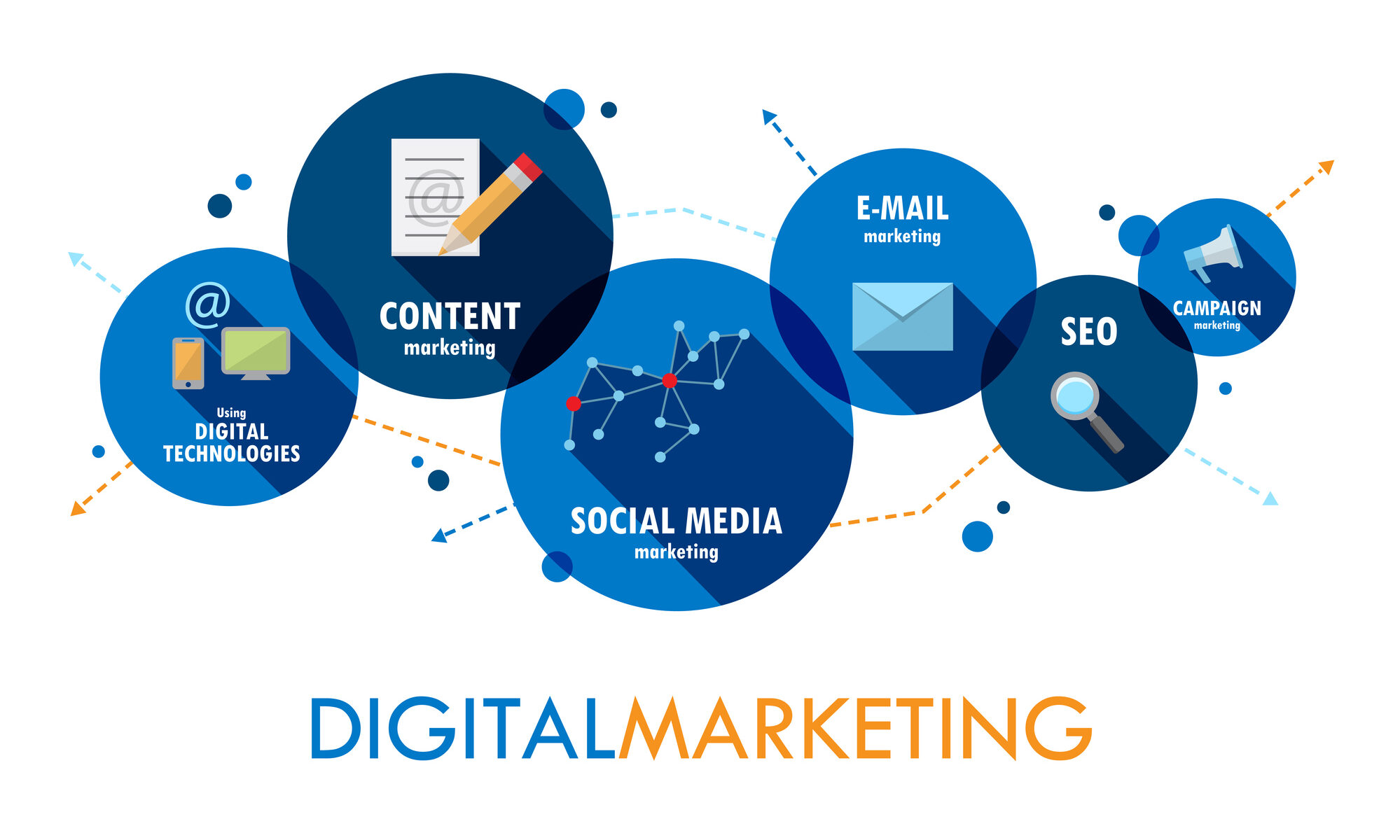
eCommerce Social Media Marketing Strategy Depiction from a Fulfillment Warehouse

Social media has become an integral part of eCommerce, but platforms and strategies continue to evolve rapidly. Our fulfillment warehouse experts take a look at five social media and digital trends that should be a part of your business plan in 2024.

1. Explore live shopping events.

While live shopping events have increased exponentially in China, the United States has not been as quick to embrace this activity. But major platforms such as TikTok and Poshmark are still betting big on the future with major investments in live shopping.

2. Create a personalized shopping experience.

The Internet may be mass-market in scope, but consumers look for a shopping experience that addresses and meets their personal needs. Some companies are now using artificial intelligence (AI) to increase the number of data points they can collect and use for deep personalization.

3. Leverage social influencers strategically.

The influencer industry has grown over recent years, but the winds are starting to shift as increasing numbers of consumers no longer trust such content. In response, eCommerce companies are limiting their partnerships to organic influencers and placing a greater emphasis on authentic content from actual users.

4. Invest in social commerce.

Social commerce, which allows shoppers to make purchases directly from platforms such as TikTok and Instagram, generated upwards of $725 billion in revenue during 2022. What’s more, experts anticipate growth to more than $6 trillion by 2030.

5. Use augmented reality.

Augmented reality (AR) is helping to close the gap between in-store and online shopping. AR devices create an amazing interactive experience that makes products come alive.

Expand Your Business with a Full-Service Fulfillment Warehouse

Our scalable and personalized service programs free you up to focus on growing your eCommerce sales. Contact us at Medallion Fulfillment & Logistics to learn more.

What is Omnichannel Marketing and Why Do I Need to Embrace It?

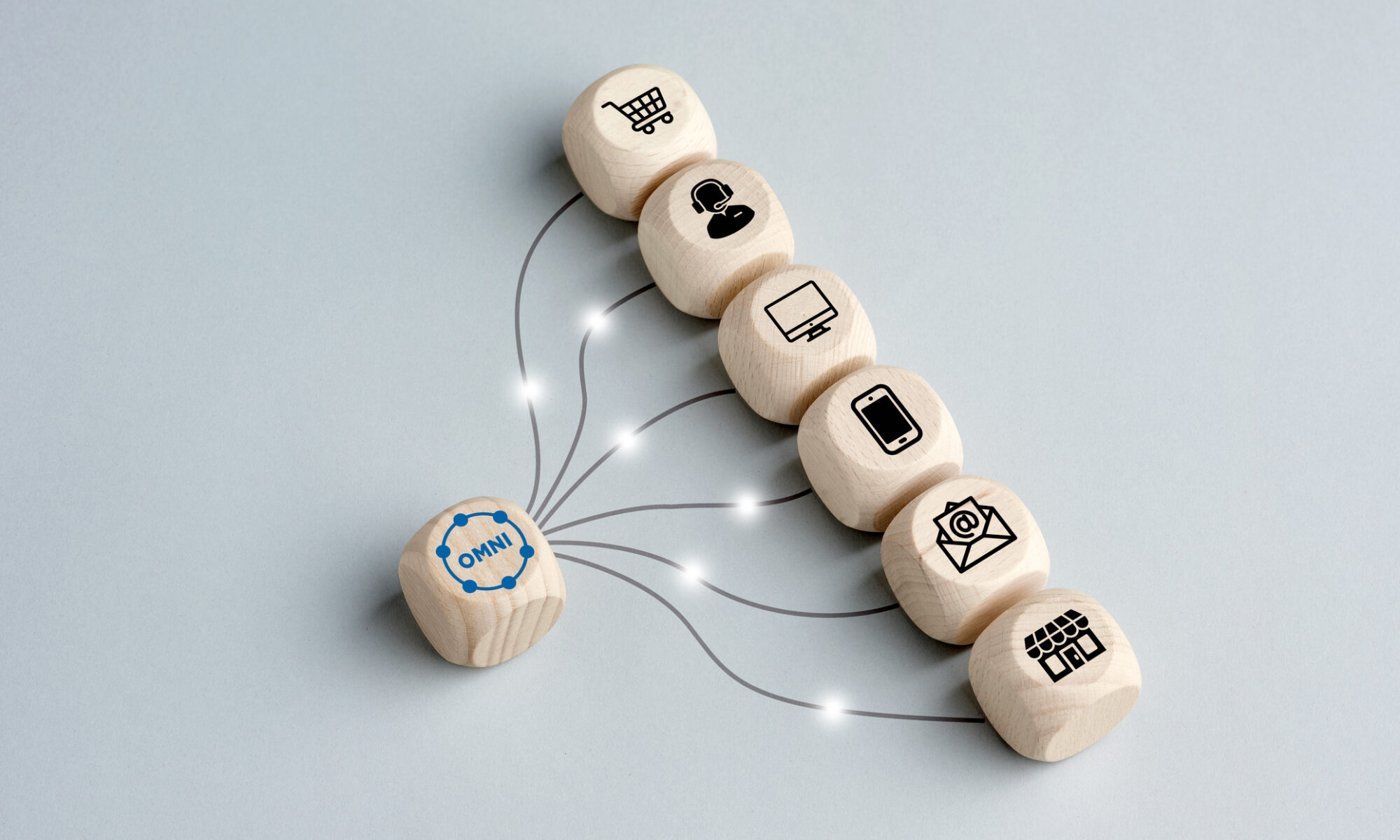
Omnichannel Marketing Depiction

You might be familiar with multi-channel marketing with the rise of social media over the past decade. But have you heard about omnichannel marketing? This marketing approach differs from multi-channel marketing, while offering an effective way to enhance customer experience. Learn more about omnichannel marketing and how it can help your business.

What Is Omnichannel Marketing?

This type of marketing provides a seamless experience for customers via access to support, special offers and sales, merchandise, and other services across all devices, channels, and platforms. How is this different from multi-channel marketing? With multi-channel marketing, customers might have access to support on a company’s website, but only on the desktop version. With omnichannel marketing, customers would have access to support services on mobile and desktop websites, social media, and other channels, such as live chat.

Benefits of Omnichannel Marketing

Why should your company consider adopting this marketing approach? Focusing on omnichannel marketing offers important advantages for businesses. With this kind of marketing, you’re making it easier for customers to get in touch with you. Instead of having to visit your desktop website for one service and browse your social media accounts for other information, they have convenient access to everything they need on all channels and platforms.

Switching to omnichannel marketing can help your company improve customer satisfaction, which often translates to higher profits and more business. Providing customers with as much convenience as possible encourages repeat business and loyalty. This can turn into increased sales from these customers and new customers. Partnering with a fulfillment warehouse can help boost sales and customer satisfaction even more.

Are you looking for a fulfillment warehouse as part of a shift toward omnichannel marketing and fulfillment? Please contact Medallion Logistics and Fulfillment to find out how we can help your business succeed.

Predictions for 2024 eCommerce and Fulfillment Trends

Happy Customer That Received Their Package from a Fulfillment Warehouse

As each new year arrives, people turn to their crystal balls to predict trends that will shape the next 12 months. Our fulfillment warehouse experts share some of the top eCommerce trends you can expect to see in 2024.

1. Value-driven loyalty programs take center stage.

If your eCommerce business doesn’t include a loyalty program, you’re already playing catch-up. Today’s consumers participate in an average of more than 15 loyalty programs per person, finding these perks even more attractive than discounts. Many eCommerce companies are boosting their social awareness profile by tying loyalty programs in with charities and environmental causes.

2. Third-party cookies turn stale.

As concerns about online security grow, Google and other platforms have been phasing out third-party cookies. While this may feel like a blow to accessing valuable data, eCommerce businesses can pivot by returning to the use of metrics and creating a robust retention marketing program.

3. AI is here to stay.

Artificial intelligence, or AI, is a one-time trend that is rapidly becoming a fixture. Thanks to the predictive power of AI, the brass ring of 1:1 marketing is truly within grasp. With careful planning and investment, you can incorporate AI without the need for extensive technical know-how.

4. Customer retention becomes a primary focus.

For a while, eCommerce companies bucked the conventional business wisdom that it costs more to acquire a new customer than it does to keep them. Now that acquisition costs have tripled, many eCommerce companies are shifting marketing dollars to their customer retention programs and tools such as mobile apps, exclusive benefits, and brand subscription.

Plan for Future Success with Our Fulfillment Warehouse

Partner with a full-service fulfillment warehouse that scales to meet your needs, now and in the future. Contact us at Medallion Fulfillment & Logistics to learn more.

5 Tips on How to Handle the Inevitable Holiday Returns

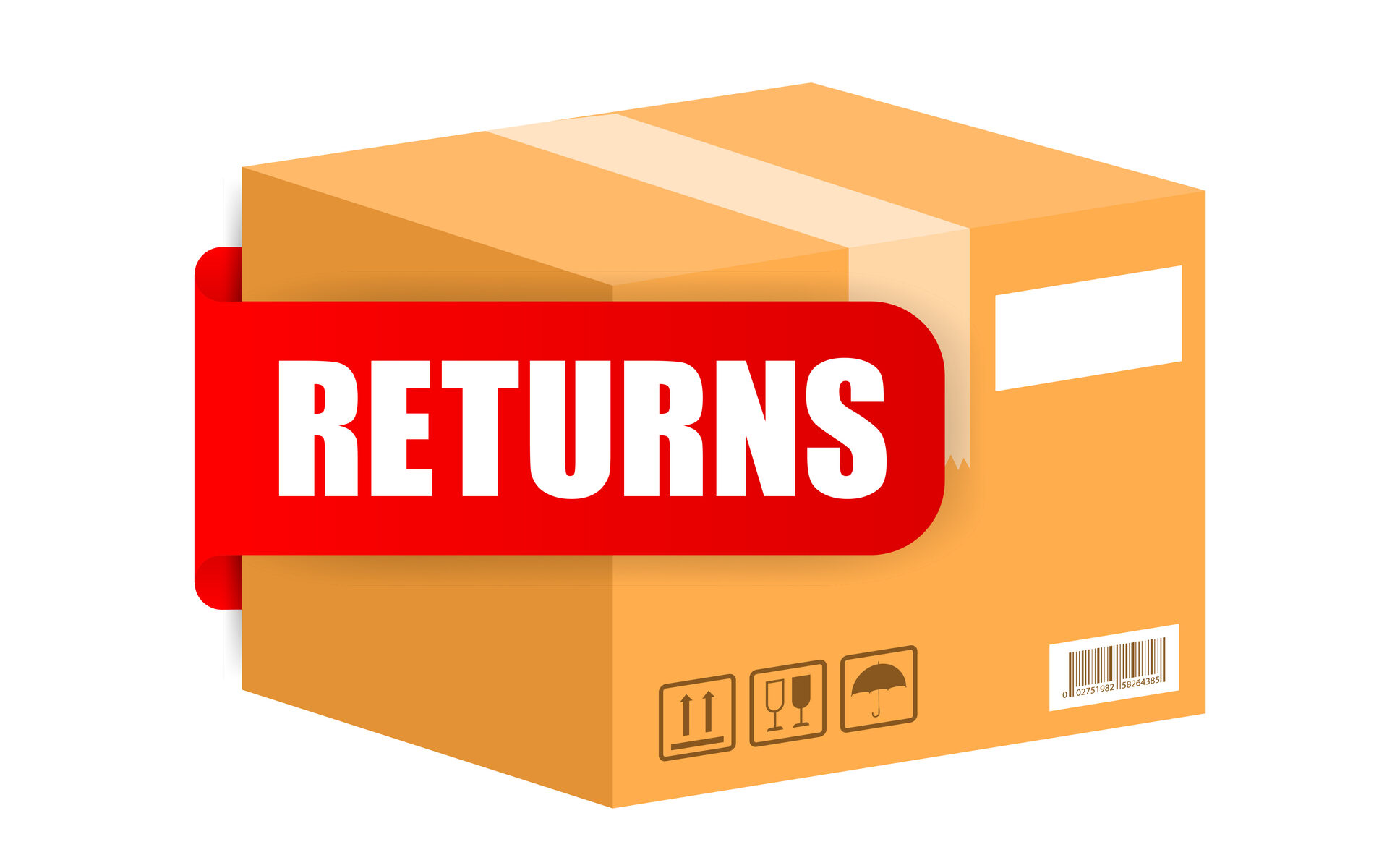
How a Fulfillment Company Deals With Holiday Returns

Returns are a necessary cost of doing business, but the price gets even steeper during the post-holiday period. Streamline the process with these helpful tips from our fulfillment company team.

1. Use technology to automate the return process.

Enterprise resource planning (ERP) and other internal software systems can automate many steps that used to be done manually, such as manage authorizations, create shipping labels, and track returned items.

2. Refurbish and reuse returned products.

Sometimes a returned item is just in need of a little TLC. Some eCommerce companies employ technicians who can determine the product’s condition and make any necessary repairs. Once restored, the item can be returned to the original buyer or put back into inventory for resale.

3. Reduce, reuse, recycle.

If a returned product is beyond repair, don’t simply toss it away. Check to see if any usable parts may be reclaimed and partner with a recycling organization to ensure proper disposal of what’s left. This procedure goes a long way toward reducing your carbon footprint.

4. Gather data to improve forecasting, marketing, and inventory decisions.

If returns are considered “mistakes,” then they represent a learning opportunity. Do a deep dive into return trends, product quality issues, and other factors that can be used to reduce the number of future returns and optimize reverse logistics.

5. Make the return process user-friendly.

Do you consider returns to be a thorn in your company’s side? Change your perspective and look at the return process as another element in the sales funnel. A customer-focused return process strengthens your brand and makes a customer more likely to purchase from you in the future.

Partner with a Full-Service Fulfillment Company

Medallion Fulfillment & Logistics has extensive experience in customer service and all aspects of eCommerce business. Contact us to learn more.

Google’s Going Local, Why Google Business Profiles Are More Important than Ever

Small business owner using Medallion Fulfillment & Logistics.

Have you noticed the change in Google.com results? Have you seen all the red icons in front of listings whenever you do a Google search that contains a city location in the query? Are you noticing that your website’s organic (unpaid placement) seems to be pushed down below a myriad of local results? Welcome to the new world of Google’s localized results!

With Google pushing location specific listings pulled from their Google Business Profile index, it’s getting harder for prospects to find your “real” website. Localization is the rage with search engines right now; even Bing has gotten into the act. It is now more important than ever to use your local business profile page as a doorway to bring visitors into your website. As Google is the big player in the world of search, we’ll focus on discussing Google Business Profile accounts in this article, but be aware that Bing has similar service.

If you have a business, you most likely already have a Google Business Profile even if you never created one. Google has planned ahead for you, and has created a profile page just for you, based on the information that it has found on the Web about your business. It’s your job to claim it, and then work the page over so it can be a selling and review tool to funnel customers and prospects to your “real” website.

How do you claim your listing?
First, visit this page: http://www.google.com/business/. On the right you will see a section for business owners. Your listing is free, but you will need to set up or tie an existing Google account login to your new Google Profile account. One word to the wise, if you are paying a third party to do set up for you, make sure that they tie the Google Profile account to you and not to themselves. You want to retain ownership of your Google Business Profile page as long as you have your business.

The sign up and set up interface is easy to use. You will enter in your physical address (no P.O. Boxes allowed), your phone number, email address, website URL, business description, and then select service or product categories. Don’t be afraid to choose custom categories that are short keywords of the services or products you provide. You can only set up a maximum of five categories.

Your Business Profile page is not complete until you enter details about your business such as: operating hours, types of payment accepted, photos, YouTube.com videos, and finally the important “additional details.” Take time to add “additional details” that make sense. We recommend using keyword phrases for these “additional details”. Keep in mind that what you enter here should be considered like a bulleted list, with a one to three word clarification in the second field to the right of the entered keyword. Focus on keywords that are indicative of what you sell and in a very short concise format.

Although you are done, your Business Profile page will not go live until Google has verified that you are really located at the address your have listed in your Google Profile account. Plan on two weeks for a postcard or plain envelop to come to you via regular mail at the listed location. This correspondence will contain a PIN. You must enter this PIN number in your Google Profile account for your page to be put in the indexing queue. It may then take another one to four weeks for your listing to actually become live. Unfortunately setting up and verifying a Google Business Profile page is not quick process but make sure to follow the instructions carefully. If someone has already claimed your physical location you may not be able to claim it as well. This is an important note to remember for office buildings and even businesses sharing physical spaces with the same street address.

How to maintain top position with your Google Business Profile?
As Google Profile pages are so important now in the organic results, how can you improve placement and then retain it once you win it. We recommend that you do monthly updates of your photos and videos on your Google Profile page. If you don’t have videos, now’s the time to start getting creative and make several short videos using your digital camera. Just load your video files to YouTube.com (tied to the same Google account that you used for your Google Profile page). Insert the YouTube.com link to the video into your Google Profile account in the video section. You can show up to five videos at a time. As for pictures we recommend sizing 20 or so into a square shape and then rotating ten different ones each month. Google seems to like and reward Profile pages with better placement that are actively managed on a regular basis.

Google also seems to reward Google Profile pages with better placement when the business offers coupons and has more review than their competitors. Not all markets seem to have a clear cut path to top placement, but we do know from information found online that in major markets reviews and coupons are just one of the keys for top placement of a Google Business Profile page. Your geographic proximity to the person who has searched is still the top determining factor in which businesses are shown and then coupons and reviews will additionally rank the returned business listings.

Where do the reviews come from that appear on my Google Business Profile page?
Google scans the Web and may pull reviews from all over and embeds them on your Google Profile page. But more often than not, it is real business users that leave reviews directly by visiting your Profile page if they are logged into their own Google account.

Unfortunately, you have no control of the reviews that appear on your Profile page. However, as the page’s owner, if a poor review is posted, you can respond to the review, but there is no “remove this review” button. You can however flag the review for Google as inappropriate, but Google may leave the review at their option.

Be careful if you are using a third party set up service that the creation of fictitious reviews is not part of your package. Your Profile page could be dropped from the index by a violation of Google’s terms of service.

In conclusion, with the advent of search engine localization, claiming your Google Business Profile page is a very important aspect of managing your online presence. With Google Profile pages being ranked higher than websites for search queries that contain a location, we recommend using this Google tool to your advantage to funnel clients and prospects to your website.