A Comprehensive Guide to Navigating 3PL Services for Small Businesses Pt 2

3PL Services Guide

Last week we discussed what a 3PL services are and how they would benefit your small business. This week we will go over how to select the best 3PL partner for your business.

Making the Right Choice: Criteria for Selecting the Best 3PL Partner

Choosing the right 3PL partner can make or break your business. Here are some critical criteria to consider:

Industry Experience

Look for a 3PL provider with experience in your industry. They’ll understand the specific challenges you face and offer tailored solutions. Check their track record and client testimonials to gauge their expertise.

Technology and Integration

As a modern 3PL provider we offer advanced technology for inventory management, order tracking, and data analytics. Our systems can integrate seamlessly with your existing platforms, like your e-commerce site or ERP system.

Scalability

Your business will grow, and your logistics needs will evolve. Choose a 3PL partner that can scale with you. We are able to handle increased order volumes, new product lines, and expanding geographic markets as we have warehouses on the East and West coast

The Benefits of Using 3PL for Small Businesses and E-commerce Startups

Outsourcing logistics to a 3PL provider offers several advantages:

Cost Savings

By outsourcing logistics, you save on warehousing, labor, and transportation costs. 3PL providers leverage economies of scale, offering competitive rates that you couldn’t achieve on your own.

Focus on Core Competencies

With a 3PL handling your logistics, you can focus on what you do best—whether that’s product development, marketing, or customer service. This leads to better overall business performance.

Enhanced Customer Experience

Timely and accurate order fulfillment enhances customer satisfaction. 3PL providers offer faster shipping options, real-time tracking, and efficient returns management. Happy customers are more likely to become repeat buyers.

The Role of 3PLs in Ecommerce

In the e-commerce landscape, 3PL providers play a critical role in ensuring smooth operations. Here’s how they contribute:

Streamlined Shipping

E-commerce is all about speed. 3PL providers offer multiple shipping options, including same-day and next-day delivery, to meet customer expectations. They work with various carriers to find the best rates and routes.

Multi-channel Fulfillment

Many e-commerce businesses sell on multiple platforms—Amazon, eBay, their own website, and more. A 3PL partner can manage orders from all these channels, ensuring a seamless experience for your customers.

Returns Management

Handling returns can be a logistical nightmare. 3PL providers offer efficient returns management, processing returns quickly and restocking items promptly. This improves customer satisfaction and reduces losses.

The Importance of 3PL for Small Business Owners

For small business owners, the importance of 3PL cannot be overstated. Here’s why:

Access to Expertise

3PL providers bring industry expertise that small businesses typically lack. They stay updated on the latest trends, regulations, and best practices, ensuring your logistics operations are top-notch.

Flexibility and Adaptability

The business landscape is constantly changing. Whether it’s seasonal demand fluctuations or sudden market shifts, 3PL providers offer the flexibility to adapt quickly. This resilience is crucial for small businesses.

Competitive Advantage

Outsourcing logistics to a reliable 3PL provider gives you a competitive edge. You can offer faster shipping, better customer service, and lower prices, setting you apart from competitors.

Key Takeaways for Small Businesses Considering 3PL

If you’re considering integrating 3PL into your business strategy, here are some key takeaways:

Evaluate Your Needs

Assess your current logistics operations and identify areas where a 3PL provider can add value. This will help you choose the right partner and services.

Start Small

You don’t have to outsource everything at once. Start with one aspect of your logistics, such as warehousing or order fulfillment, and expand as you see positive results.

Monitor Performance

Regularly review the performance of your 3PL provider. Use key metrics like delivery times, order accuracy, and customer feedback to ensure they’re meeting your expectations.

The Importance of 3PL for Small Business

In conclusion, 3PL providers offer invaluable support for small businesses and e-commerce startups. They bring expertise, technology, and scalability that can transform your logistics operations. By choosing the right partner and leveraging their services, you can focus on growing your business and delivering exceptional customer experiences.

Ready to take your business to the next level? Explore our 3PL solutions and contact us to find the perfect partner to streamline your logistics.

A Comprehensive Guide to Navigating 3PL Services for Small Businesses Pt 1

A Guide to 3PL

Mastering 3PL for Small Businesses and E-commerce Startups

In the ever expanding world of e-commerce, managing fulfillment logistics can be overwhelming for small businesses. Enter third-party logistics (3PL) providers, the unsung heroes that handle everything from warehousing to shipping. Whether you’re a small business owner or an e-commerce startup, this comprehensive guide will help you understand how 3PL services can improve your operations.

What is Third-Party Logistics (3PL) and Why It Matters?

Third-party logistics, or 3PL, refers to outsourcing logistics and supply chain management tasks to external companies. These fulfillment companies manage warehousing, inventory, packaging, and shipping, allowing businesses to focus on growth.

For small businesses, 3PL services offer a lifeline. They provide expertise, infrastructure, and technology that would be costly to develop in-house. This is crucial for businesses with limited resources and those looking to scale efficiently.

In this guide, you’ll discover why 3PL is essential for your business, the services offered, and how to choose the right partner. We’ll also explore the benefits, future trends, and key takeaways for integrating 3PL into your business strategy.

Understanding the Basics: What Services Do 3PL Providers Offer?

A 3PL provider offers a wide range of services designed to streamline your supply chain. Here’s a look at some key services:

Warehousing and Storage

One of the primary services offered by 3PL companies is warehousing. They provide storage solutions tailored to your business needs, whether you require short-term or long-term storage. This eliminates the need for your own expensive warehouse space.

Inventory Management

3PL providers use advanced technology to manage your inventory efficiently. They offer real-time tracking, ensuring you always know your stock levels. This reduces the risk of stockouts and overstocking.

Order Fulfillment

From picking and packing to shipping, 3PLs handle the entire order fulfillment process. Their expertise ensures accurate and timely deliveries, enhancing customer satisfaction. Some even offer customized packaging to create a unique brand experience.

The Importance of 3PL for Small Business

3PL providers offer invaluable support for small businesses and e-commerce startups. They bring expertise, technology, and scalability that can transform your logistics operations.

Make sure to check back next week for part two on Navigating 3PL’s for Small Businesses. Remember, the right 3PL provider is more than just a vendor—they’re a strategic partner in your business success. Contact us your fulfillment warehouse for all your small business needs.

Five Essential Benefits of a 3PL Warehouse for Your Small Business

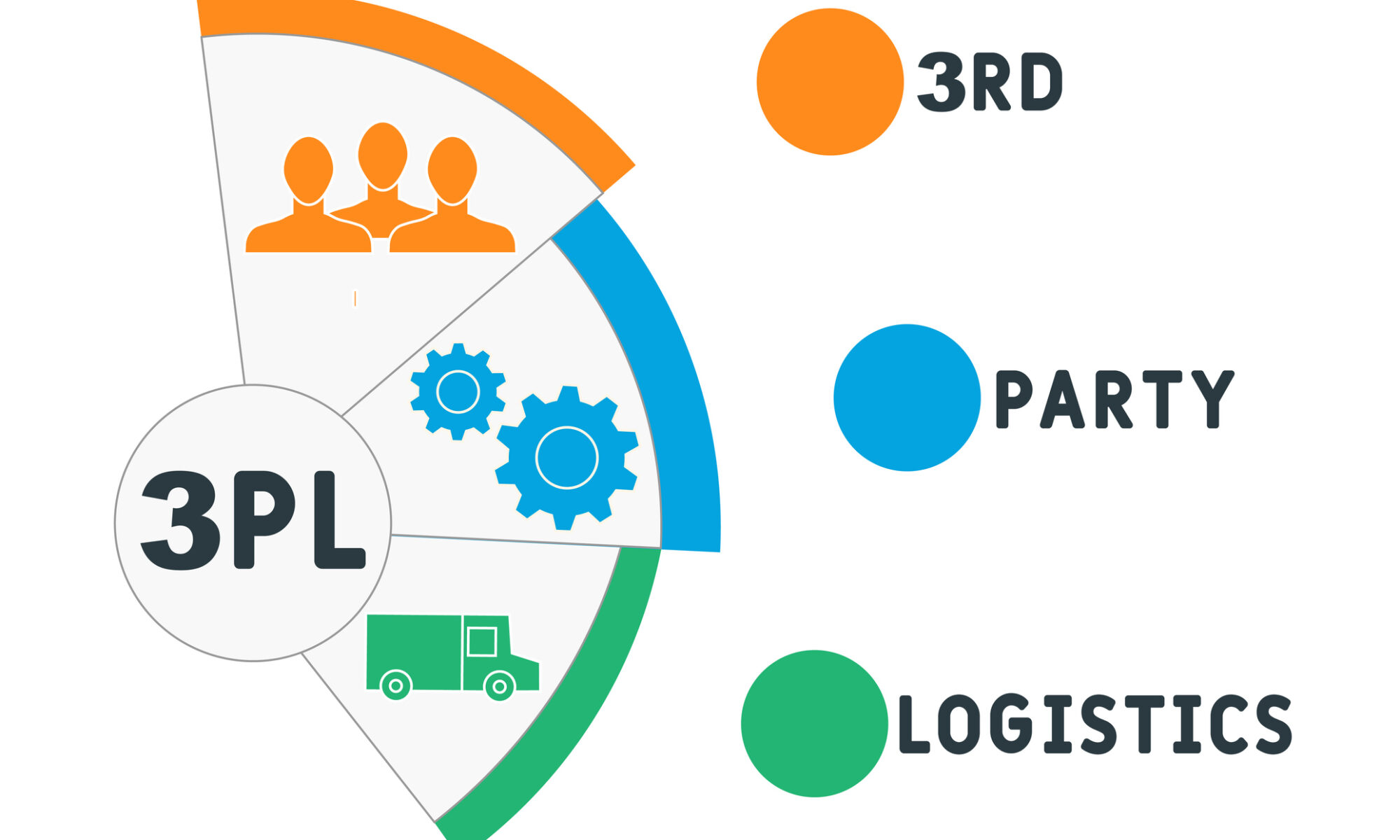
3PL - Third Party Logistics Diagram

When you’re trying to grow your small business, handling all of the tasks involved in your supply chain can be challenging and time-consuming. The use of third-party logistics (3PL), such as a fulfillment warehouse, can take these tasks off your hands, so you can focus on other aspects of your business. Using 3PL warehouse solutions offers the following benefits for small businesses.

Better Customer Satisfaction

Using a 3PL warehouse means your customers can receive their packages on time. This helps your business build a reputation for being reliable. Timely package shipping and deliveries result in customers who are more satisfied with your business.

Reduced Costs

A 3PL warehouse solution can help your small business save on operating costs and other expenses. Using this type of service means you won’t have to spend money on renting a warehouse, transporting goods, and handling other logistics tasks on your own.

Expanded Markets

Using a 3PL warehouse can make it easier and more cost-effective for your business to expand into new markets. You’ll have greater access to other markets, while saving money on the cost of managing inventory in these markets.

Increased Scalability

When you use 3PL solutions, you’ll have the adjust the use of supply chain resources based on how busy your business currently is. This scalability helps reduce waste when business is slow or quickly meet customer needs when business picks up.

Knowledge and Expertise

Relying on a 3PL warehouse to handle your fulfillment needs means you can depend on their expertise and guidance. They can help you expand into new markets, including overseas markets, while ensuring compliance with international regulations.

If you need a dependable fulfillment warehouse to help your business grow, please contact Medallion Fulfillment and Logistics to learn more about our services.

Four Tips About Selling On Amazon and the Benefits of 3PL

Consider Medallion Fulfillment & Logistics for your Fulfillment Warehouse

When you have products to sell online, Amazon offers a convenient way to market your products and process sales, but keep in mind that it’s not foolproof. You’ll need to spend time and effort making the most of your Amazon store in order to attract customers and grow your business, which includes exploring third-party logistics (3PL) provider options for fulfillment and shipping. From marketing your goods to using a fulfillment company to meet customer demand, the following tips can help you sell on Amazon.

Build Your Brand

Amazon won’t bring customers to your Amazon shop for you. As the store owner, you’ll need to find ways to drive traffic to your shop. This involves optimizing pages for each product you sell, gathering positive reviews, and earning a reputation for providing outstanding service.

Become a Professional Seller

Anyone can sell products on Amazon, so it’s important to stand out. Registering as a professional seller provides you with a good way to set your online shop apart from individuals who are selling similar products. When you have a professional seller account, you’ll also save money, since there aren’t any listing fees for these accounts.

Fulfill Orders Promptly

Processing and fulfilling orders as quickly as possible is essential in order to succeed as a seller on Amazon. Having a fulfillment warehouse available to help you meet these needs is important, especially as your business grows.

Focus on Customer Service

Customer service is the key to thriving on Amazon. Come up with policies that help keep customers satisfied, such as replacing products quickly or issuing refunds. Reach out to customers who leave negative reviews to learn more about how you can improve.

If you’re searching for a reliable fulfillment company to help your online business, please contact Medallion Enterprises.

Google Ups Its Game in eCommerce with a New Deep Shopify Connection

As Amazon continues its quest to strong-arm eCommerce retailers into submission, another online giant has decided not to roll over. Google, which holds a commanding 90 percent of the search engine market, has joined forces with top eCommerce platform Shopify to challenge Amazon’s dominance.

Google Takes on Amazon

While Google has so far been only peripherally involved in online retailing, Amazon has been encroaching on Google Ads, which was the recipient of more than 50 percent of digital ad revenues in 2020. However, Amazon grew their own advertising market share from 13.3 percent to 19 percent during the same time.

With more than half of online shopping excursions beginning at Amazon, advertising was a logical extension of their other services. Similarly, Google recognized the opportunity to leverage their own robust ad business into providing an alternative for small and mid-sized eCommerce retailers who feel stifled by the lack of options.

The Changing Focus at Google

The new venture is the brainchild of Bill Ready, who joined Google in January 2020 as the company’s President of Commerce and Payments. Ready had previously served as COO of PayPal and CEO of Venmo and Braintree.

Ready’s arrival at Google coincided with the onset of the unprecedented global pandemic, which in turn triggered a seismic leap in the already robust eCommerce industry. Shortly thereafter, Ready took the first step in shifting Google’s strategy by offering online retailers free listings in Google Shopping.

So, what exactly is the new Google Shopping? What it’s not, according to Ready, is an eCommerce retailer or marketplace. In a blog post sent to Forbes in early May, Ready referred to it as a platform for consumers to discover a wide range of products across a spectrum of sellers, from national big-box stores to small independent retailers.

Days later came Google’s I/O Developer conference, during which Ready officially announced the company’s partnership with Shopify. He expounded on his vision of the venture as part of an overall plan to “democratize” eCommerce with a “free and open” system for consumers and retailers alike.

Why Google Shopping?

Here’s a look at what to expect from Google Shopping now and in the future:

• With just a few clicks, merchants in Shopify’s network of 1.7 million+ retailers can install the platform’s Google channel to auto sync their inventory. They can also link a new or existing Google Ads account, and the free listings policy will continue.

• Shopify sellers can feature their products on heavily trafficked Google platforms, including Maps, Images, Search, Lens and YouTube. More than 1 billion “shopping journeys” occur on these platforms daily, making them fertile sites for new customers.

• Google’s powerful access to comprehensive sets of data will power Shopping Graph, an AI-generated model that makes connections between products, sellers and brands. In an example of this synergy, when a shopper views images of products in Photos, it will trigger a suggestion to search for places to buy the items via Lens.

• Amazon isn’t the only online presence in Google’s crosshairs. The company is testing a program that allows YouTube users to shop for products they discover through their favorite content creators. This is in response to the growing presence of TikTok and Facebook in the eCommerce arena.

Coast-to-Coast Fulfillment Services to Fit Your Needs

How do you set yourself apart in the competitive eCommerce field? Sophisticated shoppers insist on exceptional service, rapid delivery, and complete responsiveness. Let Medallion Fulfillment & Logistics handle your storage and shipping needs while you focus on growing your business.

Our scalable, cost-effective solutions include our Amazon replenishment program. Contact us today to learn more.