Driving Traffic to Your Ecommerce Website: A Business Owner’s Guide

Ecommerce website traffic building strategies.

As the owner of Medallion Fulfillment, I see a lot of products come and go through our fulfillment warehouse doors. The businesses that consistently keep our team busy packing and shipping orders all share one common trait: they know how to drive traffic to their online stores.

Building a beautiful website is only the first step. If no one visits your shop, the best products in the world will just sit on the shelves. Whether you are just starting out or looking to break through a sales plateau, understanding how to attract qualified visitors is essential for growth.

Traffic is the lifeblood of your ecommerce business. It brings potential customers to your virtual doorstep, boosts your brand’s visibility, and ultimately leads to the sales that keep companies like yours—and partners like mine—thriving. Here are the strategies I’ve seen work time and again for our most successful clients.

SEO Optimization: The Foundation of Visibility

Search Engine Optimization (SEO) might sound technical, but it is simply the process of making your store easy for search engines like Google to understand and recommend. When done right, it brings in “organic” traffic—visitors who find you naturally without you paying for every click.

Keyword Research

You can’t optimize your site if you don’t know what your customers are looking for. Keyword research involves identifying the specific terms and phrases potential buyers type into search engines.

Start by finding high-value keywords relevant to your niche. You want a mix of broad terms (like “running shoes”) and specific, long-tail keywords (like “women’s trail running shoes size 8”). Tools like Google Keyword Planner or SEMrush can help you uncover these terms. By weaving these keywords naturally into your product descriptions and pages, you signal to Google that your site has exactly what the searcher needs.

Meta and Alt Tags

These are the behind-the-scenes details that matter more than you think.

  • Meta Tags: These include your page title and meta description. They are what users see in the search results. A compelling meta description acts like a mini-ad, enticing people to click on your link over a competitor’s.
  • Alt Tags: These are descriptions applied to images. Since search engines can’t “see” pictures, alt tags tell them what the image is about. This not only helps with ranking but is crucial for accessibility, allowing visually impaired users to understand your content.

Header Tags

Structure matters. When I walk through our warehouse, I rely on clear signage to know where inventory is stored. Google relies on header tags (H1, H2, H3) to navigate your content.

  • H1: This is your main title. It should include your primary keyword.
  • H2 and H3: These are your subheadings. They break up text and make it easier for both humans and search bots to digest information.

Mobile Optimization

Smartphones account for a massive chunk of retail traffic—over 77% globally by some estimates. If your site is clunky or slow on a phone, visitors will leave instantly. Google also prioritizes mobile-friendly sites in its rankings. Ensure your design is responsive, meaning it adjusts seamlessly to any screen size, and check that your buttons are large enough to be tapped easily.

Content Marketing: providing Value First

Content marketing is about answering questions and solving problems before asking for a sale. It builds trust, and trust is what turns a visitor into a customer.

Blogging

A blog is one of the most effective tools for driving traffic. It allows you to target keywords that wouldn’t fit naturally on a product page. For example, if you sell camping gear, a product page sells a tent, but a blog post can explain “The Top 5 Campsites for Families.”

By creating valuable, engaging content, you position your brand as an industry expert. When people find your helpful guides, they are already halfway to trusting your products. Plus, fresh content gives search engines a reason to crawl your site more often, which can boost your overall rankings.

Social Media Marketing

Social media is where your customers hang out when they aren’t shopping. It is your chance to build a personality for your brand and engage directly with your audience.

Don’t just post product photos. Engage with your followers. Reply to comments, share user-generated content, and use stories to show the human side of your business. Each platform has its own vibe—Instagram and TikTok are visual and great for product demos, while LinkedIn might be better for B2B connections. The goal is to build a community that clicks through to your site not just because they want to buy, but because they like you.

Paid Advertising

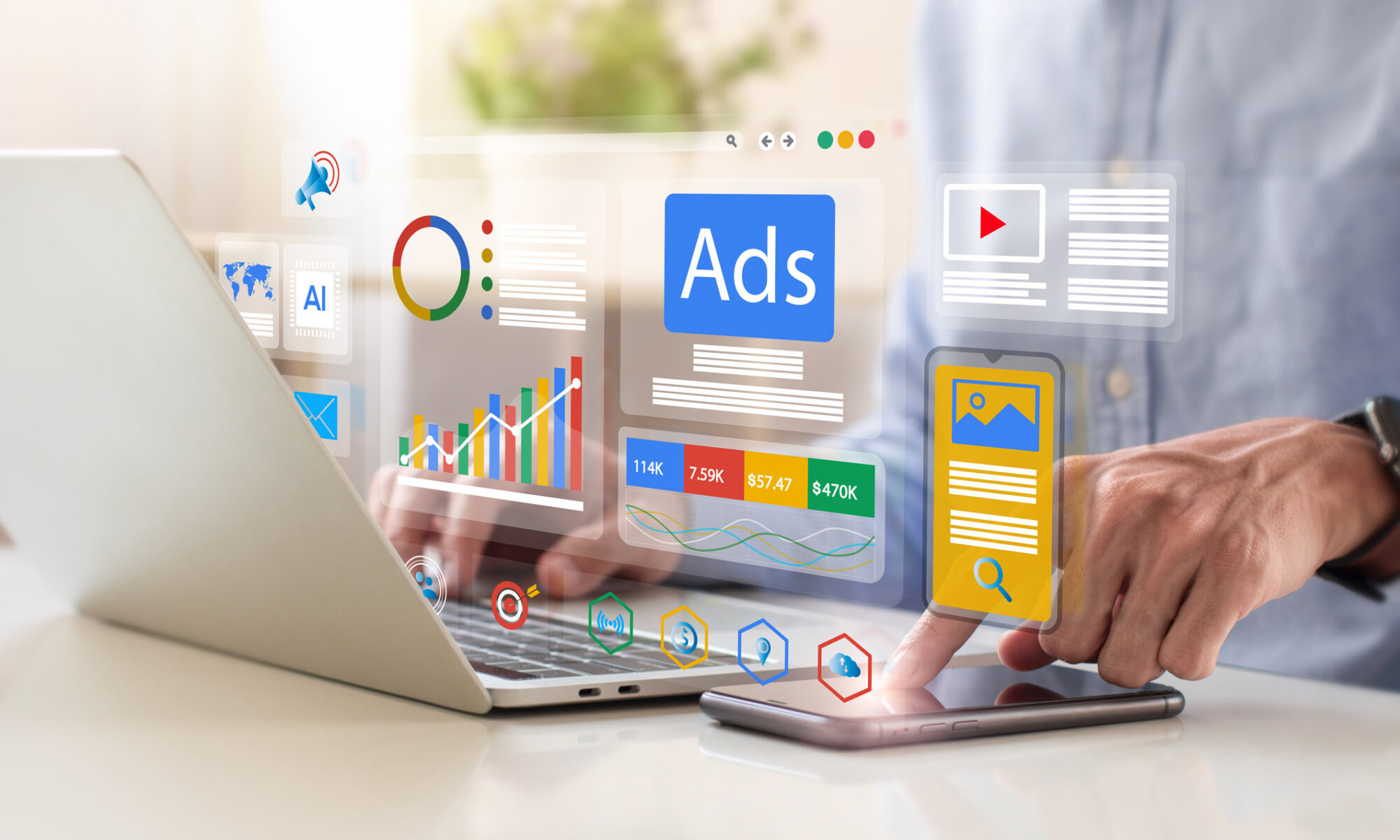
While SEO creates long-term growth, paid advertising is like a faucet you can turn on for instant traffic. It allows you to place your products directly in front of high-intent shoppers.

Running targeted ad campaigns on Google or social media ensures your budget is spent on the right people. Google Shopping ads are particularly powerful for ecommerce because they show the product image and price right in the search results. Social media ads allow for incredible targeting precision, letting you show ads to people based on their interests, behaviors, and demographics.

Email Marketing

Most people won’t buy from you the first time they visit your site. That is why capturing their email address is vital.

Email marketing allows you to own your audience. You aren’t at the mercy of a social media algorithm. By building an email list, you can send targeted campaigns about new arrivals, sales, or helpful content directly to their inbox. It remains one of the highest ROI channels because you are marketing to people who have already raised their hand and said, “I’m interested.”

Influencer Marketing

People trust people more than they trust brands. Influencer marketing leverages this by having a trusted figure vouch for your product.

Collaborating with influencers allows you to tap into their established audience. You don’t always need a celebrity with millions of followers; often, “micro-influencers” with smaller, highly engaged followings in your specific niche deliver better results. When they share your product with their audience, it serves as social proof, driving high-quality traffic to your site that is primed to purchase.

Work with Medallion Fulfillment as Your Partner

Let’s face it: as your traffic strategies start to pay off, you are going to face a new challenge—fulfillment. Increased traffic leads to increased orders, and suddenly, you might find yourself spending more time packing boxes than growing your business.

That is where we come in.

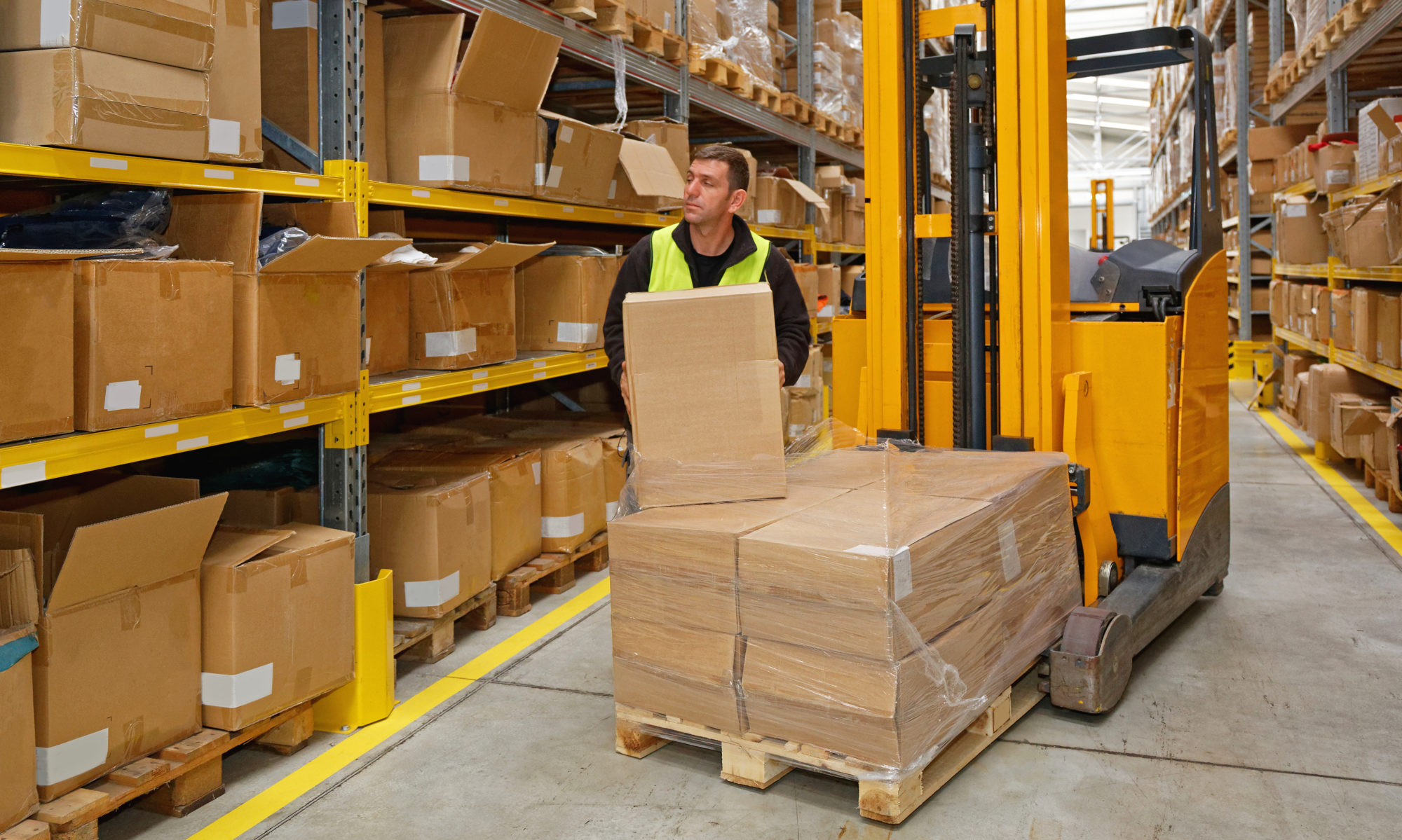
At Medallion Fulfillment & Logistics, we handle the heavy lifting so you don’t have to. We specialize in working with growing businesses to manage their inventory, pick and pack orders, and ship them out quickly and accurately.

  • Scalability: When your marketing campaign goes viral, we have the staff and space to handle the spike in volume without you breaking a sweat.
  • Cost Savings: We have established relationships with carriers, often securing better shipping rates than you could get on your own.
  • Customer Satisfaction: Fast, accurate shipping keeps those new customers coming back.

Partnering with an experienced fulfillment warehouse allows you to focus on what you do best—driving traffic and sales—while knowing the logistics are in expert hands.

Take the Next Step for Your Business

Driving traffic to your ecommerce website requires a mix of patience, strategy, and experimentation. You don’t have to do everything at once. Start with a solid SEO foundation, layer in some content marketing, and test the waters with paid ads.

Monitor your results, see what brings in the best customers, and double down on those strategies. And remember, when the orders start rolling in faster than you can pack them, Medallion Fulfillment is here to help you scale.

Contact us today to learn how our innovative, affordable fulfillment solutions can support your growing business.

The Lizard That Ate My Living Room: A Case Study in Accidental Success

Image created in Gemini to match the theme of this blog post and fictional case study.

How one viral startup went from cardboard chaos to global shipping— without losing its mind. A fictional case study, but you may see yourself in this article.

Sarah Evans was a Junior Art Director who spent her days making logos for gluten-free dog treats and her nights staring at the ceiling, wondering if she was actually good at anything. She channeled this existential dread into a sewing project.

One rainy Sunday, Sarah created “Gary.”

Gary was the Imposter Syndrome Iguana. He was a four-foot-long, ten-pound weighted plush reptile. He had massive, anxious eyes that seemed to look in two different directions, and he wore a tiny, removable polyester necktie.

He was ridiculous. He was lumpy. And his tag read: “I have no idea what I’m doing, and neither do you. Let’s cuddle.”

Sarah put Gary on her Shopify store, “The Anxious Zoo,” mostly as a joke to show her mom she was “diversifying her portfolio.” She posted a 12-second video on TikTok of Gary sitting at a laptop, looking overwhelmed by an Excel spreadsheet, with the caption: “Me pretending to understand the meeting.”

Then, she went to bed.

The Monday Morning Doom-Scroll

When Sarah woke up, her phone was vibrating so hard it had walked itself off the nightstand.

The video had 6.5 million views.

The comments were a wall of desperation:

  • “I NEED GARY.”
  • “Is he available in corporate grey?”
  • “I have never felt so seen by a reptile.”
  • “Take my money. TAKE IT.”

Sarah opened her Shopify app. She usually saw zero to three orders a month. Today, the number didn’t look real.

3,200 Orders.

Sarah did the math. She had fabric for four lizards. She had one sewing machine. And she lived in a 700-square-foot walk-up apartment in the city.

“Oh no,” Sarah whispered.

The Descent into Cardboard Madness

The next four weeks were a blur of caffeine, polyester stuffing, and regret.

Sarah pre-sold the inventory, ordered a shipping container of fabric, and hired her three roommates to help stuff lizards in the living room. But manufacturing was the easy part. The real nightmare was the fulfillment.

Have you ever tried to pack a four-foot-long weighted iguana into a box? It is not graceful. It requires wrestling. It requires bending a stuffed animal into a yoga pose while taping a box shut with your teeth.

Sarah’s apartment ceased to be a home. It became a warehouse. The sofa was gone, buried under a mountain of size #4 boxes. The shower was used to store rolls of bubble wrap. The kitchen island was the “labeling station,” which meant every meal Sarah ate tasted faintly of adhesive.

The romance of being a “Small Business CEO” died quickly.

Sarah wasn’t designing anymore. She wasn’t marketing. She was a professional box-taper. She was spending six hours a day printing labels, three hours dealing with jammed printers, and four hours driving her Honda Civic back and forth to the Post Office.

The Post Office employees hated her. When Sarah walked in with her Ikea bags full of lumpy packages, the line went silent. The clerk, a woman named Barbara, would sigh the sigh of a thousand weary souls.

The Cracks Begin to Show

By Week Six, the adrenaline was gone. In its place was pure burnout.

Mistakes were happening. In her sleep-deprived haze, Sarah accidentally swapped labels.

  • A customer in Seattle who ordered a “Gary” received a bag of stuffing and a pair of scissors Sarah had lost.
  • A customer in London emailed to say their package had been stuck in “Customs Purgatory” for three weeks because Sarah filled out the commercial invoice wrong.

The emails piled up.

  • “Where is my lizard?”
  • “My tracking number doesn’t work.”
  • “I ordered this for a mental health break and now I am more stressed.”

Sarah was making more money than she had ever made in her life, but she was miserable. She was drowning in her own success. She realized she had become the very thing Gary represented: a fraud. She wasn’t a business owner; she was a hoarder with a shipping account.

She sat on the floor, surrounded by 400 unfulfilled orders, and cried into Gary’s weighted stomach.

“I need help,” she told the plush toy. Gary stared back, eyes wide and anxious.

The Search for Sanity

Sarah opened her laptop. She typed: “Fulfillment companies that won’t laugh at my lizard.”

She was terrified of Third-Party Logistics (3PL). She assumed they were only for the big guys—the Nikes and Amazons of the world. She assumed they would require a minimum of 50,000 units, or that they would charge her hidden fees for “irregularly shaped reptiles.”

She called three big firms. Two didn’t answer. One told her she was “too small of a fish” (ironic, given the reptile theme).

Then, she found Medallion Fulfillment & Logistics.

She dialed the number, expecting a robot. Instead, she got a human.

Medallion Fulfillment, how can we help you grow?

“Hi,” Sarah croaked. “I have a weird situation. I have… thousands of weighted iguanas. And I can’t see my floor anymore.”

The voice on the other end didn’t laugh. They didn’t ask if she was crazy. They asked about her SKU count. They asked about her average order volume. They asked about her integration needs.

“We can handle Gary,” the rep said confidently. “We handle weird. Weird is our specialty. Let’s get you integrated.”

The Rescue Mission

The onboarding wasn’t the scary corporate interrogation Sarah expected. It was a partnership.

Medallion hooked directly into her Shopify store. They set up the parameters. They explained how they would receive the bulk inventory directly from her manufacturer (so the fabric never had to touch her apartment again).

Three days later, a truck arrived at Sarah’s building.

It was the most beautiful sight she had ever seen. Professional movers loaded the pallets of Garys. They cleared the hallway. They liberated the shower from the bubble wrap.

As the truck drove away, taking the logistics nightmare to Medallion’s secure warehouse, Sarah stood on the sidewalk. She took a deep breath. The air didn’t smell like cardboard dust. It smelled like freedom.

The New Normal

The real magic happened the following Tuesday.

Another influencer, a famous tech CEO, tweeted a picture of Gary the Iguana sitting in a boardroom chair.

“New hire is killing it,” the tweet read.

Orders spiked. 5,000 units in four hours.

In the old days, this would have triggered a panic attack. Sarah would have been hyperventilating.

Instead, Sarah sat at a coffee shop, drinking a latte. She watched the orders ping on her phone.

  • Order #9042: Received.
  • Status: Picked. Packed. Shipped.

She refreshed the page. Medallion’s team was processing orders faster than she could print a single label. They were getting shipping rates Sarah couldn’t access as a solo shipper. They handled the international customs forms for the London orders.

When a customer in Miami wanted to return a Gary because “he looked too judgmental,” Medallion handled the return logistics. Sarah didn’t have to touch a single roll of tape.

The Lesson

Six months later, “The Anxious Zoo” has expanded. Sarah now sells “The Burnout Badger” and “The Micro-Manager Mantis.” She is scaling rapidly, selling internationally, and sleeping eight hours a night.

She is no longer a professional box-packer. She is a Creative Director and CEO.

The moral of the story? Viral success is the dream, but without the logistics to back it up, it’s a trap. You didn’t start your business to memorize shipping zones, fight with tape guns, or alienate your local post office workers. You started it to create, to sell, and to grow.

Don’t be like Sarah in Month One. Don’t let your success bury you in cardboard.

Whether you’re selling high-tech gadgets, organic supplements, or four-foot weighted lizards wearing ties, your job is the vision. Let the experts handle the heavy lifting.

Don’t let your logistics be an imposter.

Is your living room becoming a warehouse?

Medallion Fulfillment & Logistics isn’t just a shipping dock; we are your growth partner. From family-owned startups to viral sensations, we handle the picking, packing, and shipping so you can focus on the next big idea.

We offer:

  • Seamless Integration: We plug right into your e-commerce platform.
  • Scalability: Whether you ship 50 orders or 50,000, we have the space.
  • Human Support: Real people who understand your product (even if it’s a lizard).

Contact Medallion Fulfillment & Logistics Today Let us handle the boxes. You handle the business.

This is a fictional case study, but if you see yourself as a Sarah, Medallion Fulfillment & Logistics is here to help. We are a family operated business with a laser beam focus on helping your business grow.