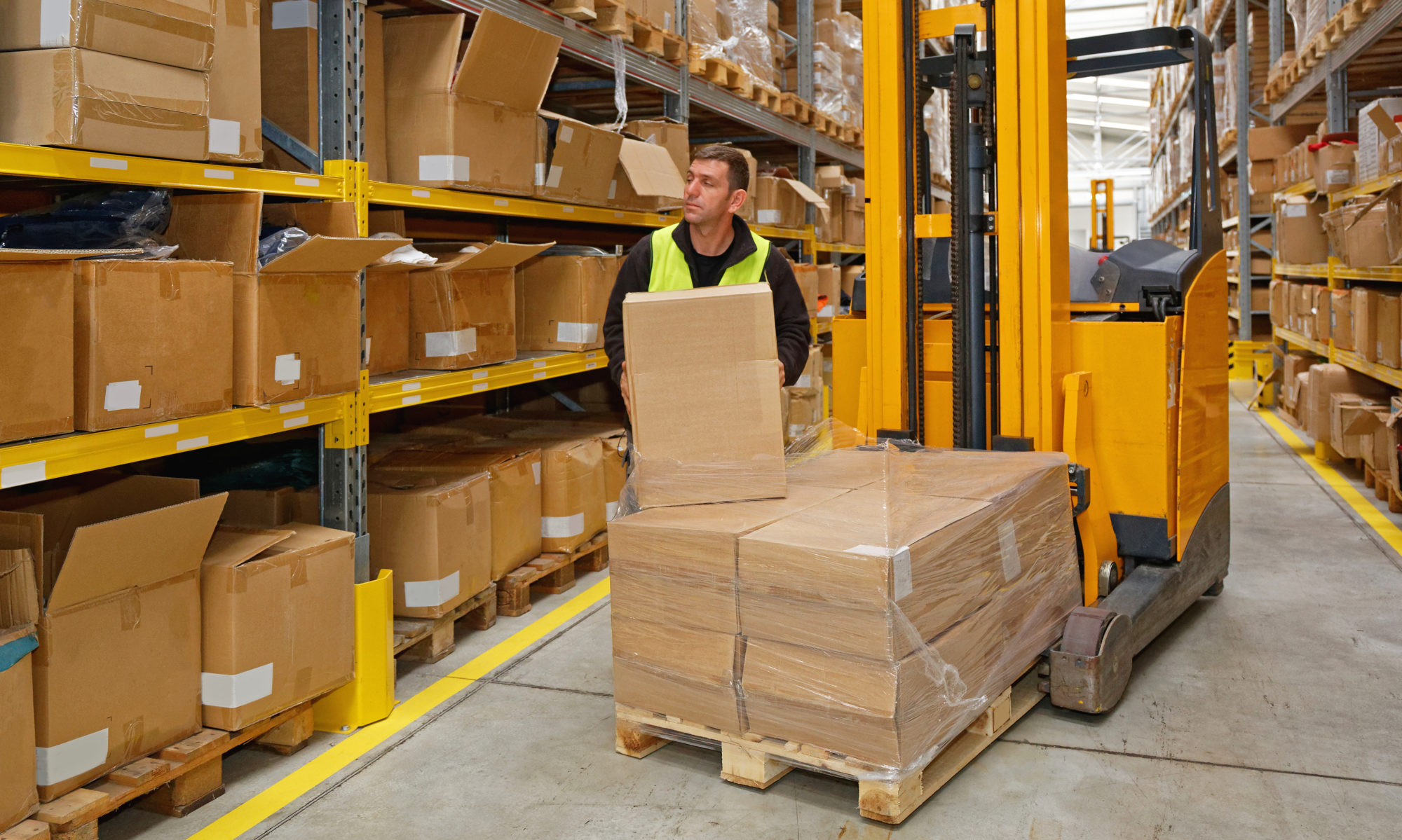
4 Benefits of Outsourcing Your Order Fulfillment to a Professional Company

Outsourcing Ecommerce Fulfillment to a Fulfillment Company

Fulfilling orders is a time-consuming process for business owners, but it’s also an essential one for customer satisfaction. Getting order processed, packed, and shipped as quickly and efficiently as possible helps ensure that customers receive their orders promptly. Outsourcing these tasks to a fulfillment company offers an efficient way to ensure they’re handled without delay. Companies can expect the following benefits when partnering with fulfillment companies.

1. Quicker Deliveries

Many customers expect to receive orders as quickly as possible, which can be a challenge for business owners. Working with a fulfillment company means that businesses have access to faster delivery services, so customers can get their orders in a shorter timeframe. This can boost customer satisfaction and generate more business.

2. Cost Savings

Companies can save money while working with fulfillment companies. These companies typically offer discounted prices on bulk shipments, as well as competitive rates for shipping overall. This can help companies save money on the cost of fulfilling orders, especially if they tend to have large order volumes.

3. Time Savings

Processing orders, managing inventory, packing orders, and shipping them out can take up a considerable amount of time for business owners. Fulfillment companies can take care of these tasks, so that business owners can spend time on other tasks involved with running a successful company.

4. Optimized Fulfillment Process

Fulfillment companies are able to handle every step of the fulfillment process as efficiently as possible, from processing orders to shipping them. Whether businesses have a single warehouse or multiple warehouses, fulfillment companies can optimize the fulfillment process to ensure speed and efficiency.

If you need a dependable fulfillment company for your business, contact Medallion Fulfillment and Logistics to learn more about our services. We provide high-quality fulfillment services to help companies increase efficiency and customer satisfaction.

Future of 3PL: Trends and Innovations to Watch Out For

3PL Service Provider Infographic

The dynamic world of e-commerce is constantly evolving, and Third-Party Logistics (3PL) providers play a crucial role in this transformation. As e-commerce businesses strive to meet growing customer demands and stay ahead of the competition, it’s essential to understand the future trends and innovations in 3PL that will shape the industry. In this blog post, we will explore the current role of 3PL in e-commerce, emerging trends, groundbreaking innovations, and their impact on e-commerce businesses.

Current Role of 3PL in E-commerce

Third-Party Logistics providers are the backbone of many e-commerce operations. They offer a range of services, including fulfillment, warehousing, and shipping, enabling e-commerce businesses to focus on their core activities, such as marketing and product development. The efficiency and expertise provided by 3PL companies allow e-commerce businesses to scale rapidly and meet customer expectations for fast and reliable deliveries.

Fulfillment services are one of the primary roles of 3PL providers. They manage the entire order fulfillment process, from picking and packing products to shipping them to customers. This ensures that e-commerce businesses can deliver a seamless shopping experience while minimizing errors and delays. By outsourcing fulfillment to a specialized 3PL company, e-commerce businesses can reduce operational costs and improve overall efficiency.

Warehousing is another critical function of 3PL providers. They offer storage solutions tailored to the needs of e-commerce businesses, ensuring that products are stored securely and efficiently. This includes inventory management, real-time tracking, and optimized storage layouts. By leveraging the warehousing capabilities of 3PL providers, e-commerce businesses can maintain accurate stock levels and respond quickly to changes in demand.

Shipping is the final link in the e-commerce supply chain, and 3PL providers excel in this area. They have established relationships with multiple carriers, allowing them to negotiate better rates and ensure timely deliveries. Additionally, 3PL providers often offer value-added services such as returns management and last-mile delivery solutions, further enhancing the customer experience.

Emerging Trends in 3PL

The 3PL industry is continually evolving, driven by advancements in technology and changing customer expectations. Some of the most significant trends shaping the future of 3PL include automation in warehouses, artificial intelligence (AI) for supply chain management, and sustainable practices.

Automation in warehouses is becoming increasingly prevalent as businesses seek to improve efficiency and reduce labor costs. Automated systems, such as robotic pickers and conveyor belts, can significantly speed up the order fulfillment process while minimizing errors. Additionally, automated warehouses can operate around the clock, ensuring that e-commerce businesses can meet the growing demand for fast and reliable deliveries.

Artificial intelligence (AI) is another emerging trend in the 3PL industry. AI-powered tools can analyze vast amounts of data to optimize supply chain operations, from demand forecasting to inventory management. By leveraging AI, 3PL providers can make more informed decisions, reducing costs and improving overall efficiency. For example, AI can help 3PL providers predict peak demand periods and adjust their operations accordingly, ensuring that e-commerce businesses can maintain high service levels.

Sustainable practices are also gaining traction in the 3PL industry as businesses and consumers become more environmentally conscious. 3PL providers are increasingly adopting green initiatives, such as electric delivery vehicles and energy-efficient warehouses, to reduce their carbon footprint. By partnering with eco-friendly 3PL providers, e-commerce businesses can demonstrate their commitment to sustainability and appeal to environmentally conscious consumers.

Conclusion

The future of 3PL is bright, with numerous trends and innovations set to transform the industry. By staying informed and adapting to these changes, e-commerce businesses can remain competitive and continue to meet the evolving needs of their customers. From improved efficiency and sustainability to greater transparency and security, the benefits of future 3PL innovations are clear. To stay ahead of the curve, e-commerce businesses should consider partnering with forward-thinking 3PL providers and investing in the latest technologies.

Navigating and Preventing Expensive Stockout Costs with Your Fulfillment Warehouse Pt 2

Out of Stock & Preventing Stockout

Last week we covered what stockouts are and ways they can occur. This week we will be discussing ways we can prevent stockouts and the expenses that go along with them.

Tips for Preventing Stockouts

Preventing stockouts requires a combination of strategic planning and proactive measures. Here are some tips to help you keep your inventory levels in check and avoid costly stockouts:

Safety Stock

Maintaining safety stock is a key strategy for preventing stockouts. Safety stock acts as a buffer against unexpected demand fluctuations and supply chain disruptions. By keeping a small reserve of inventory on hand, you can fulfill customer orders even during periods of high demand or supplier delays.

Automated Inventory Tracking

Automated inventory tracking systems can significantly reduce the risk of stockouts. These systems provide real-time visibility into your inventory levels, alerting you when stock is running low and automatically generating reorder requests. This ensures that you always have enough stock on hand to meet customer demand.

Diversifying Suppliers

Relying on a single supplier can be risky, as any issues they face can directly impact your inventory levels. Diversifying your supplier base can help mitigate this risk by providing alternative sources of supply. This way, if one supplier experiences delays or shortages, you have backup options to ensure uninterrupted stock availability.

The Cost of Overstock

While preventing stockouts is important, it’s equally crucial to avoid overstocking. Overstocking can tie up valuable capital, increase storage costs, and lead to potential product obsolescence. Balancing your inventory levels is essential for maintaining optimal cash flow and minimizing unnecessary expenses.

Conclusion

Stockouts can have a significant impact on small businesses and e-commerce retailers, leading to lost sales, dissatisfied customers, and damaged reputations. By understanding stockout costs and implementing effective strategies for navigating and preventing stockouts, you can ensure smooth operations and sustained growth.

Take proactive measures today to optimize your inventory management, build strong supplier relationships, and leverage advanced forecasting tools. By doing so, you’ll not only minimize the risk of stockouts but also position your business for long-term success.

Navigating and Preventing Expensive Stockout Costs with Your Fulfillment Warehouse Pt 1

Preventing Stockout costs by Taking Inventory

In the fast-paced world of small business and e-commerce, stockouts can be a major headache. They not only lead to missed sales opportunities but also damage your reputation and customer trust. Understanding and preventing stockout costs is crucial for ensuring smooth operations and sustained growth.

Understanding Stockout Costs

Stockout costs are the expenses incurred when your products are out of stock. These costs include lost sales, disappointed customers, and potential long-term damage to your brand’s reputation. Calculating these costs involves considering direct losses from missed sales, indirect losses from customer dissatisfaction, and future losses from decreased customer loyalty.

The Impact of Stockouts on Small Businesses

Small businesses are particularly vulnerable to stockouts due to limited inventory and resources. When a product is out of stock, you not only lose the immediate sale but also risk alienating customers who may turn to competitors. For e-commerce retailers, the impact can be even more significant as online shoppers expect quick and reliable service.

Strategies for Navigating Stockouts

Navigating stockouts requires a proactive approach to demand forecasting, inventory management, and supplier relationships. By accurately predicting demand, optimizing inventory levels, and maintaining strong relationships with suppliers, you can minimize the risk of stockouts and keep your customers satisfied.

Demand Forecasting

Effective demand forecasting is the foundation of successful inventory management. By analyzing past sales data, market trends, and seasonal patterns, you can anticipate future demand and adjust your inventory levels accordingly. Utilizing advanced forecasting tools and software can help you make more accurate predictions and reduce the likelihood of stockouts.

Inventory Management

Implementing robust inventory management practices is essential for preventing stockouts. This includes regularly monitoring stock levels, setting reorder points, and maintaining a balanced inventory. Utilizing inventory management software can streamline these processes and provide real-time insights into your stock levels, helping you avoid unexpected shortages.

Supplier Relationships

Building strong relationships with reliable suppliers is crucial for navigating stockouts. By maintaining open communication and establishing clear expectations, you can ensure timely deliveries and reduce the risk of supply chain disruptions. Additionally, having backup suppliers in place can provide a safety net in case your primary supplier faces issues.

A Comprehensive Guide to Navigating 3PL Services for Small Businesses Pt 2

3PL Services Guide

Last week we discussed what a 3PL services are and how they would benefit your small business. This week we will go over how to select the best 3PL partner for your business.

Making the Right Choice: Criteria for Selecting the Best 3PL Partner

Choosing the right 3PL partner can make or break your business. Here are some critical criteria to consider:

Industry Experience

Look for a 3PL provider with experience in your industry. They’ll understand the specific challenges you face and offer tailored solutions. Check their track record and client testimonials to gauge their expertise.

Technology and Integration

As a modern 3PL provider we offer advanced technology for inventory management, order tracking, and data analytics. Our systems can integrate seamlessly with your existing platforms, like your e-commerce site or ERP system.

Scalability

Your business will grow, and your logistics needs will evolve. Choose a 3PL partner that can scale with you. We are able to handle increased order volumes, new product lines, and expanding geographic markets as we have warehouses on the East and West coast

The Benefits of Using 3PL for Small Businesses and E-commerce Startups

Outsourcing logistics to a 3PL provider offers several advantages:

Cost Savings

By outsourcing logistics, you save on warehousing, labor, and transportation costs. 3PL providers leverage economies of scale, offering competitive rates that you couldn’t achieve on your own.

Focus on Core Competencies

With a 3PL handling your logistics, you can focus on what you do best—whether that’s product development, marketing, or customer service. This leads to better overall business performance.

Enhanced Customer Experience

Timely and accurate order fulfillment enhances customer satisfaction. 3PL providers offer faster shipping options, real-time tracking, and efficient returns management. Happy customers are more likely to become repeat buyers.

The Role of 3PLs in Ecommerce

In the e-commerce landscape, 3PL providers play a critical role in ensuring smooth operations. Here’s how they contribute:

Streamlined Shipping

E-commerce is all about speed. 3PL providers offer multiple shipping options, including same-day and next-day delivery, to meet customer expectations. They work with various carriers to find the best rates and routes.

Multi-channel Fulfillment

Many e-commerce businesses sell on multiple platforms—Amazon, eBay, their own website, and more. A 3PL partner can manage orders from all these channels, ensuring a seamless experience for your customers.

Returns Management

Handling returns can be a logistical nightmare. 3PL providers offer efficient returns management, processing returns quickly and restocking items promptly. This improves customer satisfaction and reduces losses.

The Importance of 3PL for Small Business Owners

For small business owners, the importance of 3PL cannot be overstated. Here’s why:

Access to Expertise

3PL providers bring industry expertise that small businesses typically lack. They stay updated on the latest trends, regulations, and best practices, ensuring your logistics operations are top-notch.

Flexibility and Adaptability

The business landscape is constantly changing. Whether it’s seasonal demand fluctuations or sudden market shifts, 3PL providers offer the flexibility to adapt quickly. This resilience is crucial for small businesses.

Competitive Advantage

Outsourcing logistics to a reliable 3PL provider gives you a competitive edge. You can offer faster shipping, better customer service, and lower prices, setting you apart from competitors.

Key Takeaways for Small Businesses Considering 3PL

If you’re considering integrating 3PL into your business strategy, here are some key takeaways:

Evaluate Your Needs

Assess your current logistics operations and identify areas where a 3PL provider can add value. This will help you choose the right partner and services.

Start Small

You don’t have to outsource everything at once. Start with one aspect of your logistics, such as warehousing or order fulfillment, and expand as you see positive results.

Monitor Performance

Regularly review the performance of your 3PL provider. Use key metrics like delivery times, order accuracy, and customer feedback to ensure they’re meeting your expectations.

The Importance of 3PL for Small Business

In conclusion, 3PL providers offer invaluable support for small businesses and e-commerce startups. They bring expertise, technology, and scalability that can transform your logistics operations. By choosing the right partner and leveraging their services, you can focus on growing your business and delivering exceptional customer experiences.

Ready to take your business to the next level? Explore our 3PL solutions and contact us to find the perfect partner to streamline your logistics.