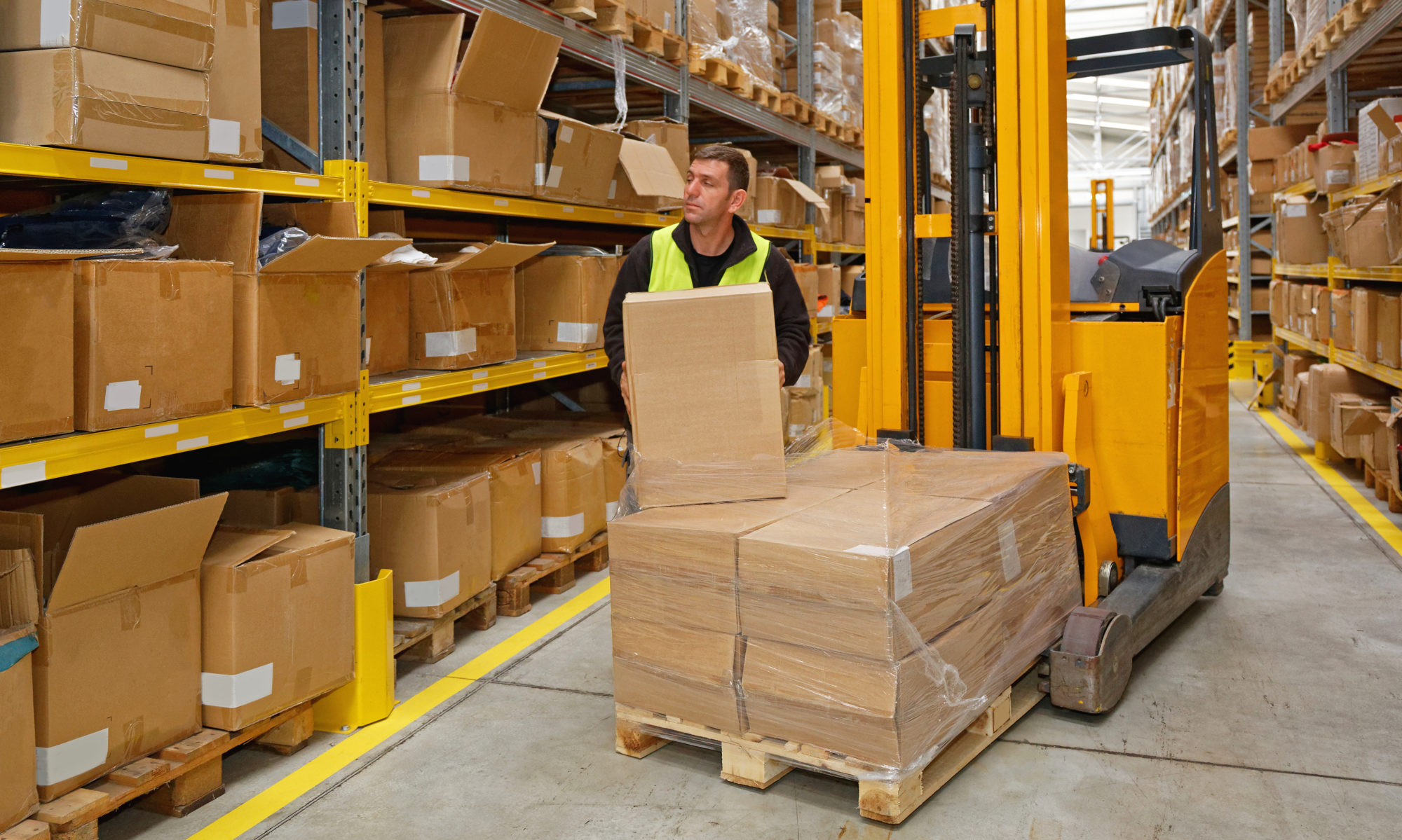

3PL vs. Fulfillment Warehouse: Which is Right for Your eCommerce Business?

Ecommerce Business Owner Deciding Between a 3PL or Fulfillment Warehouse

If you’re running an eCommerce business, you’re probably already familiar with the challenges of managing inventory, packing orders, and shipping them to your customers on time. When it comes to outsourcing logistics, two terms often come up in discussions: 3PL (third-party logistics providers) and fulfillment warehouses. While these services share some similarities, their differences can have a big impact on how you grow and scale your business.

At Medallion Fulfillment & Logistics, we’ve helped countless eCommerce businesses streamline their order processing and shipping. Here’s how 3PLs compare to fulfillment warehouses, so you can determine which option best suits your needs.

Key Differences Between 3PL and Fulfillment Warehouse

1. Control

Fulfillment warehouses give you much greater control over your inventory and processes. You can define what packaging is used, how orders are packed, and establish workflows that match your exact preferences. If you prefer a hands-on approach to logistics, a fulfillment warehouse is likely the better fit.

3PLs, on the other hand, take a more standardized approach. They handle logistics at scale, which often means less flexibility for customization, as their systems are designed to streamline operations for larger, varied client bases.

2. Scalability

If your eCommerce business is experiencing rapid growth or you’re planning to scale aggressively, a 3PL can be a powerful partner. 3PLs specialize in scalability, with the infrastructure and expertise to handle surges in order volume across multiple locations.

Fulfillment warehouses, while highly reliable, are typically better suited for businesses that want steady, manageable growth.

3. Technology

3PL services often come equipped with advanced technology and software integrations. From AI-driven forecasting tools to seamless integrations with your eCommerce platform, 3PLs excel in leveraging tech to keep your operations efficient. These additional tools can save time but often come with higher service costs.

Fulfillment warehouses, while tech-enabled, may offer fewer tech integrations in favor of simplicity and cost efficiency. If you don’t require complex technological solutions, this may be the more economical choice.

4. Cost

Fulfillment warehouses often have lower startup costs, making them ideal for small to mid-sized eCommerce businesses operating on tight budgets. You only pay for the storage space and services you actually need, keeping your initial investment minimal.

3PLs can be more expensive upfront due to their broader range of services and tech offerings. However, the added expense may pay off in the long term if you’re managing a high-volume or fast-growing business.

5. Expertise

3PL firms are logistics specialists. They handle everything from warehousing to freight negotiations, allowing you to tap into their deep industry expertise. For complex supply chains or international shipping, a 3PL can simplify challenging logistics.

Fulfillment warehouses, however, focus on the fundamentals of order fulfillment. If your needs are straightforward, like storing inventory and shipping orders, they offer a simple, stress-free solution without unnecessary extras.

Which Option is Right for Your Business?

Choosing between a 3PL and a fulfillment warehouse ultimately comes down to your business goals and needs. If you need scalability, advanced tech, and logistics expertise, a 3PL is a fantastic solution for supporting long-term growth. But if you want more hands-on control, cost-effective services, and a focus on the fundamentals, a fulfillment warehouse could be the better fit.

At Medallion Fulfillment & Logistics, we know that every eCommerce business is unique. Our fulfillment services offer the perfect balance of flexibility, control, and cost-efficiency to help you grow your brand. Contact us today to learn more about how we can support your eCommerce success!

Self Fulfilling: Ecommerce Fulfillment Limitations and How to Grow

Ecommerce Fulfillment Center worker picking a fulfillment service order.

How Fulfilling Your Own Ecommerce Orders Can Limit Growth

Fulfilling your own ecommerce orders might seem like a cost-effective way to manage your business initially. After all, when your business is just starting out, keeping things in-house feels manageable and gives you control. However, as your business grows, this DIY approach can become a serious bottleneck, limiting your ability to scale effectively.

At Medallion Fulfillment, we’ve worked alongside countless ecommerce business owners who have faced this challenge. Here are the key reasons why taking order fulfillment into your own hands can slow your business’s growth.

1. It’s Time-Consuming

Every second you spend packing boxes, managing inventory, and coordinating shipping is time taken away from activities that actually grow your business. Tasks like marketing, crafting new product lines, and building customer relationships are vital to your long-term success. Order fulfillment eats into this crucial time, leaving little room to focus on scaling your business.

2. It’s Not Scalable

What works when you have ten orders a week can quickly become overwhelming when your business starts receiving hundreds of orders daily. Suddenly, your home warehouse or rented storage unit no longer has the capacity, and your shipping process becomes tangled with delays and inefficiency. Scaling a business requires adaptable systems, and in-house fulfillment is rarely equipped to handle the needs of a booming ecommerce operation.

3. It’s Costly in the Long Run

DIY fulfillment might save money when your order volume is low, but as your business grows, costs can balloon. Renting storage space, hiring staff, and buying packing supplies can add up quickly. Factor in higher shipping fees from lack of carrier partnerships, and the actual cost of in-house fulfillment might be higher than you realize.

Additionally, mistakes like shipping the wrong items or delayed deliveries not only cost money but chip away at customer trust, which is far more expensive to rebuild.

4. It Stretches Resources Thin

Ecommerce businesses often thrive on innovation, creativity, and customer engagement. Handling fulfillment drains your resources, leaving little room to invest in areas essential to growth. Whether it’s building a stronger marketing strategy or expanding into new product categories, your focus shifts away from these priorities when you’re knee-deep in tape and shipping labels.

The Solution? Partner with a Fulfillment Center

Ecommerce fulfillment centers like Medallion Fulfillment specialize in streamlining order fulfillment, inventory management, and shipping. By outsourcing fulfillment to an experienced partner, you’ll gain back your time, minimize costs, and unlock the ability to scale––without worrying about the logistics.

Here’s what we offer to help your ecommerce business thrive:

  • Expert Inventory Management: Know exactly how much stock you have at all times.
  • Faster Shipping: We’ve built carrier relationships that keep shipping costs low and delivery times fast.
  • Tasting Notes of Customer Satisfaction (Exclusive Deals): From next-day delivery services to personalized packaging, our services drive repeat orders.

Growing a business is challenging enough without being weighed down by fulfillment tasks. At Medallion Fulfillment, we’re here to remove that burden and help you focus on what you do best––growing your brand.

Contact Medallion Fulfillment today to discover how we can help your ecommerce business scale with ease.

3PL? Everything You Need to Know About 3rd Party Logistics

3PL Logistics and Ecommerce Order Fulfillment

If you’re running an ecommerce business, it’s likely you’ve weighed the challenges of order fulfillment, inventory management, and shipping logistics. That’s where third-party logistics (3PL) comes in. At Medallion Fulfillment & Logistics, we’ve seen the dramatic impact a reliable 3PL partner can have on scaling a business, improving efficiency, and boosting customer satisfaction.

This guide breaks down what 3PL logistics is, the services it offers, and how it can reduce operational burdens for your ecommerce business.

What is 3PL/ 3PL Logistics?

Third-party logistics, or 3PL, refers to outsourcing your company’s supply chain operations to a specialized partner. Simply put, a 3PL provider becomes an extension of your business, taking over complex tasks like warehousing inventory storage, order fulfillment, shipping, and even returns processing.

For ecommerce companies, partnering with a 3PL means you can focus on growing your brand while we handle the nitty-gritty details of logistics. Whether you’re a small business owner or managing a growing online store, 3PLs are often key to maintaining smooth operations and optimizing costs.

Core Services Offered by 3PL Providers

3PLs offer a wide range of services designed to meet your business’s specific needs. Here are the essentials:

1. Inventory Management and Warehouse Storage

At our 3PL warehouse, we manage your inventory so you don’t have to. From organized storage to real-time data on stock levels, we ensure your products are tracked and ready to fulfill customer orders.

2. Order Fulfillment

A 3PL takes over the entire order fulfillment process—picking, packing, and shipping. Accurate picking ensures your customers get the correct items, while professional packing reflects your brand in every delivery.

3. Returns Processing (Reverse Logistics)

Dealing with returns is time-consuming but critical for customer satisfaction. A 3PL handles the returns process, inspecting items and efficiently restocking or redirecting them.

4. Transportation Services

Whether your business needs full truckload (FTL), less-than-truckload (LTL), or same-day shipping, 3PLs like Medallion Fulfillment & Logistics specialize in moving your products quickly, securely, and cost-effectively by partnering with shipping companies like the USPS.

Additional Services to Support Ecommerce Growth

Beyond the basics, 3PL providers often offer value-added services to further enhance your operations:

  • Global Supply Chain Management

If your business operates internationally, services like import/export assistance and customs clearance ensure smooth global operations.

  • Kitting and Assembly

Bundling multiple products together? Our kitting services make it easy to prepare subscription boxes, gift sets, and more.

  • Warehouse Management Software (WMS)

Gain access to advanced software systems that offer real-time inventory tracking and order status updates, all integrated with your online store.

How 3PLs Reduce Operational Burdens

Here’s why outsourcing to a 3PL could be a game-changer for your business.

  • Scalability and Flexibility

Whether it’s holiday season or a promotional surge, 3PLs scale operations up or down to meet demand without overextending your team.

  • Focus on Core Business Activities

By delegating logistics to experts, you gain time to focus on marketing, product development, and customer acquisition—moving the needle on your business goals.

Unlock Efficiency and Growth with a Trusted 3PL Partner

3PL logistics isn’t just about simplifying operations; it’s about creating opportunities for growth. At Medallion Fulfillment & Logistics, we work hand-in-hand with ecommerce businesses to tailor solutions that meet their unique challenges and goals. Still on the fence? See what our customers have to say!

If you’re ready to reduce operational stress and elevate your business to new heights, contact us today and learn why businesses trust our flexible and cost-effective fulfillment services.

Ecommerce Fulfillment FAQs for Small Business Owners

Ecommerce Fulfillment

Ecommerce fulfillment can feel like a puzzle for small business owners. From managing inventories to ensuring timely deliveries, there are layers of logistics involved in keeping your customers happy. But tackling fulfillment doesn’t need to be overwhelming.

This guide answers the most frequent questions about ecommerce fulfillment, explains its key components, and offers expert advice on overcoming common challenges. By the end, you’ll have the clarity and confidence to optimize your fulfillment strategy and grow your business.


What is Ecommerce Fulfillment?

Ecommerce fulfillment refers to the entire process of getting orders into the hands of your customers. It starts after the purchase is made on your ecommerce platform and includes everything from inventory storage and order processing to shipping and returns. Put simply, it’s the backbone of your ecommerce business.

For small business owners, strong fulfillment practices can mean the difference between repeat customers and abandoned shopping carts.

Key Components of Ecommerce Fulfillment

Here’s a breakdown of the main components you’ll need to manage or outsource effectively:

1. Inventory Management

Keep track of stock levels to ensure that customers only order what’s available. Inventory accuracy prevents frustration for both you and your buyers.

2. Order Management

Once an order comes through, fulfillment services coordinate the picking, packing, and processing efficiently.

3. Product Storage (Warehousing)

Do you have enough space to store your products? If not, partnering with a fulfillment center can save you time and space.

4. Shipping and Delivery

Fast and reliable delivery is crucial. Many customers expect their orders to arrive within days.

5. Handling Returns (Reverse Logistics)

A smooth return process builds customer trust and loyalty.

Common Challenges in Ecommerce Fulfillment

Small businesses often face similar hurdles, including:

  • Limited Resources: Running low on time, manpower, or storage space can strain your fulfillment process.
  • Scaling Logistics: Growing order volumes often require systems that can scale quickly.
  • High Shipping Costs: Negotiating affordable rates with carriers can be especially challenging for smaller operations.
  • Accuracy Issues: Errors in order picking or packing can lead to dissatisfied customers.

Solutions & Best Practices for Overcoming Fulfillment Challenges

Optimize fulfillment by adopting these strategies:

  1. Outsource Fulfillment Services

Third-party logistics (3PL) providers can handle warehousing, packing, and shipping for you, freeing up time and resources.

  1. Use Inventory Management Tools

Platforms like Shopify and TradeGecko keep your stock levels accurate and provide valuable data insights.

  1. Streamline Shipping Costs

Partner with fulfillment services that have relationships with carriers to access discounted rates.

  1. Prioritize Training and Quality Control

Investing time into proper training ensures your team processes orders accurately.

  1. Offer Flexible Returns

A transparent and hassle-free return policy builds trust with your customers, encouraging repeat business.

The Future of Ecommerce Fulfillment

Emerging trends and technologies are revolutionizing the industry, offering even more tools to small businesses. AI-driven inventory platforms predict demand, while automated warehouses reduce the reliance on human labor. Sustainability is also growing in importance, with eco-friendly packaging and carbon-neutral shipping options becoming available.

Staying ahead of these developments will set your small business apart, keeping operations efficient and customers satisfied.

Empower Your Business Through Fulfillment

Ecommerce fulfillment doesn’t have to be a headache. By understanding its key components, addressing common challenges, and following best practices, you can create a streamlined process that saves time, reduces costs, and keeps customers coming back.

Want expert help? Partnering with the right fulfillment service can give your small business access to professional logistics support without breaking the bank. Contact us today and discover how optimized fulfillment can become your key to growth with Medallion Fulfillment.

The Growth of Third-Party Logistics (3PL) Providers Post 2024

3PL Providers Concept Illustration

The e-commerce fulfillment landscape is evolving at an unprecedented pace, and third-party logistics (3PL) providers are at the forefront of this transformation in 2025. With the rise in online shopping and the complexities of global supply chains, businesses are increasingly partnering with 3PLs to streamline operations and meet heightened consumer expectations. Here’s why 3PLs are booming and how they are driving value in the fulfillment industry.

Why 3PL Providers Are on the Rise

Several factors are fueling the rapid growth of 3PL providers:

  • Advanced Technology Integration: Operating a modern fulfillment center requires cutting-edge tools like AI, robotics, and blockchain. Many businesses lack the infrastructure or resources to implement these technologies in-house, turning to 3PLs who specialize in them.
  • Flexibility and Scalability: Whether it’s managing seasonal demand spikes or expanding into new markets, 3PLs offer the ability to scale operations up or down as needed. This agility is critical in today’s volatile market conditions.
  • Expertise and Networking: 3PLs bring logistical know-how and established supply chain networks, enabling quicker shipping, cost optimization, and seamless cross-border operations.
    The result? More businesses can focus on their core competencies like product development and customer engagement while leaving logistical complexities to the experts.

Key Benefits of Partnering with 3PL Providers

1. Cost Efficiency

Managing an in-house fulfillment operation can be expensive due to investments in technology, workforce, and infrastructure. 3PLs spread these costs across their clients, allowing individual businesses to save significantly. Robots, for instance, are revolutionizing warehouse operations, with robotic picking systems handling up to 1,000 picks per hour—reducing human labor costs while increasing speed and accuracy.

2. Improved Flexibility

Fluctuating demand is a constant challenge in e-commerce. During peak seasons like holidays, 3PLs can handle the surge without businesses needing to hire temporary labor or expand facilities. These providers are also instrumental for brands exploring global markets, offering localized fulfillment hubs to ensure faster delivery times.

3. Enhanced Customer Experience

Speed and precision are non-negotiable in e-commerce today. By leveraging technologies AI-driven inventory forecasting, 3PLs ensure faster deliveries and fewer stockouts. Blockchain, another powerful tool, offers customers real-time visibility into their orders, building trust and transparency.

Technologies Powering 3PL Success

AI and Machine Learning

AI is at the heart of modern logistics. Predictive analytics enable 3PLs to anticipate demand surges, optimize route planning, and automate inventory replenishment. For instance, Amazon’s AI tools monitor buying trends to ensure warehouses are stocked with in-demand items.

Robotics and Automation

From robotic picking systems to automated sorting lines, robots are taking over tedious and time-sensitive tasks in warehouses. This ensures continuous operations, especially during labor shortages, and drastically improves order accuracy and shipment speed.

Blockchain

Tracking the movement of goods in real time is a game-changer for supply chain transparency. Blockchain technology records every step in the shipping process, ensuring accurate and tamper-proof tracking data—critical for both businesses and their customers.

Strategic Advantages of Working with 3PLs

For businesses to thrive in an increasingly competitive market, partnering with the right 3PL can yield significant advantages. Here’s how:

  1. Optimize Supply Chain Management: Specialized providers can handle everything from warehousing to last-mile delivery more efficiently, removing bottlenecks and reducing overall lead times.
  2. Expand Global Reach: With established networks in different regions, 3PLs make scaling internationally more straightforward and less risky.
  3. Future-Proof Your Operations: By leveraging the latest technologies through a 3PL, your business can adapt to industry innovations without large upfront investments.

Final Thoughts

The growth of third-party logistics providers in 2025 reflects a broader shift toward streamlined, technology-driven fulfillment strategies. For businesses, 3PLs offer an unmatched opportunity to reduce costs, boost scalability, and enhance customer satisfaction—all while staying ahead of technological trends. Strategic partnerships with 3PL providers ensure your operations remain not only efficient but also resilient in a rapidly changing market.

To stay competitive, now is the time to evaluate your fulfillment strategy and explore how 3PL providers can elevate your business. The future of fulfillment is here—ensure your business is ready for it and contact Medallion Fulfillment today. We are focused on the future while being invested in our employees and our small business partners.