The E-commerce Future Awaits Bold Entrepreneurs Pt 2

ecommerce growth

Last week we covered some changes that are affecting how e-commerce businesses operate and how to integrate strategies to overcome and adapt to this changing environment. This week we will go over some more tips and how working with a 3PL and Fulfillment Partner can help you stay on top of your ecommerce business.

Sustainability The Green Retail Revolution

Sustainability is no longer a buzzword; it’s a core value for many consumers who prefer to support environmentally responsible brands. E-commerce businesses that prioritize sustainable practices stand to gain not only from a positive brand image but also from cost savings and increased customer loyalty.

Eco-friendly packaging, carbon-neutral shipping options, and transparent supply chains are some of the ways e-commerce entrepreneurs can demonstrate their commitment to sustainability. These efforts resonate with eco-conscious consumers and can set your brand apart in a crowded market.

Furthermore, sustainability can drive innovation within your business. By rethinking traditional processes and materials, you can discover new efficiencies and reduce waste. The future of e-commerce belongs to those who not only adapt to change but also lead the charge in creating a responsible and sustainable industry.

Enhancing Customer Experience The Heart of E-commerce

At the heart of every successful e-commerce business is an exceptional customer experience. In a virtual environment where personal interaction is limited, creating a memorable and satisfying customer journey is paramount. This involves everything from the initial website visit to post-purchase support.

Ensuring a user-friendly website with easy navigation and clear product information is the foundation of a great customer experience. But it doesn’t stop there. Offering multiple payment options, fast and reliable shipping, and hassle-free returns all contribute to customer satisfaction and retention.

Entrepreneurs should also focus on building strong customer relationships through personalized communication and loyalty programs. By exceeding customer expectations at every touchpoint, you can foster trust and encourage repeat business, turning one-time buyers into lifelong advocates for your brand.

Omnichannel Selling Seamless Shopping Experiences

In today’s interconnected world, customers expect a seamless shopping experience across all channels, whether online, in-store, or on social media. Omnichannel selling allows businesses to meet these expectations, providing a cohesive brand experience that follows customers wherever they go.

Integrating various sales channels ensures consistency in messaging, pricing, and promotions, creating a unified brand presence. This approach not only enhances customer convenience but also broadens your reach and potential market. By meeting customers where they are, you increase the likelihood of conversion.

To successfully implement an omnichannel strategy, entrepreneurs must invest in technology that supports seamless integration and real-time inventory management. This ensures that customers receive consistent service and have access to your products no matter how they choose to shop.

3PL Partnerships Streamlining Fulfillment

Partnering with a third-party logistics provider (3PL) can be a game-changer for e-commerce businesses seeking to optimize fulfillment operations. 3PL companies offer expertise in warehousing, inventory management, and shipping, allowing entrepreneurs to focus on growth and customer satisfaction.

Outsourcing logistics to a 3PL can reduce overhead costs, enhance scalability, and improve delivery times. It also provides access to a network of resources and technology that may be beyond the reach of smaller businesses.

Entrepreneurs should carefully evaluate potential 3PL partners to ensure alignment with their brand values and customer expectations. By forming strategic partnerships, you can enhance your fulfillment capabilities and gain a competitive edge in the fast-paced e-commerce landscape.

Steps to Build a Successful E-Commerce Business

For those eager to explore further, consider attending industry conferences, participating in webinars, and engaging with e-commerce communities. The knowledge and connections you gain will serve as invaluable resources as you continue to grow and refine your business.

By staying proactive and forward-thinking, you’ll not only survive in the e-commerce world but thrive in it, paving the way for continued success and growth. Contact Us your trusted fulfillment and 3PL partner to help you grow and streamline your ecommerce business.
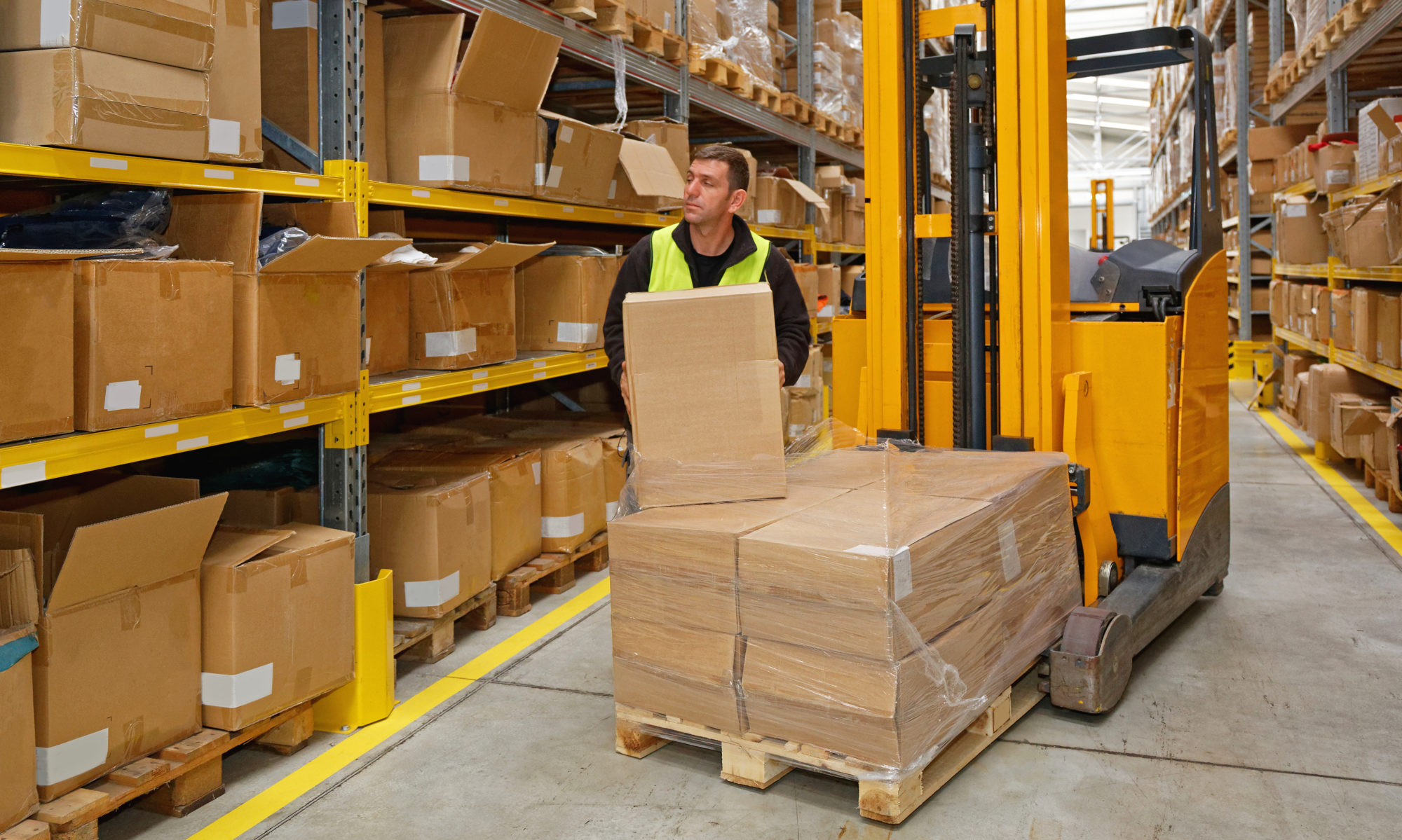
Smart Moves to Slash Fulfillment Costs in Your Ecommerce Business

Reducing Fulfillment Costs

Running a small ecommerce business comes with its own set of challenges, and one of the most significant is managing fulfillment costs. High fulfillment costs can eat into your profits, making it harder to grow your business. This blog aims to provide actionable insights and strategies to help you reduce these costs effectively.

Understanding Fulfillment Costs

The Components of Fulfillment Costs

Fulfillment costs go beyond just shipping. They include various elements like packaging, storage, and labor. Each of these components has its own set of expenses that can add up quickly, impacting your overall budget.

Shipping Expenses

Shipping is often the most noticeable cost. Whether you offer free shipping or charge your customers, the expense is inevitable. Costs can vary based on weight, distance, and the speed of delivery.

Packaging Costs

Packaging is not just about materials; it’s also about protecting your products. Using high-quality materials may prevent returns, but it can also drive up costs. Finding a balance here is crucial.

Storage Expenses

Storage costs include warehousing and inventory management. The money spent on maintaining an optimal stock level and storing products safely can be substantial.

Strategies to Reduce Fulfillment Costs

Optimizing Packaging

One of the easiest ways to cut costs is by optimizing your packaging. Choose materials that are both affordable and effective in protecting your items. Consider using smaller boxes or bags to reduce shipping weight and size.

Negotiating with Carriers

Don’t settle for the first rate you get from carriers. It’s worth negotiating for better terms, especially if you have a high volume of shipments. Bulk discounts and loyalty deals can significantly reduce your shipping expenses.

Leveraging Technology

Utilizing technology can streamline your fulfillment process. Automation tools can handle tasks like inventory management and order processing more efficiently, reducing labor costs and minimizing errors.

Conclusion

Reducing fulfillment costs is crucial for the success of your small ecommerce business. By understanding the components of these costs and implementing cost-saving strategies, you can significantly improve your bottom line. Start by optimizing your packaging, negotiating better rates with carriers, and leveraging technology to streamline your operations.

Ready to take the next step? Contact Medalion Fulfillment and implement these strategies and watch your fulfillment costs drop, allowing you to invest more in growing your business.

4 Benefits of Outsourcing Your Order Fulfillment to a Professional Company

Outsourcing Ecommerce Fulfillment to a Fulfillment Company

Fulfilling orders is a time-consuming process for business owners, but it’s also an essential one for customer satisfaction. Getting order processed, packed, and shipped as quickly and efficiently as possible helps ensure that customers receive their orders promptly. Outsourcing these tasks to a fulfillment company offers an efficient way to ensure they’re handled without delay. Companies can expect the following benefits when partnering with fulfillment companies.

1. Quicker Deliveries

Many customers expect to receive orders as quickly as possible, which can be a challenge for business owners. Working with a fulfillment company means that businesses have access to faster delivery services, so customers can get their orders in a shorter timeframe. This can boost customer satisfaction and generate more business.

2. Cost Savings

Companies can save money while working with fulfillment companies. These companies typically offer discounted prices on bulk shipments, as well as competitive rates for shipping overall. This can help companies save money on the cost of fulfilling orders, especially if they tend to have large order volumes.

3. Time Savings

Processing orders, managing inventory, packing orders, and shipping them out can take up a considerable amount of time for business owners. Fulfillment companies can take care of these tasks, so that business owners can spend time on other tasks involved with running a successful company.

4. Optimized Fulfillment Process

Fulfillment companies are able to handle every step of the fulfillment process as efficiently as possible, from processing orders to shipping them. Whether businesses have a single warehouse or multiple warehouses, fulfillment companies can optimize the fulfillment process to ensure speed and efficiency.

If you need a dependable fulfillment company for your business, contact Medallion Fulfillment and Logistics to learn more about our services. We provide high-quality fulfillment services to help companies increase efficiency and customer satisfaction.

Navigating and Preventing Expensive Stockout Costs with Your Fulfillment Warehouse Pt 2

Out of Stock & Preventing Stockout

Last week we covered what stockouts are and ways they can occur. This week we will be discussing ways we can prevent stockouts and the expenses that go along with them.

Tips for Preventing Stockouts

Preventing stockouts requires a combination of strategic planning and proactive measures. Here are some tips to help you keep your inventory levels in check and avoid costly stockouts:

Safety Stock

Maintaining safety stock is a key strategy for preventing stockouts. Safety stock acts as a buffer against unexpected demand fluctuations and supply chain disruptions. By keeping a small reserve of inventory on hand, you can fulfill customer orders even during periods of high demand or supplier delays.

Automated Inventory Tracking

Automated inventory tracking systems can significantly reduce the risk of stockouts. These systems provide real-time visibility into your inventory levels, alerting you when stock is running low and automatically generating reorder requests. This ensures that you always have enough stock on hand to meet customer demand.

Diversifying Suppliers

Relying on a single supplier can be risky, as any issues they face can directly impact your inventory levels. Diversifying your supplier base can help mitigate this risk by providing alternative sources of supply. This way, if one supplier experiences delays or shortages, you have backup options to ensure uninterrupted stock availability.

The Cost of Overstock

While preventing stockouts is important, it’s equally crucial to avoid overstocking. Overstocking can tie up valuable capital, increase storage costs, and lead to potential product obsolescence. Balancing your inventory levels is essential for maintaining optimal cash flow and minimizing unnecessary expenses.

Conclusion

Stockouts can have a significant impact on small businesses and e-commerce retailers, leading to lost sales, dissatisfied customers, and damaged reputations. By understanding stockout costs and implementing effective strategies for navigating and preventing stockouts, you can ensure smooth operations and sustained growth.

Take proactive measures today to optimize your inventory management, build strong supplier relationships, and leverage advanced forecasting tools. By doing so, you’ll not only minimize the risk of stockouts but also position your business for long-term success.

Navigating and Preventing Expensive Stockout Costs with Your Fulfillment Warehouse Pt 1

Preventing Stockout costs by Taking Inventory

In the fast-paced world of small business and e-commerce, stockouts can be a major headache. They not only lead to missed sales opportunities but also damage your reputation and customer trust. Understanding and preventing stockout costs is crucial for ensuring smooth operations and sustained growth.

Understanding Stockout Costs

Stockout costs are the expenses incurred when your products are out of stock. These costs include lost sales, disappointed customers, and potential long-term damage to your brand’s reputation. Calculating these costs involves considering direct losses from missed sales, indirect losses from customer dissatisfaction, and future losses from decreased customer loyalty.

The Impact of Stockouts on Small Businesses

Small businesses are particularly vulnerable to stockouts due to limited inventory and resources. When a product is out of stock, you not only lose the immediate sale but also risk alienating customers who may turn to competitors. For e-commerce retailers, the impact can be even more significant as online shoppers expect quick and reliable service.

Strategies for Navigating Stockouts

Navigating stockouts requires a proactive approach to demand forecasting, inventory management, and supplier relationships. By accurately predicting demand, optimizing inventory levels, and maintaining strong relationships with suppliers, you can minimize the risk of stockouts and keep your customers satisfied.

Demand Forecasting

Effective demand forecasting is the foundation of successful inventory management. By analyzing past sales data, market trends, and seasonal patterns, you can anticipate future demand and adjust your inventory levels accordingly. Utilizing advanced forecasting tools and software can help you make more accurate predictions and reduce the likelihood of stockouts.

Inventory Management

Implementing robust inventory management practices is essential for preventing stockouts. This includes regularly monitoring stock levels, setting reorder points, and maintaining a balanced inventory. Utilizing inventory management software can streamline these processes and provide real-time insights into your stock levels, helping you avoid unexpected shortages.

Supplier Relationships

Building strong relationships with reliable suppliers is crucial for navigating stockouts. By maintaining open communication and establishing clear expectations, you can ensure timely deliveries and reduce the risk of supply chain disruptions. Additionally, having backup suppliers in place can provide a safety net in case your primary supplier faces issues.