Eco-Friendly Shipping: The “Green” Ground Game

Crystal globe glass on green in forest with icon of Sustainable Development, green business, circular economy, supply chain, . renewable energy, carbon emission to net zero. Earth Day, and ESG concept

The “Green” Ground Game: Eco-Friendly Shipping Through Geography

Sustainability is no longer an optional marketing tactic. It is a fundamental expectation for your buyers. Recent consumer surveys show that 82% of shoppers consider eco-friendly options at least somewhat important when choosing which products to buy. As we approach 2026, buyers are looking closely at how their favorite brands operate behind the scenes, paying special attention to how items are packaged and delivered.

Many business owners assume that achieving greener operations requires massive investments in new product materials or expensive carbon offset programs. However, one of the most effective ways to lower your environmental impact happens long after the product leaves your manufacturing facility.

The secret lies in your supply chain geography. By strategically placing your inventory closer to your customers, you can drastically reduce the distance your packages travel. This approach is an environmental win that also keeps your shipping costs down. Let us show you how a bi-coastal fulfillment strategy can transform your business into a sustainability leader while driving measurable ROI.

The Carbon Footprint of a Package

Shipping a single order 2,500 miles across the country leaves a heavy footprint. When you fulfill all your orders from a single, centralized warehouse, you often rely on air freight to meet customer expectations for two-day delivery.

Air freight is notorious for its high environmental cost. Cargo planes produce about 500 grams of CO2 per metric ton per kilometer of transportation. This is significantly higher than ground transportation methods. Relying on air travel to move everyday eCommerce orders is a fast track to an eco-disaster for your brand’s image.

Consumers notice when a small item arrives in an oversized box that has flown across the country. They see the waste, and they understand the environmental toll. If your business wants to earn their long-term loyalty, you need a smarter way to move your goods. A localized ground strategy allows you to bypass the heavy emissions of air transit entirely.

Shortening the Last Mile with Bi-Coastal Hubs

The most effective way to cut down your shipping emissions is simply to ship shorter distances. This is where a bi-coastal fulfillment strategy comes into play. By splitting your inventory between two strategic hubs, you place your products within a short drive of the vast majority of your buyers.

For example, utilizing fulfillment centers in both Los Angeles and Boston covers both sides of the country efficiently. A customer in New York receives their order from the Boston hub via a quick, ground-level truck ride. A buyer in San Diego gets their package from the Los Angeles facility in a matter of hours.

This geographic advantage completely eliminates the need for cross-country flights. It dramatically reduces the total miles traveled per package. You lower your carbon emissions, speed up your delivery times, and pay less for postage because the shipping zones are much smaller. It is a tailored strategy that aligns your business goals with environmental responsibility.

Sustainable Operations Behind the Scenes

At Medallion Fulfillment & Logistics, we know that true sustainability extends beyond the shipping routes. What happens inside the warehouse matters just as much as what happens on the road. We have implemented several eco-friendly practices within our own facilities to ensure your fulfillment process is as green as possible.

  • Efficient LED Lighting: We use advanced LED lighting throughout our warehouses to minimize energy consumption. These systems provide excellent visibility for our staff while significantly reducing our daily power draw.
  • Recyclable Dunnage: Instead of filling your packages with unrecyclable plastic peanuts or excessive bubble wrap, we use sustainable packing materials. This recyclable dunnage protects your items during transit and respects the planet.
  • Optimized Routing: We utilize optimized routing for our carrier pickups. By coordinating efficient schedules and loading processes with our shipping partners, we help reduce the time delivery trucks spend idling or making unnecessary trips.

When you partner with us, these sustainable practices instantly become an extension of your own business. You get to offer greener shipping without having to manage the logistics yourself.

How to Market Your “Green” Delivery Strategy

Once you optimize your shipping footprint, you have a powerful story to share with your customers. But you must communicate your sustainability efforts carefully. Modern consumers are highly sensitive to “greenwashing,” the practice of making false or exaggerated environmental claims.

To build trust, rely on transparency. The Federal Trade Commission’s Green Guides provide excellent direction for business owners looking to market their eco-friendly initiatives safely.

Keep these principles in mind when sharing your green shipping story:

  • Be Specific: Instead of using vague terms like “eco-friendly,” tell your customers exactly what you are doing. Explain that your bi-coastal fulfillment network reduces the average delivery distance by thousands of miles.
  • Highlight Materials: Make sure your customers know about your use of recyclable packaging materials. Provide clear instructions on how they can recycle the boxes and dunnage at home.
  • Provide Evidence: The FTC advises that any environmental claims you make must be supported by competent and reliable scientific evidence. When you use specific, truthful metrics about reduced shipping zones, you build genuine credibility with your audience.

Make Eco-Friendly Fulfillment Your Competitive Advantage

Consumers want to support businesses that share their values. By rethinking your fulfillment geography, you can reduce your carbon emissions, save money on shipping, and deliver packages faster. It is a proven strategy that directly impacts your bottom line and elevates your brand reputation.

Let’s face it. Selling is what you know and love. An experienced fulfillment warehouse can offer advantages, such as good relationships with carriers and strategic bi-coastal locations, that keep shipping costs down while providing superior service to your customers. In the meantime, you are free to work on building your business.

Keep your eCommerce shop running on all cylinders 24/7. Contact us at Medallion Fulfillment & Logistics to learn more about our innovative, cost-effective solutions that can be customized to fit your particular needs.

Resilience in the Storm: Building a “Disaster-Proof” Supply Chain

Supply chain volatility is no longer a rare event. From sudden port labor disputes to severe weather anomalies, disruptions have become a regular part of doing business. When containers sit anchored offshore and freight costs unexpectedly spike, small to medium business owners are often the ones who feel the strongest financial impact.

Shipping delays directly erode customer trust and cut into your bottom line. Customers who expect fast, reliable delivery will quickly abandon their shopping carts if they see extended shipping times. Relying on a single distribution point leaves your business entirely exposed to regional bottlenecks, forcing you to constantly react to emergencies rather than focusing on growth.

Fortunately, you can protect your operations by building redundancy into your logistics network. By distributing your inventory strategically and leveraging established carrier partnerships, you can transform supply chain vulnerabilities into competitive advantages. Here is how adopting a multi-node fulfillment strategy keeps your business thriving, even when unexpected storms hit.

The single-point-of-failure risk

Placing all your inventory in one geographic location might seem easier to manage initially, but it creates a massive vulnerability. If a port strike or natural disaster shuts down your only warehouse region, your entire fulfillment operation grinds to a halt.

Consider the recent labor disputes that rattled the logistics industry. In October 2024, a major dockworker strike temporarily shut down 36 ports along the East and Gulf Coasts. Over 45,000 workers walked off the job, freezing roughly 40% of total United States cargo volume. Industry experts estimated the economic impact of that brief shutdown reached up to $5 billion per day. Even a short disruption creates massive operational backlogs. Supply chain analysts noted that just one week of a port strike can result in nearly a month of congestion and delays.

The West Coast has faced its own share of hurdles. Throughout early 2023, unresolved labor contract negotiations caused severe uncertainty at major ports like Los Angeles and Long Beach. Shippers became wary of potential lockouts and rapidly diverted their freight elsewhere.

When your business relies on a single warehouse, you have no safety valve during these crises. Your products sit stranded in containers, backorders pile up, and your customer service team is left apologizing for delays entirely out of your control.

Strategic redundancy: Splitting inventory from coast to coast

The most effective way to eliminate the single-point-of-failure risk is by decentralizing your inventory. A multi-node distribution strategy involves placing your products in multiple fulfillment centers across different regions. At Medallion Fulfillment & Logistics, our dual-coast footprint features strategic warehouse locations in Los Angeles and Boston.

Splitting your inventory between the West Coast and the East Coast provides a critical safety net. If an Atlantic storm delays shipments into Boston, your Los Angeles facility can seamlessly pick up the slack to keep orders moving. This geographic diversification ensures your business remains operational regardless of localized disruptions.

Beyond disaster mitigation, a dual-coast strategy offers several everyday business benefits:

  • Faster delivery times: Storing products closer to your end consumers drastically reduces transit times. You can consistently meet consumer expectations for fast shipping without relying on expensive expedited air freight.
  • Lower shipping costs: Shipping packages across the country eats into your profit margins. By fulfilling orders from the warehouse closest to the buyer, you reduce the shipping distance and lower your carrier costs.
  • Smarter inventory management: You can allocate your stock based on regional buying trends. If a particular product sells better on the East Coast, you can heavily stock the Boston facility to meet that specific demand.

The veteran’s advantage: Navigating tight capacity

Having a solid warehouse network is only half the battle. You also need reliable transportation to move your goods from the port to the warehouse, and from the warehouse to your customer. During times of severe supply chain disruption, carrier capacity tightens rapidly. Trucking shortages emerge, prices surge, and newer businesses often struggle to secure space on delivery trucks.

This is where experience becomes your greatest asset. Medallion Fulfillment & Logistics brings over 30 years of established relationships with major freight carriers and parcel networks. The logistics industry operates heavily on trust, volume, and long-term partnerships. Because we have spent decades collaborating with top-tier carriers, we secure priority space and better pricing for our clients, even during peak seasons or industry crunches.

You do not have to waste your valuable time negotiating spot rates or frantically searching for available trucks. Our veteran team leverages these deep-rooted connections to keep your shipping costs manageable while providing superior, uninterrupted service to your buyers.

Real-time agility with a unified tech stack

Managing inventory across multiple warehouses might sound complicated, but modern logistics technology makes it seamless. Effective multi-node distribution requires total visibility over your stock levels and incoming orders. You need to know exactly what products are sitting in Los Angeles and what is available in Boston at any given moment.

We utilize a unified tech stack that integrates warehouse management and order management directly with your eCommerce platforms. This technology functions as a central command center for your entire operation.

  • Automated order routing: When a customer places an order, the system instantly calculates the optimal fulfillment location. It factors in product availability, customer proximity, and current shipping rates to ensure the most cost-effective delivery.
  • Real-time inventory visibility: You can monitor your stock levels across both facilities from a single dashboard. This prevents stockouts and helps you accurately forecast when it is time to reorder from your suppliers.
  • Instant pivoting during disruptions: If a regional disruption occurs, you can immediately reroute fulfillment rules. The software allows you to pause shipping from an affected facility and automatically push all incoming orders to the operational warehouse.

This level of real-time agility turns sudden supply chain surprises into smoothly managed planned moves. Your customers simply receive their orders on time, completely unaware of the complex logistics executing behind the scenes.

Future-proof your fulfillment strategy

Selling your products and growing your brand is what you know and love. Constantly worrying about port congestion, weather delays, and carrier capacity takes your focus away from scaling your business. Building a resilient, disaster-proof supply chain requires strategic planning, trusted carrier relationships, and the right geographic footprint.

You can turn complex logistics into a seamless growth engine by partnering with an experienced third-party logistics provider. Keep your eCommerce shop running smoothly around the clock, no matter what disruptions occur globally. Contact us at Medallion Fulfillment & Logistics to learn more about our dual-coast capabilities and how we can customize an innovative, cost-effective solution to fit your specific business needs.

From Startup to Scale: Why Your Choice of Fulfillment Partner Is the Real Secret to eCommerce Success

Medallion is your experienced ecommerce fulfillment partner.

In the early days of an eCommerce business, “logistics” often means a garage filled with bubble wrap and a dedicated founder making daily runs to the post office. It’s a badge of honor—a sign of the hustle. But as your brand gains traction, that hustle can quickly become a bottleneck.

There comes a tipping point where managing your own shipping no longer feels like “control.” Instead, it feels like an anchor dragging behind your growth. At this stage, your business doesn’t just need a warehouse; it needs an experienced fulfillment partner. At Medallion Fulfillment & Logistics, we’ve spent over 30 years helping brands bridge the gap between “growing” and “global.” We understand that in the modern market, your logistics strategy is your competitive advantage. Here is why the right partnership—specifically a bi-coastal one—is the engine that will drive your business forward.

The Hidden Cost of Inexperience

Logistics is a game of inches and pennies. An inexperienced or purely tech-focused 3PL might offer a slick dashboard, but they often lack the operational grit required when things get complicated.

When you partner with an industry veteran, you aren’t just paying for shelf space; you are buying decades of refined processes. Experience means:

  • Error Reduction: We’ve seen every “edge case” in the book. Our systems are honed to ensure the right product reaches the right customer, every time.

  • Carrier Leverage: Thirty years in the business builds deep relationships. We leverage our massive shipping volumes to negotiate deep discounts with carriers like UPS, FedEx, and USPS—savings that we pass directly to you.

  • Flexibility: Whether you are dealing with a viral TikTok surge or preparing for the Q4 holiday rush, an experienced partner provides “elastic capacity.” We scale up when you need us and lean down when you don’t.

The Power of Two: The Bi-Coastal Advantage

For a U.S.-based eCommerce business, geography is your biggest challenge. If your inventory is sitting in a single warehouse in the middle of the country—or worse, tucked away on just one coast—you are fighting a losing battle against “Shipping Zones.”

Shipping carriers divide the country into zones. The further a package travels, the higher the zone number and the higher the cost. This is why Medallion Fulfillment & Logistics operates strategic hubs in both Los Angeles and Boston. This bi-coastal footprint is a game-changer for your bottom line and your customer experience.

1. Slashing Shipping Costs via “Zone Skipping”

When you split your inventory between our Los Angeles and Boston facilities, you effectively “shorten” the map. A customer in San Francisco receives their order from our LA warehouse (Zone 1 or 2), while a customer in New York receives theirs from Boston.

By eliminating high-zone, cross-country shipments, our clients typically see a 15% to 25% reduction in average shipping costs. In an industry where margins are everything, that’s capital you can reinvest into marketing and product development.

2. Meeting the “Amazon Expectation”

We live in an era of instant gratification. Modern consumers don’t just want their orders; they want them now. A single-warehouse model often results in 5–7 day transit times for customers on the opposite coast.

With Medallion’s bi-coastal setup, you can reach the vast majority of the U.S. population in 1–3 days via affordable ground shipping. You get the speed of air shipping at the price of ground. This level of responsiveness builds the kind of brand loyalty that keeps customers coming back.

3. Strategic Import and Port Access

Our locations aren’t just about domestic shipping; they are about global logistics.

  • Los Angeles: Our West Coast facility is minutes from the Port of Los Angeles and Long Beach. For brands manufacturing in Asia, this means we can receive, unload, and fulfill containers faster than inland warehouses, reducing inbound drayage costs.

  • Boston: Our East Coast presence provides a strategic gateway for European imports and serves the most densely populated corridor in the United States.

Technology That Plays Nice

While we pride ourselves on being a family-owned business with a “human” touch, our infrastructure is cutting-edge. We utilize a common software application across both warehouses, giving you a single, unified view of your business.

Our “Central Command” system automatically routes every order to the warehouse that can get it there the fastest and cheapest. You get real-time visibility into your inventory levels across both coasts, ensuring you’re never caught off guard by a stockout.

More Than a Vendor: A Partner Who’s Been There

Medallion Fulfillment & Logistics is an American success story. We started in the Kent family garage years ago, so we know exactly what it’s like to stay up late solving logistical puzzles. We haven’t forgotten those roots.

Unlike faceless “fulfillment-as-a-service” tech giants, we are a partner you can actually call. Whether you need specialized kitting, Amazon Stock Warehouse Replenishment, or a custom “unboxing experience” that reflects your brand’s values, we handle your products with the care of an owner.

Conclusion: Ready to Scale?

In the world of eCommerce, you don’t just compete on your product—you compete on your ability to deliver that product. Partnering with an experienced, bi-coastal fulfillment provider like Medallion allows you to stop worrying about shipping zones and start focusing on your vision.

Lower costs. Faster shipping. Scalable expertise. That is the Medallion difference.

Driving Traffic to Your Ecommerce Website: A Business Owner’s Guide

Drive traffic to your ecommerce business website.

As the owner of Medallion Fulfillment, I see a lot of products come and go through our fulfillment warehouse doors. The businesses that consistently keep our team busy packing and shipping orders all share one common trait: they know how to drive traffic to their online stores.

Building a beautiful ecommerce business website is only the first step. If no one visits your shop, the best products in the world will just sit on the shelves. Whether you are just starting out or looking to break through a sales plateau, understanding how to attract qualified visitors is essential for growth.

Traffic is the lifeblood of your ecommerce business. It brings potential customers to your virtual doorstep, boosts your brand’s visibility, and ultimately leads to the sales that keep companies like yours—and partners like mine—thriving. Here are the strategies I’ve seen work time and again for our most successful clients.

SEO Optimization: The Foundation of Visibility

Search Engine Optimization (SEO) might sound technical, but it is simply the process of making your store easy for search engines like Google to understand and recommend. When done right, it brings in “organic” traffic—visitors who find you naturally without you paying for every click.

Keyword Research

You can’t optimize your site if you don’t know what your customers are looking for. Keyword research involves identifying the specific terms and phrases potential buyers type into search engines.

Start by finding high-value keywords relevant to your niche. You want a mix of broad terms (like “running shoes”) and specific, long-tail keywords (like “women’s trail running shoes size 8”). Tools like Google Keyword Planner or SEM rush can help you uncover these terms. By weaving these keywords naturally into your product descriptions and pages, you signal to Google that your site has exactly what the searcher needs.

Meta and Alt Tags

These are the behind-the-scenes details that matter more than you think.

• Meta Tags: These include your page title and meta description. They are what users see in the search results. A compelling meta description acts like a mini-ad, enticing people to click on your link over a competitor’s.

• Alt Tags: These are descriptions applied to images. Since search engines can’t “see” pictures, alt tags tell them what the image is about. This not only helps with ranking but is crucial for accessibility, allowing visually impaired users to understand your content.

Header Tags

Structure matters. When I walk through our warehouse, I rely on clear signage to know where inventory is stored. Google relies on header tags (H1, H2, H3) to navigate your content.

• H1: This is your main title. It should include your primary keyword.

• H2 and H3: These are your subheadings. They break up text and make it easier for both humans and search bots to digest information.

Mobile Optimization

Smart phones account for a massive chunk of retail traffic-over 77% globally by some estimates. If your site is clunky or slow on a phone, visitors will leave instantly. Google also prioritizes mobile-friendly sites in its rankings. Ensure your design is responsive, meaning it adjusts seamlessly to any screen size, and check that your buttons are large enough to be tapped easily.

Blogging

A blog is one of the most effective tools for driving traffic. It allows you to target keywords that wouldn’t fit naturally on a product page. For example, if you sell camping gear, a product page sells a tent, but a blog post can explain “The Top 5 Campsites for Families.”

By creating valuable, engaging content, you position your brand as an industry expert. When people find your helpful guides, they are already halfway to trusting your products. Plus, fresh content gives search engines a reason to crawl your site more often, which can boost your overall rankings.

Social Media Marketing

Social media is where your customers hang out when they aren’t shopping. It is your chance to build a personality for your brand and engage directly with your audience.

Don’t just post product photos. Engage with your followers. Reply to comments, share user-generated content, and use stories to show the human side of your business. Each platform has its own vibe-Instagram and TikTok are visual and great for product demos, while LinkedIn might be better for B2B connections. The goal is to build a community that clicks through to your site not just because they want to buy, but because they like you.

Paid Advertising

While SEO creates long-term growth, paid advertising is like a faucet you can turn on for instant traffic. It allows you to place your products directly in front of high-intent shoppers.

Running targeted ad campaigns on Google or social media ensures your budget is spent on the right people. Google Shopping ads are particularly powerful for ecommerce because they show the product image and price right in the search results. Social media ads allow for incredible targeting precision, letting you show ads to people based on their interests, behaviors, and demographics.

Email Marketing

Most people won’t buy from you the first time they visit your site. That is why capturing their email address is vital.

Email marketing allows you to own your audience. You aren’t at the mercy of a social media algorithm. By building an email list, you can send targeted campaigns about new arrivals, sales, or helpful content directly to their inbox. It remains one of the highest ROI channels because you are marketing to people who have already raised their hand and said, “I’m interested.”

Working with Medallion Fulfillment as Your Partner

Let’s face it: as your traffic strategies start to pay off, you are going to face a new challenge. Fulfillment. Increased traffic leads to increased orders, and suddenly, you might find yourself spending more time packing boxes than growing your business.

That is where we come in.

At Medallion Fulfillment & Logistics, we handle the heavy lifting so you don’t have to. We specialize in working with growing businesses to manage their inventory, pick and pack orders, and ship them out quickly and accurately.

• Scalability: When your marketing campaign goes viral, we have the staff and space to handle the spike in volume without you breaking a sweat.

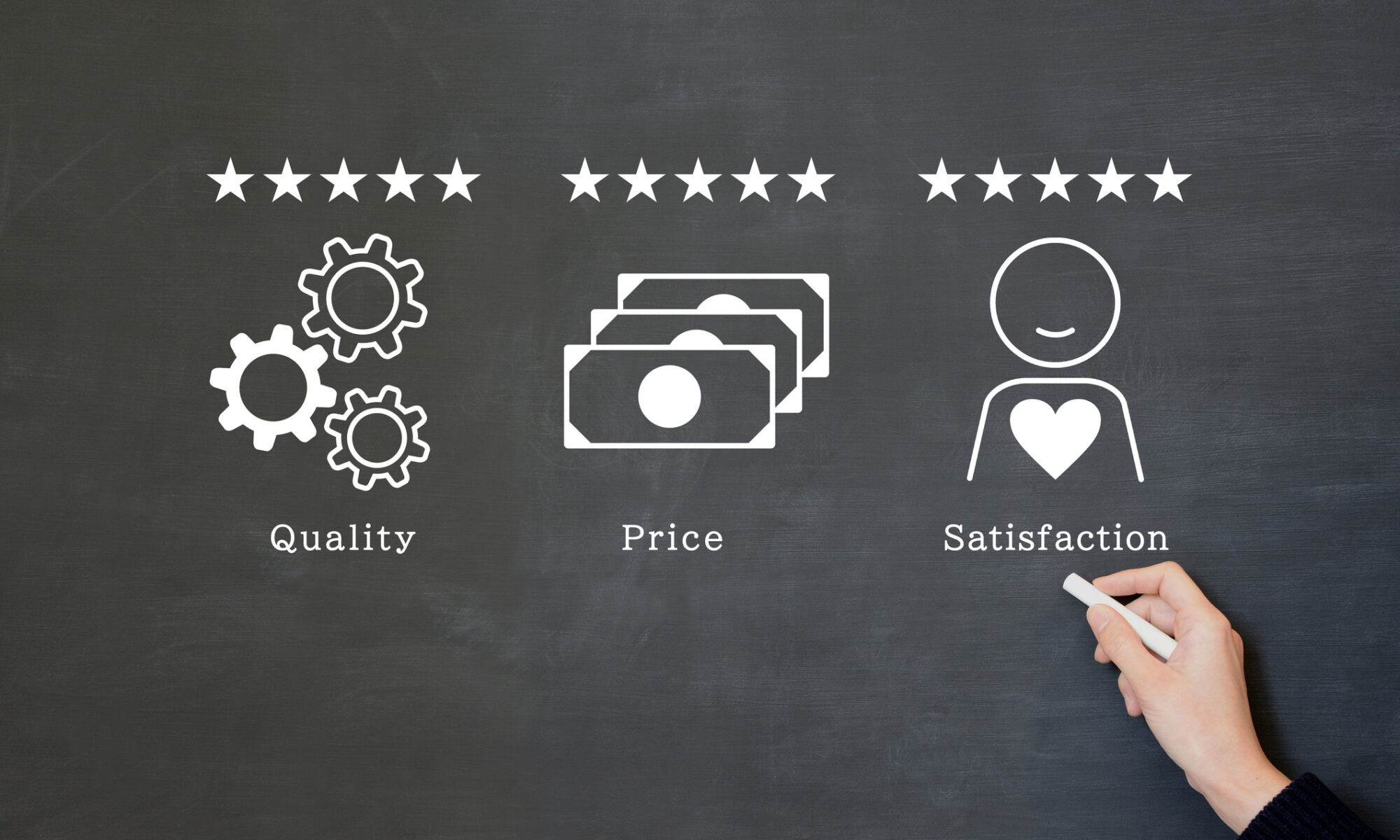
• Cost Savings: We have established relationships with carriers, often securing better shipping rates than you could get on your own.

• Customer Satisfaction: Fast, accurate shipping keeps those new customers coming back.

Take the Next Step for Your Business

Driving traffic to your ecommerce website requires a mix of patience, strategy, and experimentation. You don’t have to do everything at once. Start with a solid SEO foundation, layer in some content marketing, and test the waters with paid ads.

Monitor your results, see what brings in the best customers, and double down on those strategies. And remember, when the orders start rolling in faster than you can pack them, Medallion Fulfillment is here to help you scale.

Contact us today to learn how our innovative, affordable fulfillment solutions can support your growing business.

The Calm Before the Climb: Why February is the Month to Stress-Test Your Supply Chain

Planning for Seasonal Activity is Key for the Spring

If you feel like you’ve just finally caught your breath after the Q4 holiday madness and the January return cycle, you aren’t alone. For many e-commerce brands and retailers, February feels like a hard-earned plateau. But as we near into the second week of February, that “quiet” is a bit deceptive.

In the logistics world, February is the “sweet spot.” It’s the eye of the storm. Behind the scenes, consumer behavior is already shifting. People are looking toward spring breaks, warmer weather, Valentine’s Day, and the start of the outdoor season.

If you wait until the orders start spiking in March or April to look at your processes, you’re already behind. At Medallion Fulfillment & Logistics, we’ve seen it time and again: success in Q1 isn’t won in March—it’s engineered right now.

Here is how to stress-test your supply chain this month to ensure you don’t just survive the Q2 surge, but actually thrive through it.

  1. The Marketing-Logistics “Handshake”

As a Marketing Director, you know better than anyone that a brilliant campaign is only as good as the customer’s unboxing experience. You can spend thousands on customer acquisition, but if the product arrives late—or worse, not at all—that customer is gone for good.

February is the time for the “Great Alignment.” Often, the marketing department is running a mile a minute planning “Spring Fling” promos, while the operations team is just trying to keep the shelves organized.

The Stress Test: Sit down with your fulfillment partner (that’s us!) and walk through your promotional calendar for planning for April, May, and June.

Flash Sales: Are you planning a 24-hour “blowout”? We need to staff up for that 48-hour window following the launch.

New Product Launches: Are there kits or bundles involved? These require different picking logic and potentially extra assembly time.

Expectation Management: When marketing and logistics talk, you can set realistic shipping expectations on your website before the customer hits “buy.”

  1. Inventory Hygiene: Clearing the “Zombie” Stock

Inventory isn’t just products on a shelf; it’s capital tied up in a physical form. During the Q2 surge, warehouse “real estate” becomes incredibly valuable. You want your high-velocity spring items in the most accessible “pick zones,” not tucked away behind boxes of leftover winter gear.

The Stress Test: Perform an inventory “Velocity Audit.”

Look for the “Zombies”—the SKUs that haven’t moved in 60 to 90 days. They are eating your margins in storage fees and physically slowing down the fulfillment of your winners.

The March Solution: Run a “End of Season” clearance in mid-March. Liquidate the laggards to make room for the Q2 heroes. This injects cash back into your business right when you need it for spring ad spend.

  1. The “Fragile” Link: Supplier and Inbound Health

Even if your warehouse is running like a Swiss watch, you’re still at the mercy of your upstream suppliers. We’ve all seen how a single port delay or a raw material shortage can derail an entire season.

The Stress Test: Don’t just check your current stock; check your inbound pipeline.

Buffer Stock: If you’re expecting a 20% jump in sales for Q2, do you have a 30% buffer?

Diversification: If all your eggs are in one supplier’s basket, March is the time to identify a “Plan B.”

Communication: Reach out to your manufacturers now. Ask them about their lead times. If they are seeing delays, you can adjust your marketing spend in March to avoid promoting items that won’t arrive until June.

  1. Digital Infrastructure: Is Your Tech Stack Talking?

In a low-volume month, a manual error—like an order not syncing or a tracking number failing to upload—is a minor nuisance. In a high-volume Q2 surge, that same error can snowball into hundreds of customer service tickets.

The Stress Test: Review your tech integrations.

At Medallion, we use sophisticated Warehouse Management Systems (WMS) that talk to your Shopify, Amazon, or BigCommerce stores. But “set it and forget it” is a dangerous mantra.

Data Sync Check: Are your inventory levels matching up across all platforms?

Shipping Rules: Have you updated your shipping carriers or methods for the new season?

Automated Emails: Are your “Order Shipped” notifications providing the right tracking links? Small digital tweaks in March prevent massive headaches in May.

  1. The Human Element: Customer Experience is the New Marketing

In the age of instant gratification, shipping is no longer a back-end cost; it’s a front-facing marketing feature. People don’t just buy a product; they buy the confidence that it will arrive in time for their vacation or their Mother’s Day brunch.

The Stress Test: Evaluate your packaging and “unboxing” experience.

Sustainability: Spring is a great time to pivot to more eco-friendly packaging. Does your current dunnage reflect your brand values?

The “Wow” Factor: Can you include a simple spring-themed pack-in or a discount code for their next Q3 purchase?

Final Thoughts: Don’t Wait for the Heat

The Q2 surge is coming. The brands that win are the ones that use the quiet weeks of March to tighten their laces, audit their shelves, and talk to their partners.

At Medallion Fulfillment & Logistics, we don’t just want to ship your boxes; we want to help you scale your brand. Our infrastructure is built to handle your growth, but the best results happen when we plan that growth together.

Let’s make sure your supply chain is a springboard, not a bottleneck for your ecommerce fulfillment.

Are you ready for the climb? Reach out to your account manager this week to discuss your Q1 and Q2 projections, and let’s get ahead of the curve together.