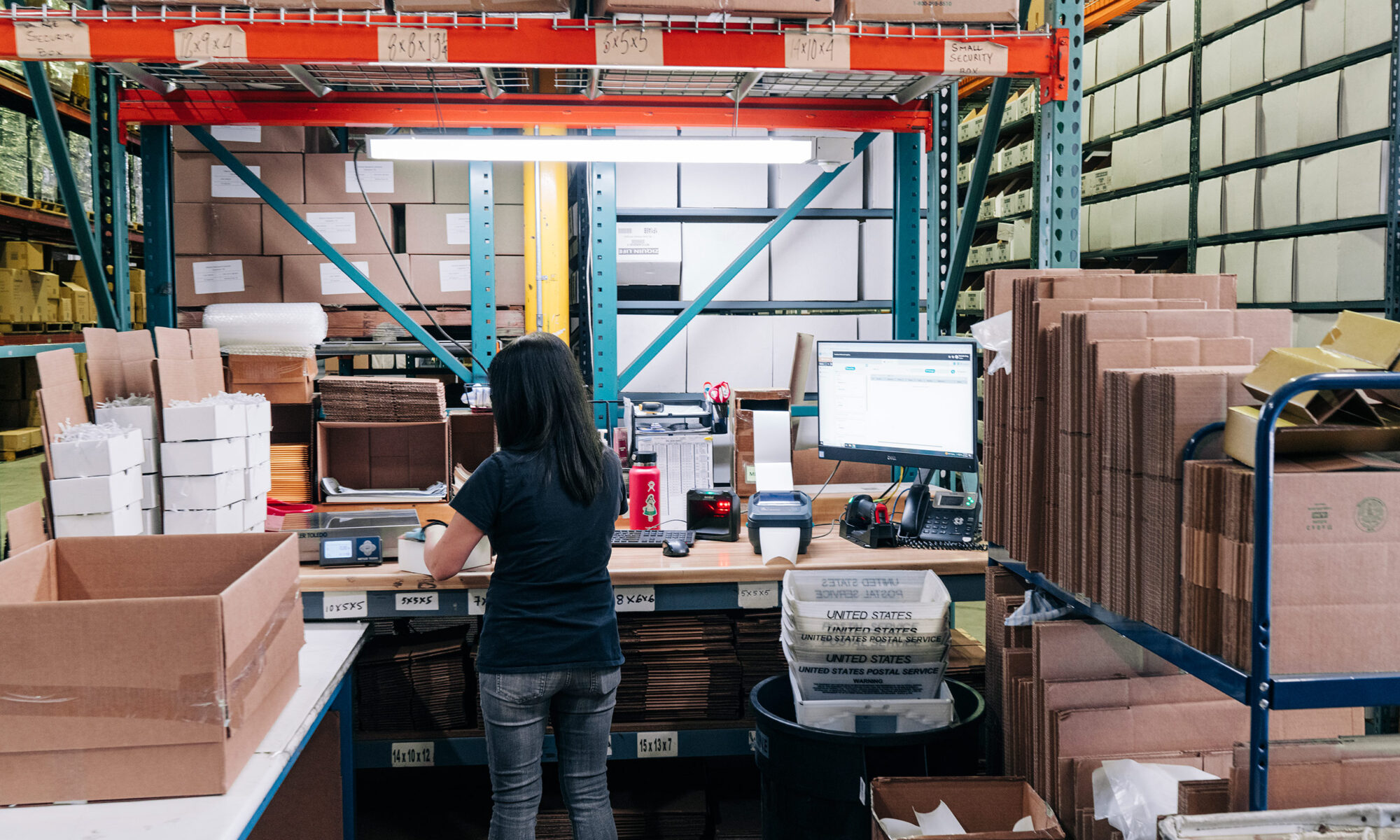
Customer Experience: How Order Fulfillment Impacts Brand Loyalty

Quality Order Fulfillment Leads to Customer Satisfaction

Customer experience is the bedrock of ecommerce success, and few elements contribute as directly to this as order fulfillment. From processing and packaging to shipping and delivery, fulfillment defines your customers’ experience post-purchase. A seamless fulfillment process doesn’t just ensure satisfaction—it builds long-term brand loyalty. This post explores how fulfillment strategies can make (or break) your ecommerce business and offers actionable insights to improve your operations.

What Does Fulfillment Mean in Ecommerce?

Fulfillment encompasses everything that happens between the moment a customer makes a purchase and when the package arrives at their doorstep. Here’s what it involves:

  • Order Processing: Ensuring orders are swiftly and accurately logged.
  • Packaging: Using protective, sustainable, or branded packaging that creates a memorable unboxing experience.
  • Shipping & Delivery: Relying on timely, reliable services to meet delivery expectations.

Without streamlined fulfillment services, businesses risk frustrating customers, undermining trust, and losing future sales.

The Impact of Fulfillment on Brand Loyalty

First impressions don’t stop at your website. An order that arrives late, damaged, or incorrectly packaged can tarnish your brand reputation. Here’s why fulfillment matters:

  • Customer Satisfaction: Quick, accurate deliveries match customer expectations, ensuring a positive experience.
  • Repeat Purchases: Positive fulfillment experiences increase the likelihood of repeat customers.
  • Word of Mouth: Happy customers not only return but recommend your brand to others.

Example: When Zappos introduced lightning-fast, free shipping as part of its fulfillment strategy, it reinforced trust and became a leader in customer loyalty. On the flip side, brands that consistently fail on delivery often face poor reviews and plummeting retention rates.

Strategies to Enhance Fulfillment and Build Brand Loyalty

Improving order fulfillment operations doesn’t have to feel overwhelming. Take these steps to level up your fulfillment game:

  1. Leverage Technology: Use AI tools for inventory forecasting and automation software to reduce errors in order processing.
  2. Partner with an Experienced Fulfillment Company: Collaborate with third-party fulfillment services to streamline packaging and shipping.
  3. Offer Multiple Shipping Options: Give customers the flexibility of choosing standard, expedited, or eco-friendly shipping.
  4. Focus on the Post-Purchase Experience: Emails, tracking updates, and secure packaging leave customers with a positive lasting impression.

Looking to scale up? Use these fulfillment strategies to handle peak-season demand without diminishing quality.

Measuring Fulfillment Success

To ensure your fulfillment strategies are hitting the mark, track these key metrics:

  • On-Time Delivery Rates: Monitor reliability in meeting delivery promises.
  • Order Accuracy Rates: Ensure customers receive exactly what they ordered.
  • Customer Feedback: Regularly analyze customer reviews and satisfaction surveys.
  • Shipping Costs vs. Customer Happiness: Maintain a balance between cost-efficiency and seamless delivery services.

Gather feedback consistently and fine-tune processes to keep up with customer needs and expectations.

The Future of Fulfillment in Ecommerce

Exciting advancements are shaping up in ecommerce order fulfillment. Automation, drone delivery, and warehouse robotics are becoming essential tools for online retailers. Global companies are also adopting environmentally friendly measures like carbon-neutral shipping to align with the values of conscious consumers. Staying ahead of these trends will help you maintain a competitive edge while enhancing customer trust.

Prioritize Fulfillment to Elevate Your Brand

Fulfillment is more than a logistical process—it’s a relationship-building tool. High-quality fulfillment fosters satisfaction, ensures retention, and encourages advocacy for your brand. Ecommerce businesses that prioritize seamless fulfillment create loyal customers who keep coming back.

Take your fulfillment strategies up a notch. Partner with Medallion Fulfillment who can help you deliver excellence in every order.

5 Tips on How to Handle the Inevitable Holiday Returns

Returned Packages

Returns are a necessary cost of doing business, but the price gets even steeper during the post-holiday period. Streamline the process with these helpful tips from our fulfillment company team.

1. Use technology to automate the return process.

Enterprise resource planning (ERP) and other internal software systems can automate many steps that used to be done manually, such as manage authorizations, create shipping labels, and track returned items.

2. Refurbish and reuse returned products.

Sometimes a returned item is just in need of a little TLC. Some eCommerce companies employ technicians who can determine the product’s condition and make any necessary repairs. Once restored, the item can be returned to the original buyer or put back into inventory for resale.

3. Reduce, reuse, recycle.

If a returned product is beyond repair, don’t simply toss it away. Check to see if any usable parts may be reclaimed and partner with a recycling organization to ensure proper disposal of what’s left. This procedure goes a long way toward reducing your carbon footprint.

4. Gather data to improve forecasting, marketing, and inventory decisions.

If returns are considered “mistakes”, then they represent a learning opportunity. Do a deep dive into return trends, product quality issues, and other factors that can be used to reduce the number of future returns and optimize reverse logistics.

5. Make the return process user-friendly.

Do you consider returns to be a thorn in your company’s side? Change your perspective and look at the return process as another element in the sales funnel. A customer-focused return process strengthens your brand and makes a customer more likely to purchase from you in the future.

Partner with a Full-Service Fulfillment Company

Medallion Fulfillment & Logistics has extensive experience in customer service and all aspects of eCommerce business. Contact us to learn more.

Navigating Seasonal Demand: Tips for Efficient Fulfillment During Peak Times

Efficient Fulfillment Tips for Seasonal Demand

Seasonal demand can make or break an ecommerce business. Whether you’re gearing up for holiday shopping, back-to-school sales, or summer clearance, handling peak demand periods effectively is the key to ensuring happy customers and a profitable quarter. But without the right strategies in place, those busy times can quickly turn into logistical nightmares.

This post explores practical ways ecommerce businesses can manage seasonal demand with efficient fulfillment services, so you can keep your operations running smoothly and your customers satisfied.

What Is Seasonal Demand and Its Impact on Ecommerce?

Seasonal demand refers to predictable spikes in customer interest and sales during specific times of the year. For ecommerce businesses, these periods represent golden opportunities—but they also pose challenges like inventory shortages, shipping delays, and overwhelmed customer service teams.

High-demand seasons, such as Black Friday or Valentine’s Day, require businesses to prepare in advance. Without proper planning, the result is slower deliveries, unsatisfied customers, and potential damage to your brand reputation.

Understanding Peak Times Across Industries

Different ecommerce industries experience peak times based on their products. Some examples include:

  • Retail & Apparel: The holiday season, back-to-school months, and summer.
  • Home Goods: Spring (home improvement boom) and autumn (cozy redecoration).
  • Food/Gourmet Goods: Thanksgiving, Christmas, and New Year’s Eve.
  • Outdoor Gear: Spring and summer when outdoor activities peak.

Knowing your industry’s peak times will help you align your inventory and logistics strategy accordingly.

Challenges of Seasonal Demand

Managing seasonal demand comes with unique challenges:

  • Overwhelmed Fulfillment Teams: During seasonal spikes, fulfillment companies may struggle to scale up operations.
  • Inventory Overstock or Shortages: Mismanaged forecasting can lead to either unsold products or insufficient stock.
  • Shipping Delays: Carrier services are often stretched thin during busy periods.
  • Customer Expectations: Increased demand raises customer expectations and puts extra pressure on maintaining a positive shopping experience.

If left unaddressed, these challenges can hurt sales, customer satisfaction, and your business’s bottom line.

Strategies for Efficient Fulfillment During Peak Times

Forecasting and Planning

Accurate demand forecasting is the foundation of seasonal success. Use historical sales data and predictive analytics to estimate demand accurately. Once you’ve forecasted, stock up on high-demand products and ensure your fulfillment company is equipped to handle increased volume.

Tips:

  • Monitor trends from previous years for your industry and product lines.
  • Work closely with your fulfillment service provider to discuss stocking strategies.

Optimizing Supply Chain

A streamlined supply chain ensures faster delivery and fewer disruptions during peak times. Review your current processes and identify bottlenecks well in advance.

Actions to take:

  • Strengthen relationships with suppliers to avoid stock delays.
  • Choose fulfillment services with strong carrier partnerships to guarantee dependable shipping options.

Implementing Technology

Automation and AI can take your seasonal logistics to the next level by simplifying operations and minimizing manual effort. Fulfillment companies with integrated technologies make this process easier.

Tech solutions to consider:

  • Warehouse management systems (WMS) to improve inventory organization.
  • Automated communication tools to keep customers updated on orders.
  • AI-powered demand forecasting for precise insights.

Customer Service and Satisfaction

During high-demand periods, exceptional customer service becomes essential. Be proactive in managing communication to reduce frustration:

  • Provide real-time updates on stock levels and delivery times.
  • Offer self-service options like tracking portals or chatbots.

Happy customers are the hallmark of a successful season, and clear communication builds trust.

Marketing and Sales Strategies

Finally, capitalize on seasonal demand through smart promotions while remaining realistic about your fulfillment capabilities:

  • Create urgency through limited time offers and countdown deals.
  • Be transparent about cutoff dates for shipping to manage expectations effectively.

Strategic marketing aligned with efficient operations can amplify your results during peak periods.

Prepare for Your Next Peak Season

Efficient fulfillment is the backbone of seasonal success for ecommerce businesses. From accurate demand forecasting to leveraging powerful technologies, the right strategies will ensure you’re ready to handle any spike in orders.

Need a fulfillment company that can keep you ahead of the curve during peak times? Contact us today and learn how our innovative fulfillment services can be tailored to meet your needs.

What Is a Fulfillment Service? A Guide for Growing Stores

Medallion Warehouse Station for packing and shipping products

Running an eCommerce store often feels like juggling flaming swords. You have to handle marketing, website maintenance, product development, and customer service. Then, just when you think you have a handle on things, an order comes in. That should be a moment of celebration. Instead, it triggers a panic about cardboard boxes, packing tape, and rushing to the post office before it closes.

If this scenario sounds familiar, you are likely handling fulfillment yourself. While self-fulfillment works for hobbyists, it quickly becomes a bottleneck for growing businesses. This is where a fulfillment service steps in.

This guide will break down exactly what a fulfillment service is, how the process works behind the scenes, and why partnering with one is often the turning point for successful online brands.

Defining the Fulfillment Service

At its simplest level, a fulfillment service is a third-party company that stores your products, packs your orders, and ships them to your customers on your behalf. In the logistics industry, this is often referred to as Third-Party Logistics, or 3PL.

Think of a fulfillment center as your business’s backend warehouse and shipping department combined. instead of your garage or a rented storage unit, your inventory lives in a professional facility designed specifically for efficiency. When a customer buys something from your website, the order data flows directly to this facility. A team of professionals then picks the item off the shelf, packs it securely, and hands it off to a shipping carrier like UPS, FedEx, or USPS.

You sell the product; they do the heavy lifting to get it to the customer’s doorstep.

How the Fulfillment Process Actually Works

The concept sounds simple, but the machinery behind it is quite sophisticated. To understand the value, it helps to see the lifecycle of an order through the eyes of a fulfillment provider like Medallion Fulfillment & Logistics.

1. Receiving and Inventory Storage

Before any orders can be shipped, your products must arrive at the fulfillment center. This stage is called “receiving.” You send your inventory—whether it’s a few pallets or several truckloads—to the fulfillment warehouse.

The receiving team checks the shipment to ensure everything arrived safely and matches the packing list. Once verified, your items are scanned into an inventory management system and placed in designated storage locations. This might be on pallet racks for large items or in bins for smaller goods. You can usually view these inventory levels in real-time through a digital dashboard, so you always know what is in stock without having to count it yourself.

2. Order Processing

This is where the magic happens. When a customer places an order on your Shopify, WooCommerce, or Amazon store, that information is automatically transmitted to the fulfillment center’s warehouse management system (WMS).

This integration is crucial. It means you don’t have to email spreadsheets or manually enter addresses. The system verifies the address, checks stock levels, and generates a “pick list” for the warehouse staff.

3. Picking and Packing

A warehouse associate receives the pick list and locates your items within the facility. Professional fulfillment centers use optimized routes to ensure pickers aren’t wasting time walking back and forth unnecessarily.

Once the items are picked, they move to a packing station. Here, experts choose the right size box or mailer to minimize waste and reduce shipping costs. They add necessary dunnage (bubble wrap, air pillows, or kraft paper) to protect the product. If you have custom packaging requirements—like branded tissue paper or marketing inserts—this is where they are added to create a memorable unboxing experience.

4. Shipping

The packed box is sealed, weighed, and labeled. Because fulfillment services ship thousands of packages a day, they negotiate bulk shipping rates with major carriers. These savings are often passed on to you, meaning it’s frequently cheaper for a 3PL to ship your package than for you to do it yourself.

Carriers pick up the shipments daily. Tracking numbers are automatically sent back to your online store, which then emails the customer to let them know their package is on the way.

5. Returns Management (Reverse Logistics)

eCommerce returns are inevitable. A good fulfillment service handles this headache for you. Customers ship items back to the warehouse, where the team inspects them for damage. If the item is in sellable condition, it goes back into inventory. If not, it is disposed of according to your rules.

Why eCommerce Owners Need a Fulfillment Partner

You might be thinking, “I can pack boxes myself. Why should I pay someone else to do it?” That is a valid question for a brand new store. However, as you scale, the opportunity cost of packing your own boxes becomes massive.

Reclaiming Your Time

Every hour you spend taping boxes is an hour you are not spending on growth. You cannot build a marketing strategy, design new products, or negotiate with suppliers if you are buried in packing peanuts. Outsourcing fulfillment buys back your most valuable asset: time. It allows you to focus on working on your business rather than in your business.

Lowering Shipping Costs and Transit Times

Customers today expect Amazon-level speed and free shipping. Competing with that as a small business is tough.

Fulfillment centers often have strategic locations that allow them to reach the majority of customers within 1-2 days. Furthermore, their negotiated carrier rates can significantly lower your shipping spend. A solo merchant paying retail rates at the post office is at a severe disadvantage compared to a merchant using a 3PL’s bulk discounts.

Scaling Without Growing Pains

What happens if your product goes viral on TikTok tomorrow? If you get 500 orders overnight, can you physically pack them all in your living room?

Handling a sudden spike in sales is the downfall of many small businesses. They get the orders but fail to deliver them on time, leading to bad reviews and chargebacks. A fulfillment service is built for scalability. They have the staff and infrastructure to handle spikes in volume seamlessly. Whether you sell 10 products a day or 10,000, the process remains the same for you.

Professional Inventory Management

Losing track of stock leads to two expensive problems: overselling (selling items you don’t have) and dead stock (ordering items you don’t need). Fulfillment services provide sophisticated technology that tracks every SKU. You get data-driven insights on which products are moving fast and which are gathering dust, helping you make smarter purchasing decisions.

When Is the Right Time to Outsource?

There is no single rule, but there are clear signs that it is time to make the switch.

If your house is overflowing with boxes, your family is tired of helping you pack orders on weekends, or you find yourself dreading the “cha-ching” notification of a new sale because it means more work, it is time to look for a partner.

Additionally, if you want to expand internationally or offer 2-day shipping to compete with big box stores, you likely need the infrastructure of a professional logistics provider.

The Medallion Fulfillment & Logistics Difference

Choosing a fulfillment partner is like choosing a business partner. You need reliability, transparency, and communication.

At Medallion Fulfillment & Logistics, we don’t just move boxes; we help move businesses forward. We understand that we are the last touchpoint between you and your customer. When a package arrives on time and perfectly packed, your customer credits you, not us—and that is exactly how it should be.

We offer flexible solutions tailored to your specific needs, whether you are a startup looking to stabilize your operations or an established brand seeking better rates and service. Our technology integrates seamlessly with your store, giving you total visibility without the manual labor.

Ready to Stop Packing and Start Growing?

Don’t let logistics limit your potential. If you are ready to streamline your shipping, reduce your overhead, and delight your customers with faster delivery, it is time to talk to Medallion Fulfillment & Logistics.

Contact us today for a free consultation and quote. Let us handle the logistics so you can get back to building your empire.

Stay Ahead of Demand: The Ecommerce Fulfillment Playbook

Demand Forecasting with Your Fulfillment Company

Introduction

Demand forecasting plays a pivotal role in the world of ecommerce. It ensures that businesses have the right product, in the right place, at the right time—a critical factor for customer satisfaction and driving profits. For ecommerce brands working with fulfillment companies, effective demand forecasting isn’t just a nice-to-have; it’s essential for scaling operations and achieving sustainable growth.

This guide will walk you through five essential steps to master demand forecasting with your fulfillment company. By the end, you’ll understand how to align your forecasting strategy with your operational goals to meet customer demands seamlessly and efficiently.

1. Understand Why Demand Forecasting Is Crucial for Ecommerce

Demand forecasting allows ecommerce businesses to predict future customer demand based on historical sales data, market trends, and seasonality. But why does this matter so much?

  • Optimize Inventory Levels: Proper forecasting helps prevent overstocking (which drains cash flow) or understocking (which leads to lost sales).
  • Enhance Customer Experience: Meeting delivery expectations keeps customers happy and builds brand loyalty.
  • Improve Budget Planning: Forecasting provides clarity for marketing spend, staffing, and storage needs.

For example, imagine an ecommerce company preparing for the holiday season. By analyzing historical sales trends and considering current market dynamics, they can accurately anticipate increased demand for popular products and avoid scrambling to fulfill last-minute orders. These insights become even more valuable when aligned with the capabilities of their fulfillment company.

2. Collaborate Effectively with Your Fulfillment Partner

Your fulfillment company plays a vital role in how well your forecasting efforts translate into operational success. Effective collaboration starts with transparency.

Here’s what to consider when working with your fulfillment company:

  • Capacity Planning: Share upcoming sales projections well in advance, especially ahead of peak seasons, to ensure warehouse space and inventory handling are optimized.
  • Shipping Timelines: Align on carrier cut-offs and delivery timelines to meet customer expectations.
  • Real-Time Reporting: Request regular updates on stock levels, shipment delays, and fulfillment rates to maintain visibility into your operational processes.

When your fulfillment company is fully in the loop, they can anticipate your needs and help smooth out any bumps in demand fluctuations. This synergy is key to running a seamless operation.

3. Collect and Analyze Data for Accurate Forecasts

Accurate forecasting begins with high-quality data. Leveraging both internal and external data points helps you build a more reliable demand outlook.

Where to Gather Your Data:

  • Internal Metrics:
  • Historical sales data
  • Website traffic patterns
  • Inventory turnover rates
  • External Metrics:
  • Market trends
  • Competitor sales and pricing
  • Market trends
  • Consumer behavior analysis
  • Industry benchmarks

Best Practices for Data Analysis:

  1. Segment Your Data: Break down sales by product, region, or channel to identify specific trends.
  2. Account for Seasonality: Incorporate insights from periods of historically high or low demand (e.g., holidays, back-to-school) into your model.
  3. Review Inventory Performance: Pay attention to metrics like sell-through rate and days of stock on hand to determine whether any adjustments are needed.

By combining qualitative insights from your data with your fulfillment company’s operational expertise, you’ll build a more complete picture of demand trends.

4. Integrate Technology to Boost Efficiency and Accuracy

Forecasting is only as strong as the tools you use. Modern technology like AI and automation can revolutionize the way ecommerce businesses predict demand, bridging the gap between guesswork and precision.

Here’s how technology can enhance your forecasting efforts:

  • AI-Driven Predictions: Tools like inventory management software powered by machine learning can process vast amounts of data, uncover hidden patterns, and provide highly accurate predictions.
  • Automation: Platforms that integrate with your ecommerce software (like Shopify or WooCommerce) and your fulfillment company can automate processes like restocking alerts and order tracking.
  • Scenario Planning: Many tools now enable predictive analytics, so you can evaluate the impact of multiple forecasting scenarios and make informed decisions.

For example, a subscription-based ecommerce brand could use AI forecasting models to predict spikes in month-to-month renewals, ensuring enough inventory is reserved to meet recurring orders without impacting service levels.

5. Communicate and Collaborate Continuously

Communication with your fulfillment company and internal teams isn’t a one-and-done process—it’s an ongoing partnership. Collaboration improves both short-term responsiveness and long-term forecasting accuracy.

Tips to Strengthen Collaboration:

  • Share Insights Regularly: Update your fulfillment partner on changes in marketing campaigns, customer demand, and new product launches.
  • Establish a Feedback Loop: Actively seek feedback from your fulfillment company on operational challenges they might foresee (e.g., bottlenecks during peak periods).
  • Review Performance Together: Compare projected vs. actual demand and identify gaps in execution to refine your approach for the future.

Imagine a new ecommerce brand launching its first summer product line. By proactively sharing marketing plans and anticipated sales with their fulfillment company, they can align on strategies for order handling, reducing the likelihood of disruption.

6. Monitor, Adjust, and Iterate

Even the most well-thought-out forecast will need adjustments. Market conditions, consumer behavior, and external factors (like supply chain disruptions) can shift rapidly. Monitoring your forecasts and making real-time adjustments ensures you stay on track.

Strategies for Continuous Improvement:

  • Track KPIs: Keep an eye on metrics like forecast accuracy, inventory carrying cost, and fulfillment times.
  • Audit Regularly: Schedule routine check-ins to analyze forecast performance and finetune models as your business grows.
  • Stay Agile: Always be prepared to pivot when unexpected demand fluctuations arise—whether it’s a viral marketing campaign or supply shortages.

This iterative approach allows your ecommerce business to grow and adapt while maintaining trust with customers and stakeholders.

Concluding Thoughts

Mastering demand forecasting is the foundation of ecommerce growth. By accurately predicting demand, collaborating with your fulfillment company, and integrating advanced technology, your business can stay ahead of customer needs and industry trends.

The result? Reduced costs, improved customer satisfaction, and scalable operational efficiency. Looking to refine your forecasting strategy? Contact us to explore tools tailored to optimizing ecommerce fulfillment today!