
Resilience in the Storm: Building a “Disaster-Proof” Supply Chain

Supply chain volatility is no longer a rare event. From sudden port labor disputes to severe weather anomalies, disruptions have become a regular part of doing business. When containers sit anchored offshore and freight costs unexpectedly spike, small to medium business owners are often the ones who feel the strongest financial impact.

Shipping delays directly erode customer trust and cut into your bottom line. Customers who expect fast, reliable delivery will quickly abandon their shopping carts if they see extended shipping times. Relying on a single distribution point leaves your business entirely exposed to regional bottlenecks, forcing you to constantly react to emergencies rather than focusing on growth.

Fortunately, you can protect your operations by building redundancy into your logistics network. By distributing your inventory strategically and leveraging established carrier partnerships, you can transform supply chain vulnerabilities into competitive advantages. Here is how adopting a multi-node fulfillment strategy keeps your business thriving, even when unexpected storms hit.

The single-point-of-failure risk

Placing all your inventory in one geographic location might seem easier to manage initially, but it creates a massive vulnerability. If a port strike or natural disaster shuts down your only warehouse region, your entire fulfillment operation grinds to a halt.

Consider the recent labor disputes that rattled the logistics industry. In October 2024, a major dockworker strike temporarily shut down 36 ports along the East and Gulf Coasts. Over 45,000 workers walked off the job, freezing roughly 40% of total United States cargo volume. Industry experts estimated the economic impact of that brief shutdown reached up to $5 billion per day. Even a short disruption creates massive operational backlogs. Supply chain analysts noted that just one week of a port strike can result in nearly a month of congestion and delays.

The West Coast has faced its own share of hurdles. Throughout early 2023, unresolved labor contract negotiations caused severe uncertainty at major ports like Los Angeles and Long Beach. Shippers became wary of potential lockouts and rapidly diverted their freight elsewhere.

When your business relies on a single warehouse, you have no safety valve during these crises. Your products sit stranded in containers, backorders pile up, and your customer service team is left apologizing for delays entirely out of your control.

Strategic redundancy: Splitting inventory from coast to coast

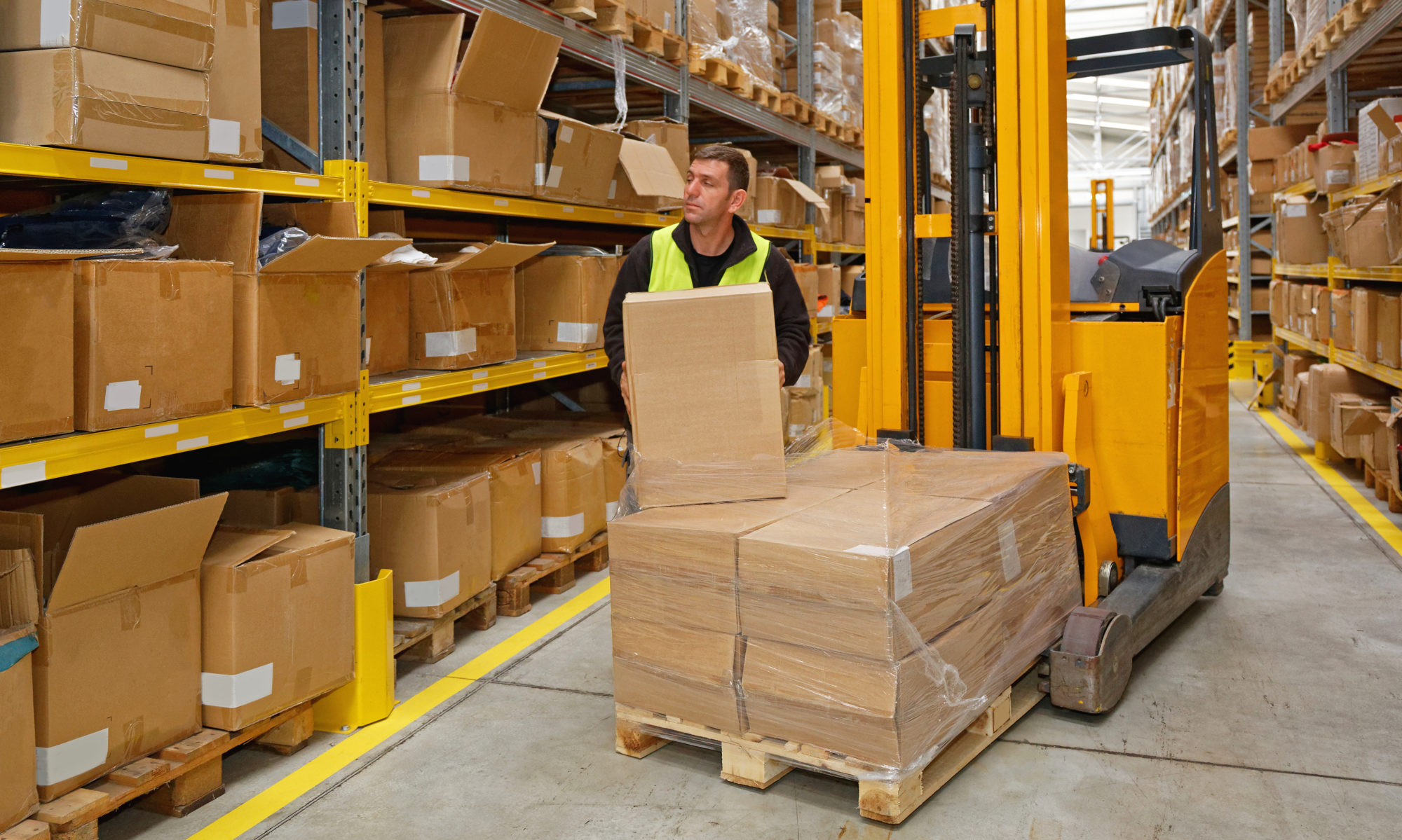
The most effective way to eliminate the single-point-of-failure risk is by decentralizing your inventory. A multi-node distribution strategy involves placing your products in multiple fulfillment centers across different regions. At Medallion Fulfillment & Logistics, our dual-coast footprint features strategic warehouse locations in Los Angeles and Boston.

Splitting your inventory between the West Coast and the East Coast provides a critical safety net. If an Atlantic storm delays shipments into Boston, your Los Angeles facility can seamlessly pick up the slack to keep orders moving. This geographic diversification ensures your business remains operational regardless of localized disruptions.

Beyond disaster mitigation, a dual-coast strategy offers several everyday business benefits:

  • Faster delivery times: Storing products closer to your end consumers drastically reduces transit times. You can consistently meet consumer expectations for fast shipping without relying on expensive expedited air freight.
  • Lower shipping costs: Shipping packages across the country eats into your profit margins. By fulfilling orders from the warehouse closest to the buyer, you reduce the shipping distance and lower your carrier costs.
  • Smarter inventory management: You can allocate your stock based on regional buying trends. If a particular product sells better on the East Coast, you can heavily stock the Boston facility to meet that specific demand.

The veteran’s advantage: Navigating tight capacity

Having a solid warehouse network is only half the battle. You also need reliable transportation to move your goods from the port to the warehouse, and from the warehouse to your customer. During times of severe supply chain disruption, carrier capacity tightens rapidly. Trucking shortages emerge, prices surge, and newer businesses often struggle to secure space on delivery trucks.

This is where experience becomes your greatest asset. Medallion Fulfillment & Logistics brings over 30 years of established relationships with major freight carriers and parcel networks. The logistics industry operates heavily on trust, volume, and long-term partnerships. Because we have spent decades collaborating with top-tier carriers, we secure priority space and better pricing for our clients, even during peak seasons or industry crunches.

You do not have to waste your valuable time negotiating spot rates or frantically searching for available trucks. Our veteran team leverages these deep-rooted connections to keep your shipping costs manageable while providing superior, uninterrupted service to your buyers.

Real-time agility with a unified tech stack

Managing inventory across multiple warehouses might sound complicated, but modern logistics technology makes it seamless. Effective multi-node distribution requires total visibility over your stock levels and incoming orders. You need to know exactly what products are sitting in Los Angeles and what is available in Boston at any given moment.

We utilize a unified tech stack that integrates warehouse management and order management directly with your eCommerce platforms. This technology functions as a central command center for your entire operation.

  • Automated order routing: When a customer places an order, the system instantly calculates the optimal fulfillment location. It factors in product availability, customer proximity, and current shipping rates to ensure the most cost-effective delivery.
  • Real-time inventory visibility: You can monitor your stock levels across both facilities from a single dashboard. This prevents stockouts and helps you accurately forecast when it is time to reorder from your suppliers.
  • Instant pivoting during disruptions: If a regional disruption occurs, you can immediately reroute fulfillment rules. The software allows you to pause shipping from an affected facility and automatically push all incoming orders to the operational warehouse.

This level of real-time agility turns sudden supply chain surprises into smoothly managed planned moves. Your customers simply receive their orders on time, completely unaware of the complex logistics executing behind the scenes.

Future-proof your fulfillment strategy

Selling your products and growing your brand is what you know and love. Constantly worrying about port congestion, weather delays, and carrier capacity takes your focus away from scaling your business. Building a resilient, disaster-proof supply chain requires strategic planning, trusted carrier relationships, and the right geographic footprint.

You can turn complex logistics into a seamless growth engine by partnering with an experienced third-party logistics provider. Keep your eCommerce shop running smoothly around the clock, no matter what disruptions occur globally. Contact us at Medallion Fulfillment & Logistics to learn more about our dual-coast capabilities and how we can customize an innovative, cost-effective solution to fit your specific business needs.

Why Fulfillment and Unboxing Are Your Best Retention Tools

Customer acquisition costs are climbing higher every year. You spend significant time and money optimizing your Google Ads, dialing in your website design, and capturing fresh leads. Securing a new sale feels like a major victory. The reality is that acquiring a new customer is wildly expensive compared to keeping the ones you already have.

Research from Bain & Company shows that a mere 5% increase in customer retention can produce more than a 25% increase in your overall profits. Returning buyers spend more, cost less to serve, and refer your business to their friends.

The secret to creating these long-term brand advocates happens far away from your digital storefront. It happens in the warehouse, on the delivery truck, and right on your customer’s doorstep. This guide explores how optimizing your fulfillment process, unboxing presentation, and delivery speed will transform first-time buyers into lifelong loyalists.

The Post-Purchase Gap

Many businesses treat the checkout process as the finish line. Once a shopper reaches the “Thank You” page, the marketing efforts stop. This creates a massive missed opportunity known as the post-purchase gap.

The post-purchase gap is the period between the moment a customer clicks the buy button and the moment the package arrives at their home. According to recent surveys, two-thirds of online shoppers experience anxiety during this waiting period. They worry about late deliveries, incorrect items, or damaged goods.

You can ease this anxiety and build massive trust by turning this waiting period into a positive engagement. Clear communication, accurate tracking updates, and reliable shipping timelines bridge the gap. When you successfully manage customer expectations during this crucial window, you lay the foundation for a strong, ongoing relationship.

The Medallion Touch: Custom Kitting and Branded Packaging

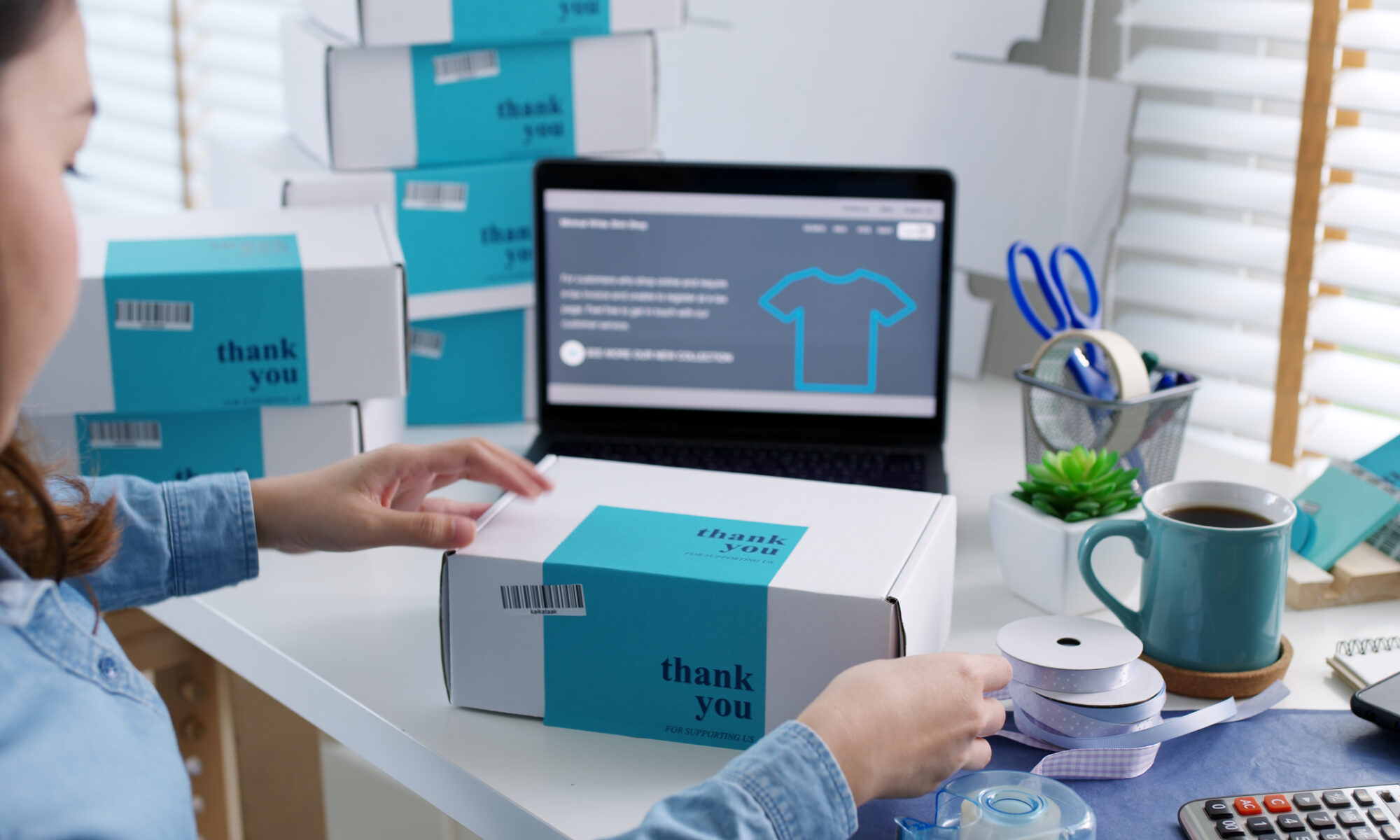
When your package finally arrives, it represents the first physical interaction a buyer has with your brand. A generic brown box filled with crumpled packing paper does little to inspire loyalty. By upgrading this moment, you create a memorable event that encourages social sharing and repeat business.

This is where the Medallion touch comes into play. Custom kitting and branded packaging, when executed flawlessly at scale, elevate your product from a simple commodity to a premium experience.

Consider the impact of a highly curated presentation:

  • Social Media Sharing: A packaging study from Dotcom Distribution revealed that 40% of consumers will share an image of a product’s packaging on social media if it is unique or branded. Your buyers become free marketers for your business.
  • Perceived Value: High-quality boxes, neatly arranged components, and customized inserts make your product feel more valuable. Customers feel validated in their purchase decision.
  • Customer Engagement: Adding personalized thank-you notes, discount codes for future purchases, or product samples directly inside the box gives buyers a compelling reason to return to your store.

Kitting allows you to bundle related items together into a single, cohesive package. An experienced fulfillment partner can assemble these custom kits efficiently, ensuring every customer receives the exact presentation you envisioned.

Speed as Loyalty: Correlating Delivery with Lifetime Value

Consumers have been conditioned to expect lightning-fast shipping. Two-day delivery is no longer viewed as a premium perk. For most of your audience, it is the baseline expectation.

The speed of your delivery directly influences your Customer Lifetime Value (LTV). LTV measures the total revenue a single customer will generate throughout their relationship with your business. Fast, reliable shipping significantly boosts this metric.

The data backs up the connection between delivery speed and customer behavior:

  • Reduced Cart Abandonment: The Baymard Institute found that 21% of online shoppers will abandon their cart completely if they feel the delivery options are too slow.
  • Increased Repeat Purchases: Research from MetaPack shows that 61% of consumers say a positive delivery experience incentivizes them to shop with an ecommerce retailer again.
  • Lost Trust: Narvar’s 2025 consumer report highlights that 60% of young shoppers refuse to buy from a retailer again after a single late delivery.

Shipping delays cost you future revenue. By offering fast delivery options, you secure the initial sale and dramatically increase the likelihood that the customer will return.

The Human Element in Fulfillment

Technology and automated software are critical for routing orders and managing inventory. Even with the best software in place, the physical act of picking, packing, and shipping relies heavily on people. The human element of fulfillment is what ensures your unboxing experience is perfect every single time.

A slight error by warehouse staff can ruin the entire customer experience. Missing items, poorly packed fragile goods, or the wrong packing slip will instantly drain a buyer’s trust.

Let’s face it. Selling is what you know and love. Managing warehouse operations, hiring staff, and negotiating with shipping carriers pulls you away from growing your business. Partnering with an experienced fulfillment warehouse solves this problem.

A trusted logistics partner offers several distinct advantages:

  • Accuracy at Scale: Expert staff follow strict quality control protocols to pick and pack orders correctly, even during massive seasonal volume spikes.
  • Carrier Relationships: Established fulfillment centers have deep relationships with major shipping carriers. This keeps your shipping costs down while maintaining fast, reliable transit times.
  • Strategic Problem Solving: Experienced teams can quickly address shipping exceptions, handle returns smoothly, and adapt to your changing inventory needs.

You gain the peace of mind knowing professionals are handling your physical products with the same care you would use yourself. In the meantime, you are free to work on building your business and improving your marketing strategies.

Keep Your eCommerce Shop Running on All Cylinders

Your fulfillment strategy is a powerful marketing asset. By closing the post-purchase gap, investing in branded packaging, prioritizing delivery speed, and leaning on human expertise, you can turn a one-time buyer into a dedicated fan.

You need a logistics strategy that actively supports your business goals. Contact us at Medallion Fulfillment & Logistics to learn more about our innovative, cost-effective solutions that can be customized to fit your particular needs.

From Startup to Scale: Why Your Choice of Fulfillment Partner Is the Real Secret to eCommerce Success

Medallion is your experienced ecommerce fulfillment partner.

In the early days of an eCommerce business, “logistics” often means a garage filled with bubble wrap and a dedicated founder making daily runs to the post office. It’s a badge of honor—a sign of the hustle. But as your brand gains traction, that hustle can quickly become a bottleneck.

There comes a tipping point where managing your own shipping no longer feels like “control.” Instead, it feels like an anchor dragging behind your growth. At this stage, your business doesn’t just need a warehouse; it needs an experienced fulfillment partner. At Medallion Fulfillment & Logistics, we’ve spent over 30 years helping brands bridge the gap between “growing” and “global.” We understand that in the modern market, your logistics strategy is your competitive advantage. Here is why the right partnership—specifically a bi-coastal one—is the engine that will drive your business forward.

The Hidden Cost of Inexperience

Logistics is a game of inches and pennies. An inexperienced or purely tech-focused 3PL might offer a slick dashboard, but they often lack the operational grit required when things get complicated.

When you partner with an industry veteran, you aren’t just paying for shelf space; you are buying decades of refined processes. Experience means:

  • Error Reduction: We’ve seen every “edge case” in the book. Our systems are honed to ensure the right product reaches the right customer, every time.

  • Carrier Leverage: Thirty years in the business builds deep relationships. We leverage our massive shipping volumes to negotiate deep discounts with carriers like UPS, FedEx, and USPS—savings that we pass directly to you.

  • Flexibility: Whether you are dealing with a viral TikTok surge or preparing for the Q4 holiday rush, an experienced partner provides “elastic capacity.” We scale up when you need us and lean down when you don’t.

The Power of Two: The Bi-Coastal Advantage

For a U.S.-based eCommerce business, geography is your biggest challenge. If your inventory is sitting in a single warehouse in the middle of the country—or worse, tucked away on just one coast—you are fighting a losing battle against “Shipping Zones.”

Shipping carriers divide the country into zones. The further a package travels, the higher the zone number and the higher the cost. This is why Medallion Fulfillment & Logistics operates strategic hubs in both Los Angeles and Boston. This bi-coastal footprint is a game-changer for your bottom line and your customer experience.

1. Slashing Shipping Costs via “Zone Skipping”

When you split your inventory between our Los Angeles and Boston facilities, you effectively “shorten” the map. A customer in San Francisco receives their order from our LA warehouse (Zone 1 or 2), while a customer in New York receives theirs from Boston.

By eliminating high-zone, cross-country shipments, our clients typically see a 15% to 25% reduction in average shipping costs. In an industry where margins are everything, that’s capital you can reinvest into marketing and product development.

2. Meeting the “Amazon Expectation”

We live in an era of instant gratification. Modern consumers don’t just want their orders; they want them now. A single-warehouse model often results in 5–7 day transit times for customers on the opposite coast.

With Medallion’s bi-coastal setup, you can reach the vast majority of the U.S. population in 1–3 days via affordable ground shipping. You get the speed of air shipping at the price of ground. This level of responsiveness builds the kind of brand loyalty that keeps customers coming back.

3. Strategic Import and Port Access

Our locations aren’t just about domestic shipping; they are about global logistics.

  • Los Angeles: Our West Coast facility is minutes from the Port of Los Angeles and Long Beach. For brands manufacturing in Asia, this means we can receive, unload, and fulfill containers faster than inland warehouses, reducing inbound drayage costs.

  • Boston: Our East Coast presence provides a strategic gateway for European imports and serves the most densely populated corridor in the United States.

Technology That Plays Nice

While we pride ourselves on being a family-owned business with a “human” touch, our infrastructure is cutting-edge. We utilize a common software application across both warehouses, giving you a single, unified view of your business.

Our “Central Command” system automatically routes every order to the warehouse that can get it there the fastest and cheapest. You get real-time visibility into your inventory levels across both coasts, ensuring you’re never caught off guard by a stockout.

More Than a Vendor: A Partner Who’s Been There

Medallion Fulfillment & Logistics is an American success story. We started in the Kent family garage years ago, so we know exactly what it’s like to stay up late solving logistical puzzles. We haven’t forgotten those roots.

Unlike faceless “fulfillment-as-a-service” tech giants, we are a partner you can actually call. Whether you need specialized kitting, Amazon Stock Warehouse Replenishment, or a custom “unboxing experience” that reflects your brand’s values, we handle your products with the care of an owner.

Conclusion: Ready to Scale?

In the world of eCommerce, you don’t just compete on your product—you compete on your ability to deliver that product. Partnering with an experienced, bi-coastal fulfillment provider like Medallion allows you to stop worrying about shipping zones and start focusing on your vision.

Lower costs. Faster shipping. Scalable expertise. That is the Medallion difference.

The “Gravity-Grip” Kerfuffle: A Case Study in Friction (and Frictionless Logistics)

Images of the yoga mat being sold at the warehouse.

As the Marketing Director of Premier Coast-to-Coast Logistics, I’ve spent a lot of time explaining that fulfillment isn’t just “moving boxes.” It’s an art form. It’s a dance. Sometimes, it’s a high-stakes wrestling match with physics.

While most of our clients ship normal things—like shoes that stay in their boxes or books that don’t try to escape—we recently took on a project for a startup that tested the absolute limits of our Los Angeles and Boston facilities.

Enter the Gravity-Grip Infinite Yoga Mat.

The Product: A Material Science “Oopsie”

The folks at Sub-Zero Gravity Labs (fictional, obviously) invented a proprietary material called Static-Foam. The pitch was simple: A yoga mat that uses molecular suction to ensure your hands and feet never slip, regardless of how much you sweat.

The reality? The mat was too good. It didn’t just grip your hands; it gripped everything. If you laid it on a hardwood floor, you needed a crowbar to get it up. If two mats touched each other without a protective barrier, they became one single, inseparable Mega-Mat.

It didn’t need climate control. It didn’t need refrigeration. It just needed to be kept away from literally every other surface in the known universe.

The Strategy: The “Non-Stick” Bi-Coastal Split

The client was based in Sedona but had two massive, clashing demographics: the “Eco-Influencers” of Santa Monica and the “Industrial Loft Minimalists” of Boston’s Seaport District.

Shipping these from a single warehouse in the middle of the country was impossible. Why? Because the vibration of a long-haul truck caused the mats to “settle,” effectively fusing the entire pallet into a 500-pound block of rubber. We had to use our dual-hub system to minimize transit time and maximize “Anti-Cling” protocols.

  1. The Los Angeles Hub: The “Peel and Ship” Operation

In our L.A. facility, the challenge was volume. The West Coast launch went viral on a popular video-sharing app because a famous influencer got her leggings stuck to the mat and had to be cut out of them. Suddenly, everyone wanted one.

  • The Problem: We received 10,000 units of individual mats that were protected only by a thin layer of “De-Ionized Paper.” If that paper ripped, the mat would bond to the warehouse racking.
  • The Solution: Our L.A. team implemented the Vertical Suspension Method. Instead of stacking them, we used specialized hooks to hang the mats like cured meats in a deli.

The Result: We reduced “surface-bond incidents” to zero and maintained a lightning-fast pick-and-pack rate. Because our L.A. warehouse is only miles from the port, we were able to fulfill the “Influencer Wave” in under 24 hours.

  1. The Boston Hub: The “Static” Situation

While L.A. was dealing with volume, Boston was dealing with electricity. The air in a New England warehouse in late autumn is dry. Dry air + Static-Foam = A literal lightning factory.

  • The Problem: Every time a picker grabbed a Gravity-Grip mat, they generated enough static electricity to jump-start a dead car battery. Our team was getting zapped so hard their hair was standing up for three days straight.
  • The Solution: Sully, our Boston floor manager, didn’t panic. He outfitted the entire fulfillment team with Grounding Anklets. We also swapped our standard plastic packing tape for a specialized copper-infused linen tape that neutralized the charge upon contact.

The Result: Not only did we stop the accidental electrocution of our staff, but the copper tape became a “premium packaging feature” that Boston customers loved. It looked “steampunk,” apparently. We fulfilled 8,000 units across the Tri-State area without a single singed eyebrow.

The Fictional Data: Friction vs. Flow

To illustrate how our bi-coastal approach saved this launch, let’s look at the “Cling-Factor” metrics.

MetricCentralized Shipping (Hypothetical)Premier Coast to Coast (Actual)
Transit Time5-7 Days1-2 Days
Mat Fusion Rate12% (Pallets became blocks)0.01% (One mat stuck to a stapler)
Shipping Cost$22.00 per unit (Heavy/Oversized)$9.50 per unit (Local Zone delivery)
Worker Morale"I'm stuck to the floor""I love these grounding anklets"

Why Your Boring Product Deserves This Treatment

You might be shipping coffee beans, phone cases, or artisanal spatulas. Your products probably don’t generate 50,000 volts of electricity or fuse to the walls.

But the logistics principles remain the same:

  1. Zone Skipping Saves Margins: By stocking in L.A. and Boston, you aren’t paying the “Cross-Country Tax.” You’re paying local rates.
  2. Specialized Handling: Every product has a quirk. We don’t just “box it.” We understand it. If your product shouldn’t be stacked, we don’t stack it. If it shouldn’t be shaken, we cradle it.
  3. Scalability: When a product goes viral (for better or worse), you need two engines running, not one. If a blizzard hits Boston, your L.A. hub keeps the revenue flowing.

The Aftermath

The Gravity-Grip Infinite Yoga Mat is now a cult classic. Sub-Zero Gravity Labs is currently developing a “Frictionless Frying Pan” that is so slippery it’s actually illegal in three states.

Our L.A. and Boston teams are already preparing. We’ve ordered a shipment of high-friction gloves and a lot of industrial-strength nets.

Scaling Your Brand Shouldn’t Feel Like a Logistics Nightmare

You’ve done the hard part: you’ve built a brand people love. But as orders pour in, the “behind-the-scenes” can quickly become a bottleneck. If you’re spending more time taping boxes than chasing your next big idea, it’s time to level up.

Why Medallion Fulfillment & Logistics?

  • Bi-Coastal Efficiency: Slash shipping zones and delivery times with strategic warehouse locations that put your product closer to your customers.

  • Seamless Tech Integration: Whether you’re on Shopify, Amazon, or Magento, our system plugs directly into your store for real-time inventory and order tracking.

  • The “Unboxing” Experts: We specialize in custom kitting and high-touch packaging. We don’t just ship products; we deliver your brand’s personality.

  • Scalability on Demand: Whether you’re shipping 100 orders or 100,000, our infrastructure grows with you—no extra overhead required.

Ready to get back to what you do best? Let us handle the heavy lifting. Experience the precision, speed, and personal touch that have made Medallion a leader in eCommerce logistics.

Contact us today for a free price quote!

The Calm Before the Climb: Why February is the Month to Stress-Test Your Supply Chain

Planning for Seasonal Activity is Key for the Spring

If you feel like you’ve just finally caught your breath after the Q4 holiday madness and the January return cycle, you aren’t alone. For many e-commerce brands and retailers, February feels like a hard-earned plateau. But as we near into the second week of February, that “quiet” is a bit deceptive.

In the logistics world, February is the “sweet spot.” It’s the eye of the storm. Behind the scenes, consumer behavior is already shifting. People are looking toward spring breaks, warmer weather, Valentine’s Day, and the start of the outdoor season.

If you wait until the orders start spiking in March or April to look at your processes, you’re already behind. At Medallion Fulfillment & Logistics, we’ve seen it time and again: success in Q1 isn’t won in March—it’s engineered right now.

Here is how to stress-test your supply chain this month to ensure you don’t just survive the Q2 surge, but actually thrive through it.

  1. The Marketing-Logistics “Handshake”

As a Marketing Director, you know better than anyone that a brilliant campaign is only as good as the customer’s unboxing experience. You can spend thousands on customer acquisition, but if the product arrives late—or worse, not at all—that customer is gone for good.

February is the time for the “Great Alignment.” Often, the marketing department is running a mile a minute planning “Spring Fling” promos, while the operations team is just trying to keep the shelves organized.

The Stress Test: Sit down with your fulfillment partner (that’s us!) and walk through your promotional calendar for planning for April, May, and June.

Flash Sales: Are you planning a 24-hour “blowout”? We need to staff up for that 48-hour window following the launch.

New Product Launches: Are there kits or bundles involved? These require different picking logic and potentially extra assembly time.

Expectation Management: When marketing and logistics talk, you can set realistic shipping expectations on your website before the customer hits “buy.”

  1. Inventory Hygiene: Clearing the “Zombie” Stock

Inventory isn’t just products on a shelf; it’s capital tied up in a physical form. During the Q2 surge, warehouse “real estate” becomes incredibly valuable. You want your high-velocity spring items in the most accessible “pick zones,” not tucked away behind boxes of leftover winter gear.

The Stress Test: Perform an inventory “Velocity Audit.”

Look for the “Zombies”—the SKUs that haven’t moved in 60 to 90 days. They are eating your margins in storage fees and physically slowing down the fulfillment of your winners.

The March Solution: Run a “End of Season” clearance in mid-March. Liquidate the laggards to make room for the Q2 heroes. This injects cash back into your business right when you need it for spring ad spend.

  1. The “Fragile” Link: Supplier and Inbound Health

Even if your warehouse is running like a Swiss watch, you’re still at the mercy of your upstream suppliers. We’ve all seen how a single port delay or a raw material shortage can derail an entire season.

The Stress Test: Don’t just check your current stock; check your inbound pipeline.

Buffer Stock: If you’re expecting a 20% jump in sales for Q2, do you have a 30% buffer?

Diversification: If all your eggs are in one supplier’s basket, March is the time to identify a “Plan B.”

Communication: Reach out to your manufacturers now. Ask them about their lead times. If they are seeing delays, you can adjust your marketing spend in March to avoid promoting items that won’t arrive until June.

  1. Digital Infrastructure: Is Your Tech Stack Talking?

In a low-volume month, a manual error—like an order not syncing or a tracking number failing to upload—is a minor nuisance. In a high-volume Q2 surge, that same error can snowball into hundreds of customer service tickets.

The Stress Test: Review your tech integrations.

At Medallion, we use sophisticated Warehouse Management Systems (WMS) that talk to your Shopify, Amazon, or BigCommerce stores. But “set it and forget it” is a dangerous mantra.

Data Sync Check: Are your inventory levels matching up across all platforms?

Shipping Rules: Have you updated your shipping carriers or methods for the new season?

Automated Emails: Are your “Order Shipped” notifications providing the right tracking links? Small digital tweaks in March prevent massive headaches in May.

  1. The Human Element: Customer Experience is the New Marketing

In the age of instant gratification, shipping is no longer a back-end cost; it’s a front-facing marketing feature. People don’t just buy a product; they buy the confidence that it will arrive in time for their vacation or their Mother’s Day brunch.

The Stress Test: Evaluate your packaging and “unboxing” experience.

Sustainability: Spring is a great time to pivot to more eco-friendly packaging. Does your current dunnage reflect your brand values?

The “Wow” Factor: Can you include a simple spring-themed pack-in or a discount code for their next Q3 purchase?

Final Thoughts: Don’t Wait for the Heat

The Q2 surge is coming. The brands that win are the ones that use the quiet weeks of March to tighten their laces, audit their shelves, and talk to their partners.

At Medallion Fulfillment & Logistics, we don’t just want to ship your boxes; we want to help you scale your brand. Our infrastructure is built to handle your growth, but the best results happen when we plan that growth together.

Let’s make sure your supply chain is a springboard, not a bottleneck for your ecommerce fulfillment.

Are you ready for the climb? Reach out to your account manager this week to discuss your Q1 and Q2 projections, and let’s get ahead of the curve together.