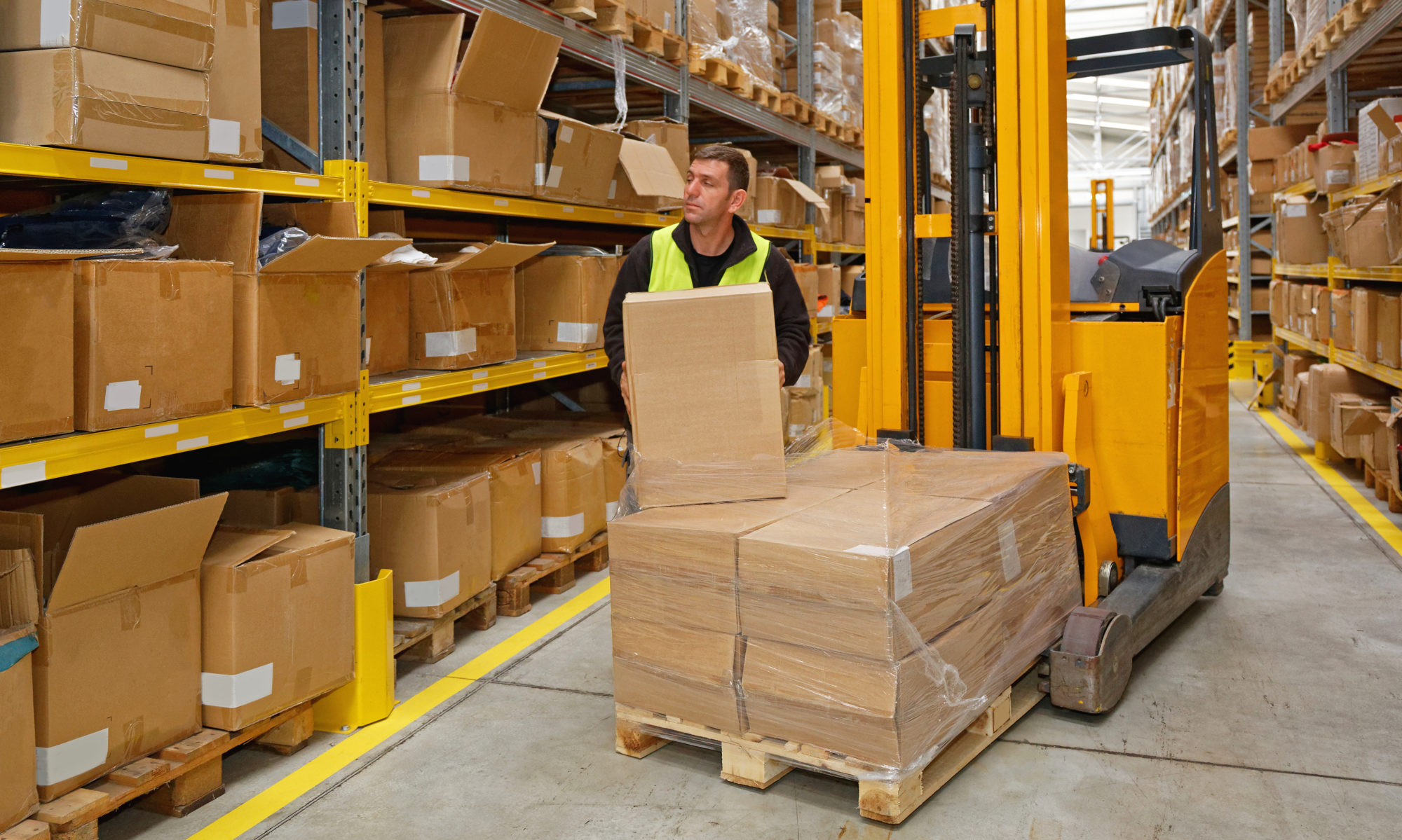

3PL? Everything You Need to Know About 3rd Party Logistics

3PL Logistics and Ecommerce Order Fulfillment

If you’re running an ecommerce business, it’s likely you’ve weighed the challenges of order fulfillment, inventory management, and shipping logistics. That’s where third-party logistics (3PL) comes in. At Medallion Fulfillment & Logistics, we’ve seen the dramatic impact a reliable 3PL partner can have on scaling a business, improving efficiency, and boosting customer satisfaction.

This guide breaks down what 3PL logistics is, the services it offers, and how it can reduce operational burdens for your ecommerce business.

What is 3PL/ 3PL Logistics?

Third-party logistics, or 3PL, refers to outsourcing your company’s supply chain operations to a specialized partner. Simply put, a 3PL provider becomes an extension of your business, taking over complex tasks like warehousing inventory storage, order fulfillment, shipping, and even returns processing.

For ecommerce companies, partnering with a 3PL means you can focus on growing your brand while we handle the nitty-gritty details of logistics. Whether you’re a small business owner or managing a growing online store, 3PLs are often key to maintaining smooth operations and optimizing costs.

Core Services Offered by 3PL Providers

3PLs offer a wide range of services designed to meet your business’s specific needs. Here are the essentials:

1. Inventory Management and Warehouse Storage

At our 3PL warehouse, we manage your inventory so you don’t have to. From organized storage to real-time data on stock levels, we ensure your products are tracked and ready to fulfill customer orders.

2. Order Fulfillment

A 3PL takes over the entire order fulfillment process—picking, packing, and shipping. Accurate picking ensures your customers get the correct items, while professional packing reflects your brand in every delivery.

3. Returns Processing (Reverse Logistics)

Dealing with returns is time-consuming but critical for customer satisfaction. A 3PL handles the returns process, inspecting items and efficiently restocking or redirecting them.

4. Transportation Services

Whether your business needs full truckload (FTL), less-than-truckload (LTL), or same-day shipping, 3PLs like Medallion Fulfillment & Logistics specialize in moving your products quickly, securely, and cost-effectively by partnering with shipping companies like the USPS.

Additional Services to Support Ecommerce Growth

Beyond the basics, 3PL providers often offer value-added services to further enhance your operations:

  • Global Supply Chain Management

If your business operates internationally, services like import/export assistance and customs clearance ensure smooth global operations.

  • Kitting and Assembly

Bundling multiple products together? Our kitting services make it easy to prepare subscription boxes, gift sets, and more.

  • Warehouse Management Software (WMS)

Gain access to advanced software systems that offer real-time inventory tracking and order status updates, all integrated with your online store.

How 3PLs Reduce Operational Burdens

Here’s why outsourcing to a 3PL could be a game-changer for your business.

  • Scalability and Flexibility

Whether it’s holiday season or a promotional surge, 3PLs scale operations up or down to meet demand without overextending your team.

  • Focus on Core Business Activities

By delegating logistics to experts, you gain time to focus on marketing, product development, and customer acquisition—moving the needle on your business goals.

Unlock Efficiency and Growth with a Trusted 3PL Partner

3PL logistics isn’t just about simplifying operations; it’s about creating opportunities for growth. At Medallion Fulfillment & Logistics, we work hand-in-hand with ecommerce businesses to tailor solutions that meet their unique challenges and goals. Still on the fence? See what our customers have to say!

If you’re ready to reduce operational stress and elevate your business to new heights, contact us today and learn why businesses trust our flexible and cost-effective fulfillment services.

What Is a Fulfillment Service? A Guide for Growing Stores

Medallion Warehouse Station for packing and shipping products

Running an eCommerce store often feels like juggling flaming swords. You have to handle marketing, website maintenance, product development, and customer service. Then, just when you think you have a handle on things, an order comes in. That should be a moment of celebration. Instead, it triggers a panic about cardboard boxes, packing tape, and rushing to the post office before it closes.

If this scenario sounds familiar, you are likely handling fulfillment yourself. While self-fulfillment works for hobbyists, it quickly becomes a bottleneck for growing businesses. This is where a fulfillment service steps in.

This guide will break down exactly what a fulfillment service is, how the process works behind the scenes, and why partnering with one is often the turning point for successful online brands.

Defining the Fulfillment Service

At its simplest level, a fulfillment service is a third-party company that stores your products, packs your orders, and ships them to your customers on your behalf. In the logistics industry, this is often referred to as Third-Party Logistics, or 3PL.

Think of a fulfillment center as your business’s backend warehouse and shipping department combined. instead of your garage or a rented storage unit, your inventory lives in a professional facility designed specifically for efficiency. When a customer buys something from your website, the order data flows directly to this facility. A team of professionals then picks the item off the shelf, packs it securely, and hands it off to a shipping carrier like UPS, FedEx, or USPS.

You sell the product; they do the heavy lifting to get it to the customer’s doorstep.

How the Fulfillment Process Actually Works

The concept sounds simple, but the machinery behind it is quite sophisticated. To understand the value, it helps to see the lifecycle of an order through the eyes of a fulfillment provider like Medallion Fulfillment & Logistics.

1. Receiving and Inventory Storage

Before any orders can be shipped, your products must arrive at the fulfillment center. This stage is called “receiving.” You send your inventory—whether it’s a few pallets or several truckloads—to the fulfillment warehouse.

The receiving team checks the shipment to ensure everything arrived safely and matches the packing list. Once verified, your items are scanned into an inventory management system and placed in designated storage locations. This might be on pallet racks for large items or in bins for smaller goods. You can usually view these inventory levels in real-time through a digital dashboard, so you always know what is in stock without having to count it yourself.

2. Order Processing

This is where the magic happens. When a customer places an order on your Shopify, WooCommerce, or Amazon store, that information is automatically transmitted to the fulfillment center’s warehouse management system (WMS).

This integration is crucial. It means you don’t have to email spreadsheets or manually enter addresses. The system verifies the address, checks stock levels, and generates a “pick list” for the warehouse staff.

3. Picking and Packing

A warehouse associate receives the pick list and locates your items within the facility. Professional fulfillment centers use optimized routes to ensure pickers aren’t wasting time walking back and forth unnecessarily.

Once the items are picked, they move to a packing station. Here, experts choose the right size box or mailer to minimize waste and reduce shipping costs. They add necessary dunnage (bubble wrap, air pillows, or kraft paper) to protect the product. If you have custom packaging requirements—like branded tissue paper or marketing inserts—this is where they are added to create a memorable unboxing experience.

4. Shipping

The packed box is sealed, weighed, and labeled. Because fulfillment services ship thousands of packages a day, they negotiate bulk shipping rates with major carriers. These savings are often passed on to you, meaning it’s frequently cheaper for a 3PL to ship your package than for you to do it yourself.

Carriers pick up the shipments daily. Tracking numbers are automatically sent back to your online store, which then emails the customer to let them know their package is on the way.

5. Returns Management (Reverse Logistics)

eCommerce returns are inevitable. A good fulfillment service handles this headache for you. Customers ship items back to the warehouse, where the team inspects them for damage. If the item is in sellable condition, it goes back into inventory. If not, it is disposed of according to your rules.

Why eCommerce Owners Need a Fulfillment Partner

You might be thinking, “I can pack boxes myself. Why should I pay someone else to do it?” That is a valid question for a brand new store. However, as you scale, the opportunity cost of packing your own boxes becomes massive.

Reclaiming Your Time

Every hour you spend taping boxes is an hour you are not spending on growth. You cannot build a marketing strategy, design new products, or negotiate with suppliers if you are buried in packing peanuts. Outsourcing fulfillment buys back your most valuable asset: time. It allows you to focus on working on your business rather than in your business.

Lowering Shipping Costs and Transit Times

Customers today expect Amazon-level speed and free shipping. Competing with that as a small business is tough.

Fulfillment centers often have strategic locations that allow them to reach the majority of customers within 1-2 days. Furthermore, their negotiated carrier rates can significantly lower your shipping spend. A solo merchant paying retail rates at the post office is at a severe disadvantage compared to a merchant using a 3PL’s bulk discounts.

Scaling Without Growing Pains

What happens if your product goes viral on TikTok tomorrow? If you get 500 orders overnight, can you physically pack them all in your living room?

Handling a sudden spike in sales is the downfall of many small businesses. They get the orders but fail to deliver them on time, leading to bad reviews and chargebacks. A fulfillment service is built for scalability. They have the staff and infrastructure to handle spikes in volume seamlessly. Whether you sell 10 products a day or 10,000, the process remains the same for you.

Professional Inventory Management

Losing track of stock leads to two expensive problems: overselling (selling items you don’t have) and dead stock (ordering items you don’t need). Fulfillment services provide sophisticated technology that tracks every SKU. You get data-driven insights on which products are moving fast and which are gathering dust, helping you make smarter purchasing decisions.

When Is the Right Time to Outsource?

There is no single rule, but there are clear signs that it is time to make the switch.

If your house is overflowing with boxes, your family is tired of helping you pack orders on weekends, or you find yourself dreading the “cha-ching” notification of a new sale because it means more work, it is time to look for a partner.

Additionally, if you want to expand internationally or offer 2-day shipping to compete with big box stores, you likely need the infrastructure of a professional logistics provider.

The Medallion Fulfillment & Logistics Difference

Choosing a fulfillment partner is like choosing a business partner. You need reliability, transparency, and communication.

At Medallion Fulfillment & Logistics, we don’t just move boxes; we help move businesses forward. We understand that we are the last touchpoint between you and your customer. When a package arrives on time and perfectly packed, your customer credits you, not us—and that is exactly how it should be.

We offer flexible solutions tailored to your specific needs, whether you are a startup looking to stabilize your operations or an established brand seeking better rates and service. Our technology integrates seamlessly with your store, giving you total visibility without the manual labor.

Ready to Stop Packing and Start Growing?

Don’t let logistics limit your potential. If you are ready to streamline your shipping, reduce your overhead, and delight your customers with faster delivery, it is time to talk to Medallion Fulfillment & Logistics.

Contact us today for a free consultation and quote. Let us handle the logistics so you can get back to building your empire.

Ecommerce Fulfillment FAQs for Small Business Owners

Ecommerce Fulfillment

Ecommerce fulfillment can feel like a puzzle for small business owners. From managing inventories to ensuring timely deliveries, there are layers of logistics involved in keeping your customers happy. But tackling fulfillment doesn’t need to be overwhelming.

This guide answers the most frequent questions about ecommerce fulfillment, explains its key components, and offers expert advice on overcoming common challenges. By the end, you’ll have the clarity and confidence to optimize your fulfillment strategy and grow your business.


What is Ecommerce Fulfillment?

Ecommerce fulfillment refers to the entire process of getting orders into the hands of your customers. It starts after the purchase is made on your ecommerce platform and includes everything from inventory storage and order processing to shipping and returns. Put simply, it’s the backbone of your ecommerce business.

For small business owners, strong fulfillment practices can mean the difference between repeat customers and abandoned shopping carts.

Key Components of Ecommerce Fulfillment

Here’s a breakdown of the main components you’ll need to manage or outsource effectively:

1. Inventory Management

Keep track of stock levels to ensure that customers only order what’s available. Inventory accuracy prevents frustration for both you and your buyers.

2. Order Management

Once an order comes through, fulfillment services coordinate the picking, packing, and processing efficiently.

3. Product Storage (Warehousing)

Do you have enough space to store your products? If not, partnering with a fulfillment center can save you time and space.

4. Shipping and Delivery

Fast and reliable delivery is crucial. Many customers expect their orders to arrive within days.

5. Handling Returns (Reverse Logistics)

A smooth return process builds customer trust and loyalty.

Common Challenges in Ecommerce Fulfillment

Small businesses often face similar hurdles, including:

  • Limited Resources: Running low on time, manpower, or storage space can strain your fulfillment process.
  • Scaling Logistics: Growing order volumes often require systems that can scale quickly.
  • High Shipping Costs: Negotiating affordable rates with carriers can be especially challenging for smaller operations.
  • Accuracy Issues: Errors in order picking or packing can lead to dissatisfied customers.

Solutions & Best Practices for Overcoming Fulfillment Challenges

Optimize fulfillment by adopting these strategies:

  1. Outsource Fulfillment Services

Third-party logistics (3PL) providers can handle warehousing, packing, and shipping for you, freeing up time and resources.

  1. Use Inventory Management Tools

Platforms like Shopify and TradeGecko keep your stock levels accurate and provide valuable data insights.

  1. Streamline Shipping Costs

Partner with fulfillment services that have relationships with carriers to access discounted rates.

  1. Prioritize Training and Quality Control

Investing time into proper training ensures your team processes orders accurately.

  1. Offer Flexible Returns

A transparent and hassle-free return policy builds trust with your customers, encouraging repeat business.

The Future of Ecommerce Fulfillment

Emerging trends and technologies are revolutionizing the industry, offering even more tools to small businesses. AI-driven inventory platforms predict demand, while automated warehouses reduce the reliance on human labor. Sustainability is also growing in importance, with eco-friendly packaging and carbon-neutral shipping options becoming available.

Staying ahead of these developments will set your small business apart, keeping operations efficient and customers satisfied.

Empower Your Business Through Fulfillment

Ecommerce fulfillment doesn’t have to be a headache. By understanding its key components, addressing common challenges, and following best practices, you can create a streamlined process that saves time, reduces costs, and keeps customers coming back.

Want expert help? Partnering with the right fulfillment service can give your small business access to professional logistics support without breaking the bank. Contact us today and discover how optimized fulfillment can become your key to growth with Medallion Fulfillment.

The Growth of Third-Party Logistics (3PL) Providers Post 2024

3PL Providers Concept Illustration

The e-commerce fulfillment landscape is evolving at an unprecedented pace, and third-party logistics (3PL) providers are at the forefront of this transformation in 2025. With the rise in online shopping and the complexities of global supply chains, businesses are increasingly partnering with 3PLs to streamline operations and meet heightened consumer expectations. Here’s why 3PLs are booming and how they are driving value in the fulfillment industry.

Why 3PL Providers Are on the Rise

Several factors are fueling the rapid growth of 3PL providers:

  • Advanced Technology Integration: Operating a modern fulfillment center requires cutting-edge tools like AI, robotics, and blockchain. Many businesses lack the infrastructure or resources to implement these technologies in-house, turning to 3PLs who specialize in them.
  • Flexibility and Scalability: Whether it’s managing seasonal demand spikes or expanding into new markets, 3PLs offer the ability to scale operations up or down as needed. This agility is critical in today’s volatile market conditions.
  • Expertise and Networking: 3PLs bring logistical know-how and established supply chain networks, enabling quicker shipping, cost optimization, and seamless cross-border operations.
    The result? More businesses can focus on their core competencies like product development and customer engagement while leaving logistical complexities to the experts.

Key Benefits of Partnering with 3PL Providers

1. Cost Efficiency

Managing an in-house fulfillment operation can be expensive due to investments in technology, workforce, and infrastructure. 3PLs spread these costs across their clients, allowing individual businesses to save significantly. Robots, for instance, are revolutionizing warehouse operations, with robotic picking systems handling up to 1,000 picks per hour—reducing human labor costs while increasing speed and accuracy.

2. Improved Flexibility

Fluctuating demand is a constant challenge in e-commerce. During peak seasons like holidays, 3PLs can handle the surge without businesses needing to hire temporary labor or expand facilities. These providers are also instrumental for brands exploring global markets, offering localized fulfillment hubs to ensure faster delivery times.

3. Enhanced Customer Experience

Speed and precision are non-negotiable in e-commerce today. By leveraging technologies AI-driven inventory forecasting, 3PLs ensure faster deliveries and fewer stockouts. Blockchain, another powerful tool, offers customers real-time visibility into their orders, building trust and transparency.

Technologies Powering 3PL Success

AI and Machine Learning

AI is at the heart of modern logistics. Predictive analytics enable 3PLs to anticipate demand surges, optimize route planning, and automate inventory replenishment. For instance, Amazon’s AI tools monitor buying trends to ensure warehouses are stocked with in-demand items.

Robotics and Automation

From robotic picking systems to automated sorting lines, robots are taking over tedious and time-sensitive tasks in warehouses. This ensures continuous operations, especially during labor shortages, and drastically improves order accuracy and shipment speed.

Blockchain

Tracking the movement of goods in real time is a game-changer for supply chain transparency. Blockchain technology records every step in the shipping process, ensuring accurate and tamper-proof tracking data—critical for both businesses and their customers.

Strategic Advantages of Working with 3PLs

For businesses to thrive in an increasingly competitive market, partnering with the right 3PL can yield significant advantages. Here’s how:

  1. Optimize Supply Chain Management: Specialized providers can handle everything from warehousing to last-mile delivery more efficiently, removing bottlenecks and reducing overall lead times.
  2. Expand Global Reach: With established networks in different regions, 3PLs make scaling internationally more straightforward and less risky.
  3. Future-Proof Your Operations: By leveraging the latest technologies through a 3PL, your business can adapt to industry innovations without large upfront investments.

Final Thoughts

The growth of third-party logistics providers in 2025 reflects a broader shift toward streamlined, technology-driven fulfillment strategies. For businesses, 3PLs offer an unmatched opportunity to reduce costs, boost scalability, and enhance customer satisfaction—all while staying ahead of technological trends. Strategic partnerships with 3PL providers ensure your operations remain not only efficient but also resilient in a rapidly changing market.

To stay competitive, now is the time to evaluate your fulfillment strategy and explore how 3PL providers can elevate your business. The future of fulfillment is here—ensure your business is ready for it and contact Medallion Fulfillment today. We are focused on the future while being invested in our employees and our small business partners.

8 Fresh Ecommerce Marketing Ideas for Spring 2025

Fresh Marketing Ideas from a Fulfillment Company

Spring is synonymous with renewal and growth, making it the perfect season to refresh your ecommerce marketing strategies with some new marketing ideas. For businesses, spring brings new opportunities to connect with customers as they transition from winter hibernation to enjoying the blossoms of a new season.

This blog will walk you through eight vibrant and actionable ecommerce marketing ideas for Spring 2025. From seasonal social media campaigns to spring-inspired product lines, these strategies will help your business stand out and boost sales during this lush and lively time of year. Along the way, we’ll also explore how working with a fulfillment company like Medallion Fulfillment can enhance your operations.

Whether you’re a seasoned ecommerce professional or just starting, these tips will give you a jumpstart on crafting the right seasonal marketing message.

Why Seasonal Marketing Matters

Seasonal marketing allows businesses to align their brands with their customers’ lifestyles and create compelling narratives around timely themes. During spring, consumers look for fresh experiences, lighter aesthetics, and products that align with seasonal activities like outdoor gatherings, gardening, and spring cleaning.

By syncing your ecommerce strategies with the spirit of spring, you not only drive more traffic but also increase customer engagement, loyalty, and sales. A well-executed spring campaign can be the catalyst for phenomenal growth in the first half of the year.

8 Fresh Ecommerce Marketing Ideas for Spring 2025

1. Utilize Spring-Themed Social Media Campaigns

Social media is a fantastic platform for sharing seasonal content that resonates with your audience. Create posts featuring pastel-colored imagery, floral graphics, or spring-themed memes to spark engagement. For example, consider running a “Spring Refresh Giveaway” to increase brand visibility while building excitement among your followers.

You could also use Instagram Stories or Reels to showcase your products in real-life spring scenarios, such as enjoying a sunny picnic or a garden setting. For added reach, integrate relevant seasonal hashtags like #SpringVibes2025 or #FreshSpringDeals.

2. Launch Exclusive Spring Product Lines

Refresh your product offering with an exclusive spring line. Whether it’s floral-themed clothing, eco-friendly products, or limited-edition pastel-colored packaging, creating something unique for the season gives shoppers a reason to check out your store.

Highlight how these items are perfect for spring. For instance, reusable water bottles in cheerful spring designs might resonate with those planning outdoor activities. Additionally, promote pre-orders in early March to build anticipation.

3. Implement Seasonal SEO Strategies

SEO is a powerful tool, especially when optimized for seasonal searches. Use keywords like “Spring Deals 2025” and “fresh spring styles” in your blog content, product pages, and meta descriptions.

Write spring-themed blog posts such as “2025 Must-Have Eco-Friendly Products for Spring” to attract organic traffic. Align these efforts with your ecommerce fulfillment strategies to seamlessly convert traffic into sales.

By leveraging these seasonal SEO strategies, you’ll ensure your store ranks well when shoppers look for spring-related products.

4. Host Spring Sales and Promotions

Spring sales are a surefire way to boost revenue. Create time-limited promotions such as “Spring Cleaning Sale” or “Blossom into Savings,” offering discounts on seasonal items or bundling products popular in the spring months.

Consider launching flash sales during peak shopping hours or offering exclusive discounts to email subscribers. Use urgency-driven copy like “Hurry! Sale Ends March 31st” to inspire immediate action.

Reliable fulfillment services, like those from Medallion Fulfillment, can ensure that your sudden surge in orders is managed efficiently during these busy sales campaigns.

5. Incorporate User-Generated Content for Spring

Ask customers to share photos using your products in spring scenarios. Encourage submissions through contests like “Show us how you spring it up with [Brand Name] for a chance to win a $100 gift card!”

User-generated content feels authentic, relatable, and helps build social proof for your brand. Feature this content in your social feeds or dedicated blog posts to showcase happy customers enjoying your offerings.

6. Email Marketing with a Spring Twist

Email marketing continues to deliver outstanding ROI. This spring, give your campaigns a seasonal makeover by using cheerful spring visuals, puns (“Hop Into Spring Savings”), and personalized recommendations.

For instance, segment your email list to send curated product suggestions for outdoor enthusiasts, travelers, or home decorators prepping for the season. Include clear calls to action like “Shop Now” or “Refresh Your Closet Today” to drive clicks.

7. Enhance Customer Experience with Personalization

Spring is a perfect time to show customers how much you value them. Use personalized product recommendations or spring greetings for returning customers. Advanced analytics tools can help you tailor your messaging and offerings to their browsing history or past purchases.

For example, “Hi Alice, this floral dress would be perfect for your next outdoor brunch!” feels far more engaging than generic promotional texts. Personalized experiences foster stronger customer loyalty while boosting conversion rates.

8. Partner with Influencers for Spring Campaigns

Influencer marketing remains highly effective, particularly for ecommerce brands. Partner with influencers who align with your target audience and have them showcase your products in spring settings.

Collaborate with an influencer to create a video of your picnic basket sets being used for a “perfect spring day out.” Micro-influencers, in particular, offer cost-effective ways to reach niche, engaged audiences.

Measure and Adjust for Success

To ensure your spring campaigns deliver results, establish clear KPIs before launch—these might include website traffic, sales conversion rates, or email click-throughs. Use tools like Google Analytics and heatmaps to track performance and identify underperforming areas.

If you notice certain campaigns underperforming, adjust your messaging, visuals, or timing to see better results. By staying agile in your approach, you’ll capture more opportunities to grow your business this spring.

Fresh Ideas, Fresh Opportunities

Spring 2025 is just around the corner, and it’s the perfect opportunity for ecommerce businesses to shine. By incorporating these eight strategies, you’ll resonate with your customers, drive more traffic, and most importantly, convert one-time shoppers into loyal fans. Don’t forget to align your ecommerce fulfillment with your growing seasonal orders—partnering with experts like Medallion Fulfillment can make all the difference.

What’s your favorite spring marketing idea? Share your thoughts in the comments below! And if you’d like more personalized fulfillment solutions for your business, get in touch with Medallion Fulfillment today.