
Selecting Your Fulfillment Center

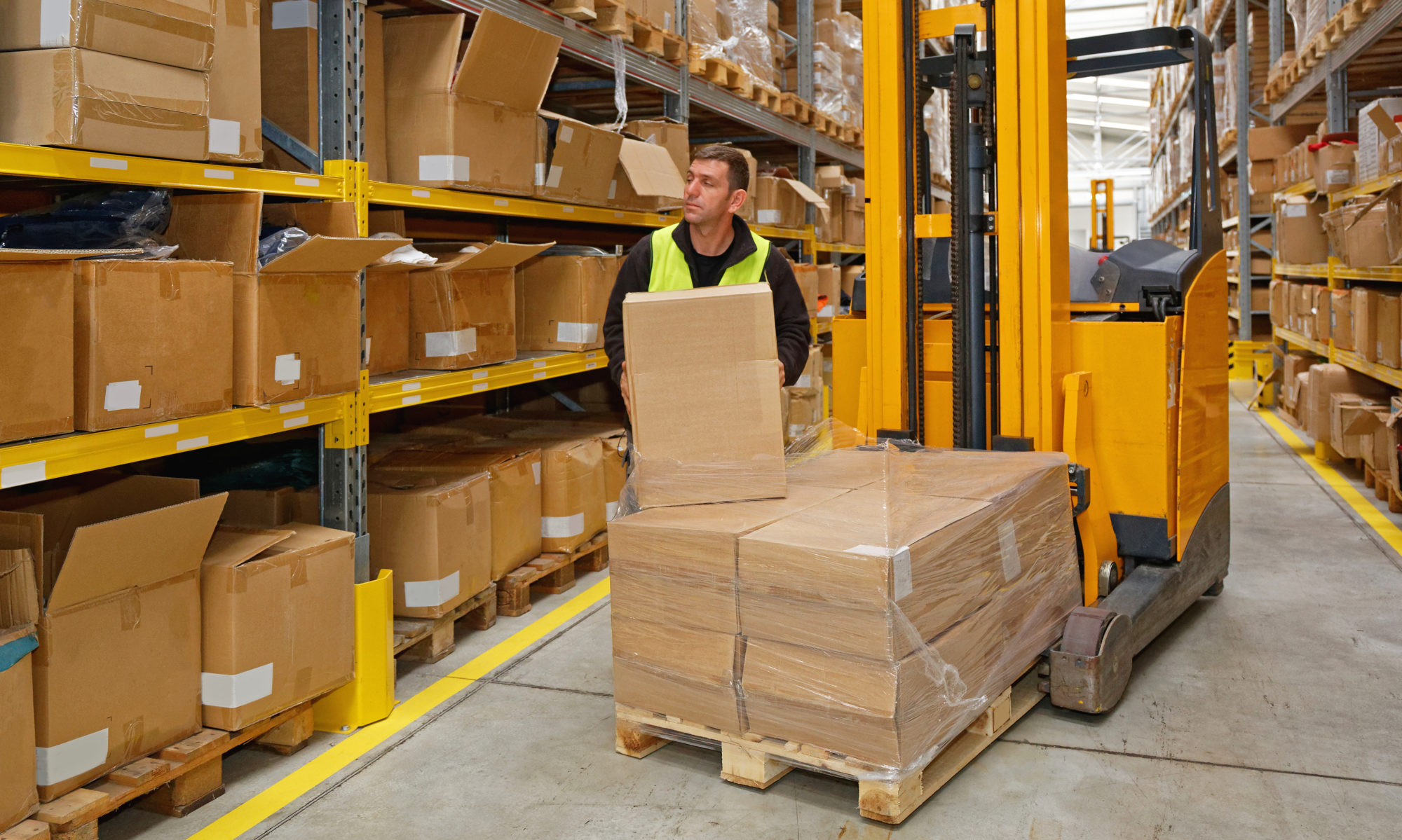
Fulfillment Center Worker Packing Orders

Running an e-commerce shop comes with its fair share of challenges. From finding the right products to managing an influx of customer orders, there’s always something demanding your attention. One of the most critical decisions you’ll make as your business grows is choosing the right fulfillment center to partner with. With years of experience managing fulfillment operations, I can tell you firsthand that the right choice can significantly affect your efficiency, reputation, and bottom line.

Here’s what you need to consider when selecting a fulfillment center for your small e-commerce business.

1. Location Matters

Proximity to your customer base is crucial. A well-placed fulfillment center ensures faster delivery times and reduced shipping costs. For example, if most of your customers are located on the West Coast, choosing a center near that region will shorten transit times and save you money on shipping. Here at Medallion, we even offer multiple fulfillment center locations on the East and West Coast for maximum coverage.

2. Services Beyond Shipping

A good fulfillment center isn’t just a warehouse. Look for one that offers a range of services, such as:

These services help streamline your operations and provide a professional touch to your customer experience.

3. Scalability for Future Growth

Your needs today might not be the same six months or a year from now. Partner with a fulfillment center that can scale alongside your growth. Whether you need to add new products, handle seasonal spikes, or manage international shipping down the line, the right center will have the capacity and flexibility to grow with your business.

4. Strong Communication & Support

Clear and reliable communication is essential in this partnership. Does the fulfillment center provide a dedicated account manager? How responsive is their customer service team? A center that prioritizes smooth communication will ensure any questions or concerns are handled quickly, so you can focus on running your business.

5. Multiple Shipping Options

With shipping expectations at an all-time high, offering flexible options is a must. Make sure your fulfillment partner can support various shipping methods, including standard, expedited, and international. Ask about their relationships with carriers, as discounts and efficient routing can result in significant cost savings for you.

6. Reputation & Client Testimonials

Lastly, do your research. Look for reviews, testimonials, or case studies from other businesses that partner with the fulfillment center. A strong reputation for reliability and accuracy will give you confidence that your orders are in good hands.

Final Thoughts

Choosing a fulfillment center isn’t just about logistics; it’s about enhancing your customer experience and supporting the growth of your business. Take the time to assess your current needs, think about your future goals, and seek a partner that aligns with your vision.

Remember, a strong fulfillment partner allows you to focus on what you do best while keeping your customers happy. Make the smart choice, and your e-commerce business will be set up for long-term success.

Contact your trusted local fulfillment center Medallion Fulfillment.

3PL vs. Fulfillment Warehouse: Which is Right for Your eCommerce Business?

Ecommerce Business Owner Deciding Between a 3PL or Fulfillment Warehouse

If you’re running an eCommerce business, you’re probably already familiar with the challenges of managing inventory, packing orders, and shipping them to your customers on time. When it comes to outsourcing logistics, two terms often come up in discussions: 3PL (third-party logistics providers) and fulfillment warehouses. While these services share some similarities, their differences can have a big impact on how you grow and scale your business.

At Medallion Fulfillment & Logistics, we’ve helped countless eCommerce businesses streamline their order processing and shipping. Here’s how 3PLs compare to fulfillment warehouses, so you can determine which option best suits your needs.

Key Differences Between 3PL and Fulfillment Warehouse

1. Control

Fulfillment warehouses give you much greater control over your inventory and processes. You can define what packaging is used, how orders are packed, and establish workflows that match your exact preferences. If you prefer a hands-on approach to logistics, a fulfillment warehouse is likely the better fit.

3PLs, on the other hand, take a more standardized approach. They handle logistics at scale, which often means less flexibility for customization, as their systems are designed to streamline operations for larger, varied client bases.

2. Scalability

If your eCommerce business is experiencing rapid growth or you’re planning to scale aggressively, a 3PL can be a powerful partner. 3PLs specialize in scalability, with the infrastructure and expertise to handle surges in order volume across multiple locations.

Fulfillment warehouses, while highly reliable, are typically better suited for businesses that want steady, manageable growth.

3. Technology

3PL services often come equipped with advanced technology and software integrations. From AI-driven forecasting tools to seamless integrations with your eCommerce platform, 3PLs excel in leveraging tech to keep your operations efficient. These additional tools can save time but often come with higher service costs.

Fulfillment warehouses, while tech-enabled, may offer fewer tech integrations in favor of simplicity and cost efficiency. If you don’t require complex technological solutions, this may be the more economical choice.

4. Cost

Fulfillment warehouses often have lower startup costs, making them ideal for small to mid-sized eCommerce businesses operating on tight budgets. You only pay for the storage space and services you actually need, keeping your initial investment minimal.

3PLs can be more expensive upfront due to their broader range of services and tech offerings. However, the added expense may pay off in the long term if you’re managing a high-volume or fast-growing business.

5. Expertise

3PL firms are logistics specialists. They handle everything from warehousing to freight negotiations, allowing you to tap into their deep industry expertise. For complex supply chains or international shipping, a 3PL can simplify challenging logistics.

Fulfillment warehouses, however, focus on the fundamentals of order fulfillment. If your needs are straightforward, like storing inventory and shipping orders, they offer a simple, stress-free solution without unnecessary extras.

Which Option is Right for Your Business?

Choosing between a 3PL and a fulfillment warehouse ultimately comes down to your business goals and needs. If you need scalability, advanced tech, and logistics expertise, a 3PL is a fantastic solution for supporting long-term growth. But if you want more hands-on control, cost-effective services, and a focus on the fundamentals, a fulfillment warehouse could be the better fit.

At Medallion Fulfillment & Logistics, we know that every eCommerce business is unique. Our fulfillment services offer the perfect balance of flexibility, control, and cost-efficiency to help you grow your brand. Contact us today to learn more about how we can support your eCommerce success!

Why Ecommerce Businesses Should Outsource Logistics to a 3PL

3PL Services Illustration

Running an eCommerce business is as demanding as it is rewarding. While making sales and growing your brand is exciting, the logistics of getting products to customers can quickly become overwhelming. That’s where outsourcing your logistics to a Third-Party Logistics provider (3PL) can be a game-changer. At Medallion Fulfillment, we specialize in helping businesses like yours thrive by streamlining fulfillment processes and managing logistics like pros.

Here’s why partnering with a 3PL is one of the smartest moves for your eCommerce business:

Why Outsource Your Logistics to a 3PL?

1. Cost Savings

Handling logistics in-house can be expensive. Renting warehouse space, hiring staff, and managing shipping systems can stretch your resources. A 3PL already has the infrastructure in place. By outsourcing, you can leverage their resources and save significantly on operational costs.

2. Focus on What You Do Best

You didn’t start your business to get bogged down in shipping labels and tracking numbers. A 3PL allows you to hand over the complexities of logistics so you can focus on your core operations, like expanding your product line or enhancing customer experience.

3. Improved Efficiency

3PL providers are logistics specialists. They use advanced technology, streamlined processes, and expertise to ensure your products are delivered quickly and efficiently. This translates into happier customers and strong reviews for your store.

4. Scalability for Growth

Whether it’s the holiday rush or a sudden spike in orders, scaling logistics to meet demand can be tough. A 3PL can seamlessly adjust operations to match your needs, so you’re always prepared, no matter how fast your business grows.

5. Access to Expertise

When you partner with a 3PL, you gain access to a team of professionals who know the ins and outs of supply chain management. From reducing shipping costs to navigating complex logistics networks, they bring the insights you need to stay competitive in the eCommerce space.

6. Tap into a Wider Network

Most 3PLs have established relationships with carriers and warehouses across regions, giving your business access to faster and more cost-effective delivery options. At Medallion, we help optimize your supply chain, ensuring your products reach customers without delays.

Is a 3PL Right for Your Business?

Partnering with a 3PL is perfect for businesses ready to simplify logistics and focus on growth. Our team at Medallion Fulfillment ensures every step of the process—from warehousing to shipping—is seamless and tailored to your business needs.

Take the Next Step

If you’re ready to streamline your logistics operations and elevate your eCommerce game, we’re here to help. Contact Medallion Fulfillment today to learn how we can customize our 3PL solutions for your business goals.

Make logistics one less thing to worry about, so you can focus on growing your brand.

Self Fulfilling: Ecommerce Fulfillment Limitations and How to Grow

Ecommerce Fulfillment Center worker picking a fulfillment service order.

How Fulfilling Your Own Ecommerce Orders Can Limit Growth

Fulfilling your own ecommerce orders might seem like a cost-effective way to manage your business initially. After all, when your business is just starting out, keeping things in-house feels manageable and gives you control. However, as your business grows, this DIY approach can become a serious bottleneck, limiting your ability to scale effectively.

At Medallion Fulfillment, we’ve worked alongside countless ecommerce business owners who have faced this challenge. Here are the key reasons why taking order fulfillment into your own hands can slow your business’s growth.

1. It’s Time-Consuming

Every second you spend packing boxes, managing inventory, and coordinating shipping is time taken away from activities that actually grow your business. Tasks like marketing, crafting new product lines, and building customer relationships are vital to your long-term success. Order fulfillment eats into this crucial time, leaving little room to focus on scaling your business.

2. It’s Not Scalable

What works when you have ten orders a week can quickly become overwhelming when your business starts receiving hundreds of orders daily. Suddenly, your home warehouse or rented storage unit no longer has the capacity, and your shipping process becomes tangled with delays and inefficiency. Scaling a business requires adaptable systems, and in-house fulfillment is rarely equipped to handle the needs of a booming ecommerce operation.

3. It’s Costly in the Long Run

DIY fulfillment might save money when your order volume is low, but as your business grows, costs can balloon. Renting storage space, hiring staff, and buying packing supplies can add up quickly. Factor in higher shipping fees from lack of carrier partnerships, and the actual cost of in-house fulfillment might be higher than you realize.

Additionally, mistakes like shipping the wrong items or delayed deliveries not only cost money but chip away at customer trust, which is far more expensive to rebuild.

4. It Stretches Resources Thin

Ecommerce businesses often thrive on innovation, creativity, and customer engagement. Handling fulfillment drains your resources, leaving little room to invest in areas essential to growth. Whether it’s building a stronger marketing strategy or expanding into new product categories, your focus shifts away from these priorities when you’re knee-deep in tape and shipping labels.

The Solution? Partner with a Fulfillment Center

Ecommerce fulfillment centers like Medallion Fulfillment specialize in streamlining order fulfillment, inventory management, and shipping. By outsourcing fulfillment to an experienced partner, you’ll gain back your time, minimize costs, and unlock the ability to scale––without worrying about the logistics.

Here’s what we offer to help your ecommerce business thrive:

  • Expert Inventory Management: Know exactly how much stock you have at all times.
  • Faster Shipping: We’ve built carrier relationships that keep shipping costs low and delivery times fast.
  • Tasting Notes of Customer Satisfaction (Exclusive Deals): From next-day delivery services to personalized packaging, our services drive repeat orders.

Growing a business is challenging enough without being weighed down by fulfillment tasks. At Medallion Fulfillment, we’re here to remove that burden and help you focus on what you do best––growing your brand.

Contact Medallion Fulfillment today to discover how we can help your ecommerce business scale with ease.

Tariffs and Their Impact on Your Ecommerce Business

2025 Tariffs and 3PL Strategies

Understanding tariffs and devising strategies to mitigate their impact is critical for eCommerce business owners. At Medallion Fulfillment, we recognize the challenges tariffs present and are here to guide your business through these complexities. Here’s what you need to know and how to act.

What Are Tariffs?

A tariff is a tax imposed on imported goods, set by governments to regulate trade or protect domestic industries. These taxes often increase the cost of imported items, which can affect pricing, profitability, and supply chains.

Tariffs are typically categorized as:

  • Ad Valorem Tariffs: Based on a percentage of the item’s value.
  • Flat-Rate Tariffs: A set fee applied per unit, regardless of value.
  • Compound Tariffs: A mix of both percentage-based and flat-rate fees.

How Tariffs Affect Small Ecommerce Businesses

Tariffs lead to increased costs, often resulting in tighter profit margins, higher product prices, or disruption in supply chains. For eCommerce stores, these additional costs can make imported products less competitive, potentially impacting customer demand.

Key challenges include:

  • Increased operational costs.
  • Lengthier customs clearance processes.
  • Compliance with shifting trade regulations.

Strategies to Combat Tariffs

While tariffs can’t be avoided, there are actionable steps you can take to reduce their impact on your business:

1. Audit Your Supply Chain

Identify which products in your inventory are subject to tariffs. Look at your suppliers and evaluate whether alternatives from tariff-exempt countries can be sourced without compromising quality.

2. Adjust Pricing Strategically

Communicate transparently with customers about price changes due to tariffs. Gradual price increases or bundling affected products with other offerings can help soften the impact.

3. Negotiate with Suppliers

Many suppliers are open to sharing tariff costs or offering discounts to maintain partnerships. Proactively initiate conversations to explore solutions.

4. Diversify Your Product Offerings

Consider introducing products that are less affected by tariffs, such as domestically sourced items, to maintain profitability.

5. Automate Compliance

Invest in software or services to ensure proper documentation and tariff classifications. This can prevent costly delays and reduce manual work.

Partnering with a 3PL Can Help

A trusted 3PL (third-party logistics) provider like Medallion Fulfillment can be a game-changer for navigating tariffs. Here’s how we help:

  • Customs Expertise: We stay updated on tariff regulations to keep your shipments compliant and on schedule.
  • Cost-Effective Shipping: Our relationships with carriers help reduce fulfillment costs.
  • Delivered Duty Paid (DDP) Options: We handle duties and taxes upfront, ensuring no surprise costs for your customers.

By collaborating with a 3PL, you gain the tools and expertise necessary to minimize disruptions and focus on scaling your business.

Stay Ahead of the Curve

Tariffs are part of the global trade landscape, but proactive planning and expert support can help you thrive despite them. Reach out to Medallion Fulfillment today to learn how our tailored solutions can secure your eCommerce operations and boost your bottom line.

Contact us to get started!