FedEx Announces New Surcharges Effective Today

Learn About the Amazon Effect

Today is the day that the new temporary surcharge amounts for FedEx Express International parcel and freight shipments from China increase.

FedEx announced an earlier temporary surcharge on international parcel and freight shipments on April 6th. This new updated surcharge impacts shipments from China.

FedEx explained the surcharge was due to new coronavirus restrictions which are disrupting the global supply chain. Additional costs incurred by FedEx due to limited air cargo space is driving up costs.

We will keep you advised of any additional shipping cost impacts as we know them.

Building an E-newsletter List? Make Sure You Are CAN-SPAM Compliant

What Should You Ask Your Accountant?

Have you ever felt burned by getting a piece of mail from your bank, cable company or insurer whose envelope blared “Important Account Information Enclosed”? You know the outcome: You opened the envelope, that “important information” turned out to be an ad.

Translate that print tactic into untold millions of e-newsletters in distribution, and you will understand why the CAN-SPAM business compliance guide was created.

Email a Powerful Attraction Tactic

Even in an age of Facebook “likes” and Twitter “tweets,” email and e-newsletters — when handled right — continue to be a robust tool for marketers.

  • According to 2011 statistics published by Exact Target, 42 percent of subscribers are more likely to purchase from a company whose emails they subscribe to.
  • The other side of that coin? Content Marketing Institute notes that the e-newsletter open rate can go as low as 8 percent, with monthly newsletters averaging in the low-20 range.

So the audience making up your e-newsletter lists needs to be one you screen carefully — those on your list should be the people most likely to find your information valuable enough to subscribe and to read at least occasionally with few opt-outs. If you use purchased e-newsletter lists, ensure they are from reputable sources consisting only of “opt in” subscribers.

Keeping Out of Trouble

Once you’ve identified an audience to invite as subscribers, you must establish an acceptable template for your message. Just a few false moves, and your carefully crafted e-newsletter could end up in the spam folder.

CAN-SPAM (Controlling the Assault of Non-Solicited Pornography and Marketing Act of 2003) establishes standards for commercial email, including e-newsletters. It spells out what you can and cannot say, and sets penalties for violations.

Under the CAN-SPAM rules, for example, you are required to:

  • Identify the nature of your message as an e-newsletter.
  • Tell recipients where you are located. Your e-newsletter must include both an email return address and a valid physical postal address.
  • Tell recipients how they can opt-out of your e-newsletter, and honor their request within 10 business days.

Conversely, the CAN-SPAM law prohibits:

  • False or misleading header information. In other words, the “To,” “From” and “Reply to” headers must accurately identify the person or company initiating the email.
  • Deceptive subject lines. No false promises, “gotcha” wording or other text that doesn’t reflect on the actual content of the e-newsletter.
  • Sending through an open relay or using harvested email address (both examples of technology that allows spammers to find and use lists).

And of course, the CAN-SPAM act requires you to truthfully describe any products or services you are offering for sale in your e-newsletter — and if you are positioning this information as an ad, you must identify it as such.

How to Attract More Subscribers

Subscribers can quickly become un-subscribers, so identifying and attracting new audiences is an important part of your e-newsletter strategy.

How can you encourage people to opt-in?

  • Promote your e-newsletter on your website’s homepage. Keep a colorful sign-up icon near the top of the screen, as you can never rely on visitors scrolling all the way down.
  • Invite new customers to subscribe. If someone makes a purchase through your website, follow it up with an email invitation to the newsletter. You can use the same tactic with visitors who leave contact information on your landing page.
  • Include a “send to a friend” link on every e-newsletter to encourage forwards from subscribers.
  • Promote your e-newsletter on your social media pages; include sneak-peeks of articles or offers that subscribers will find in the newsletter.
  • Offer a free gift to new subscribers. It can be a special deal or item associated with your business, or something general, such as a drawing for an iPad. (However, all giveaways and drawings must be “no purchase necessary” in nature and something anyone may enter.)

Test and Test Again

The way you handle your e-newsletter lists may change once you see how many people opt-in and opt-out of their subscriptions. As with most forms of web marketing, e-newsletters can benefit from testing and measuring results to create the ideal marketing tool for you.

Got a New Product to Sell? Get Some Tips on How to Create Demand

Fulfillment Warehouse


It survived the concept pitch, the drawing board, R&D, prototypes, focus groups, and testing. Now your new product is ready to launch.

Whether you opt for a “soft launch” to introduce your baby to just a few markets or demographics; or a “hard launch” that involves a company-wide strategy and major rollout, you’ll want to build brand recognition and product awareness the fastest, most cost-efficient and most ROI-oriented ways as possible.

In years past, the debut of a new product into the market meant heavy investment in paid advertising. Just 10 years ago, you may have designed your launch around print ads, brochures, radio, outdoor boards… the so-called “interruption” marketing.

Today, however, consumers are more savvy and more discriminating. They’re less likely to respond to such expensive media as TV, print, or direct mail, and more likely to head for their desktops, laptops, tablets and smartphones. In fact, a recent survey revealed that 50 percent of today’s shoppers spend 75 percent of shopping time online!

Let’s repeat that statistic: Half of the consumers spend most of their shopping time on the Internet. It’s where they get their information and, increasingly, make their purchase decisions.

If your marketing is mired in 20th century tactics, you have a great opportunity to enjoy the benefits 21st century marketing can offer in terms of brand recognition.

The New “Word of Mouth”

A 2011 survey of small-business owners revealed a surprising fact about their attitude toward online marketing.

  • A combined 65 percent of the participants thought that the web and social media had little or no value for their business, or didn’t know enough about it to form an opinion;
  • But at least 50 percent agreed that “word of mouth” is a major force in attracting customers and prospects.

Here’s the point where these two ideas (dis)connect: Today’s word of mouth comes from the web.

Social media, websites, forums… that’s where people go to share information, communicate with businesses, comment on products and make recommendations to others. They’re where you need to be.

Content Drives Consideration

Having a website for your business is one thing. Optimizing that site so that people seek it out is another. To establish or boost brand recognition, your site needs to be a destination. The good content you provide makes this happen.

What do we mean by “good content”? Let’s start by defining what good content isn’t. It isn’t an unsolicited email, a coupon or an ad. Web users are bombarded with such sales pitches every day, and will largely ignore yours. Good content isn’t a press release about your latest award, or an announcement of a new location. In other words, it’s not about you.

It’s all about your customers and prospects – what they find compelling, or what worries them. Consumers want facts and proof, not promises. So your good content can:

  • Outline a common problem consumers face and show how your product or service provides a solution.
  • Give background information into your industry that helps people understand how your product came to be.
  • Offer a guide to safety or security tied to your industry.
  • Provide statistics on the way people use the product or service you offer.

Factual, insightful or entertaining content engages consumers in a way that paid ads do not.

When introducing a new product, you’ll face an understandably wary audience. Good content establishes you as more credible.

Get Seen to Get Leads

Building brand awareness, and qualified leads, through content starts with grabbing attention through the media that matters:

  • Blogs. A series of informative articles, peppered with the search engine optimization (SEO) words and phrases a search engine recognizes most, will boost your website to the top of the Google results. Other text-based online marketing includes reports, e-newsletters and industry white papers.
  • Multimedia. Think of what you might pay for one run of a local TV commercial – plenty. Compare that to producing engaging, entertaining videos and posting them to YouTube for free. Videos, podcasts and infographics get responses from consumers. The best go viral.
  • Social Networking. Facebook, Twitter, and other social networks attract communities who share an interest in the product or service you provide. Post your content to your social media page, and you’ll be in a good position to net new “friends” or “followers” who will comment on, and share, your offerings.

Once you’ve built a community of visitors interested in what you have to say, you can use strategic landing pages to gather their contact information in exchange for more, or exclusive, content. This tactic narrows the field from casual searchers to qualified leads.

Does This Strategy Work?
Yes – countless small businesses are using the power of the Internet to build brand recognition for their new products. It could work for you, too.
Why Offering Free Shipping will Increase Your Online Orders

During the Coronavirus Pandemic Boost Sales with Free Shipping

Shipping plays a huge role in e-Commerce.  Free shipping is increasingly the number one promotional tool used to entice online shoppers during the virus pandemic. Many of the major online players including Amazon and Walmart offer free shipping. Free shipping is a major tool retailers use to attract new customers and keep existing customers.

According to comScore, a leading Internet marketing research company, during the first three weeks of the holiday season in 2010, 45 percent of transactions included free shipping, the percentage rose to 50 percent by the 21st of November, increased to 55 percent in the week ending November 28 and was still at a high rate of 51 percent in the week ending December 5. It’s important to note, transactions using free shipping for the week ending December 5, 2010 averaged $125.20, 45 percent higher than orders using paid shipping.

> Consumers Expect Free Shipping

Due to the prevalence of free shipping in online retailing, consumers expect it when shopping on the Web. A recent comScore survey showed 84 percent of consumers indicated free shipping was somewhat or very important when making purchases and may be even more important during the virus pandemic.

Jeffrey Grau, principal analyst at eMarketer, said “Free shipping makes e-commerce more appealing. A lot of people won’t buy from a website if there isn’t some sort of free shipping. It’s almost a requirement.”  He went on to say “Retailers have to decide for themselves whether the potentially higher sales can justify absorbing the shipping costs. They’re going to hope for higher volume and slightly lower margins. They’ll try to make up the cost in higher volume” (E-Commerce Times).

Free Shipping Day, held on the 17th of December, is an example of the power free shipping has on consumers. In 2009, Free Shipping Day accounted for $586 million non-travel retail spending and surged to $942 million in 2010, a 61 percent increase (comScore).

Azita Arvani, principal of the Arvani Group, said “The biggest friction points in online shopping are payment and shipping. By offering free shipping, it reduces a key friction point, which should result in more sales, provided the offer is not too restrictive to a point of being meaningless to the consumer” (E-Commerce Times).

> Don’t Ignore the Trend

The free shipping strategy includes the prospects of thinner margins or higher prices on merchandise, however online retailers who ignore the trend will likely have lower transaction volumes. By enticing consumers with free shipping, retailers may be able to avoid offering deep discounts on their merchandise.

Charles King, principal analyst at Pund-IT stated “Free shipping is always a bonus, especially when money is tight, consumers are getting creative. They want a high-dollar item that won’t have a stiff shipping fee. Getting the shipping free makes sense” (E-Commerce Times).

> Free Shipping, a Daily Promotion

Increasingly, free shipping has become a daily promotion in online retailing. According to comScore, in the third quarter of 2010, 41 percent of all online retail transactions included free shipping. Gary Reblin, Vice President, Domestic Products , U.S. Postal service, believes the growth trend in e-commerce transactions coupled with free shipping in the business-to-consumer segment continues to be the number one compelling force in the shipping industry (Source: PARCEL).

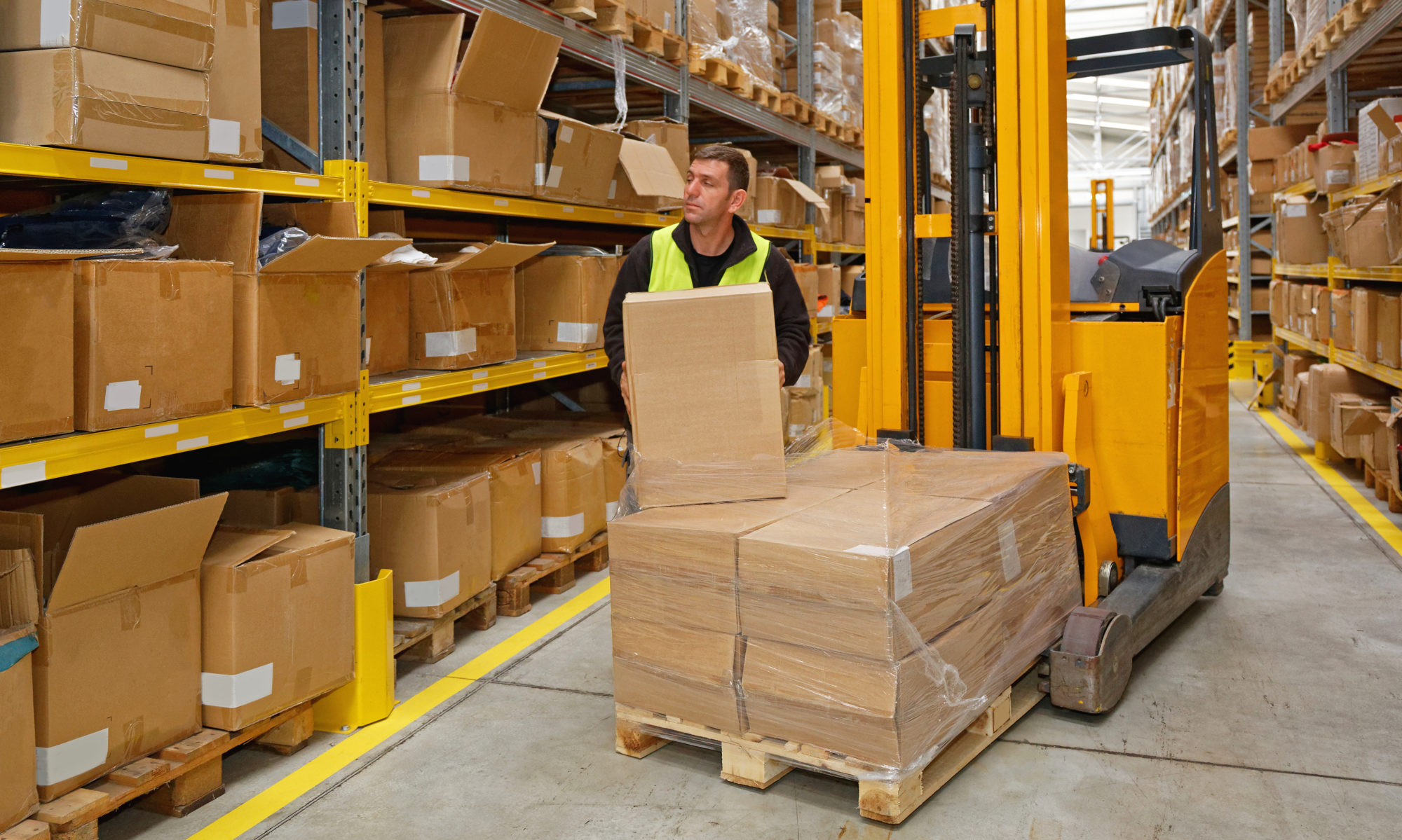
Free shipping is a great way to stay competitive and increase sales. Free shipping is also a good way to get rid of last year’s merchandise. However, to keep a healthy profit margin   it’s vital for retailers to partner with a savvy, experienced fulfillment service such as Medallion Fulfillment and Logistics to keep shipping costs low. A knowledgeable fulfillment company knows how to take care of a large increase in orders and can negotiate based on volume for the lowest packaging and shipping rate possible.

As you plan your virus pandemic selling strategy, consider that consumers have come to expect free shipping during the year and in the holiday season – free shipping can make or break your own promotion projections.

Don’t Let Your Business Suffer Due to Amazon’s Policies, You Have Options!

Learn About the Amazon Effect

We’re all about solutions here at Medallion Fulfillment & Logistics. The coronavirus pandemic demands that we think outside the box to keep businesses growing and homebound customers satisfied.

Amazon froze shipments from March 17th to April 5th, and now states the following on their website:

“While we will continue prioritizing the products we can receive beyond April 5, we are now able to broaden the list. Given our constrained capacity, we are doing this on an item-by-item basis. We have updated the Restock Inventory page and Restock report in Seller Central so you can check which products are eligible for shipment creation. We consider many factors when determining eligibility, including high-demand products customers need now; current inventory levels and inventory in transit; fulfillment center capacity; and our ability to adhere to the latest health guidelines.” Read the full article at Amazon Seller Central.

What we are hearing from Amazon sellers is that Amazon is restricting their incoming stock replenishment shipments. Interestingly, when you order Amazon products like the FireStick, as one of our team members did recently, there was no shipping delay for a purchase of Amazon’s branded products.

To solve “unfair practices” that Amazon is enforcing as policy, we have developed a special program called FBM (Fulfillment by Medallion). The FBM program allows you to ship product to both or either of our East Coast or West Coast warehouses, and gets you back shipping goods to customers the day after we receive your products. This redundancy with FBA lets you be proactive to the current business and virus situation. And, our FBM allows you to leverage sales to homebound workers; who may be shopping to pass the time, or who are buying items for family members to stay entertained with while home from school. With no shipping or stock restrictions, our program can get you back in business fast!

You can easily select to move to Fulfillment by Seller within Amazon Seller Central and not be held hostage or be affected by Amazon’s policies.

With a growing dissatisfied Amazon warehouse staff that has done a limited walkout and has expresses fears of contagion requiring management to provide temperature checks and masks in warehouses, FBA now seems a less stable option for businesses in the coronavirus era.

Here’s how our FBM (Fulfillment by Medallion) program works:

1. Ship your goods, or a selection of goods, to our East Coast or West Coast warehouses or to both.

2. Our special dedicated FBM On-Boarding Team fast tracks processing and works with you to implement your ordering and shipping fast. We can start shipping orders the day after we receive your products in our warehouse.

3. There are no long term contracts and you can even get a formal and affordable price quote today.

4. Get back in business – shipping to homebound and internet-connected potential customers in one day after receipt of your products in our facility. Don’t miss a beat and make your sales projections this quarter, even with communities and workers on lockdown.

After the threat is over, we think you’ll stay a Medallion FBM customer due to our affordable pricing and can-do attitude. Don’t let your business merchandise be held hostage by Amazon; you have an affordable option – FBM (Fulfillment by Medallion).

Give us a call today and let us show you how we can get you back in business fast.